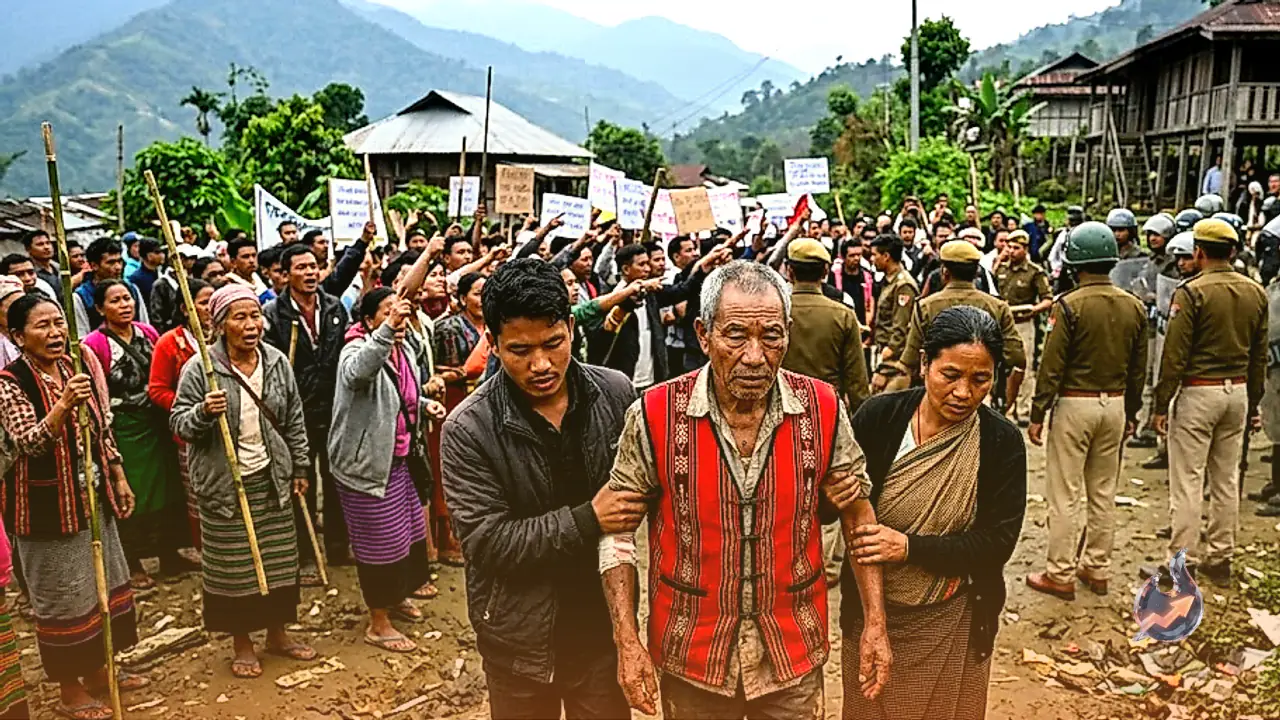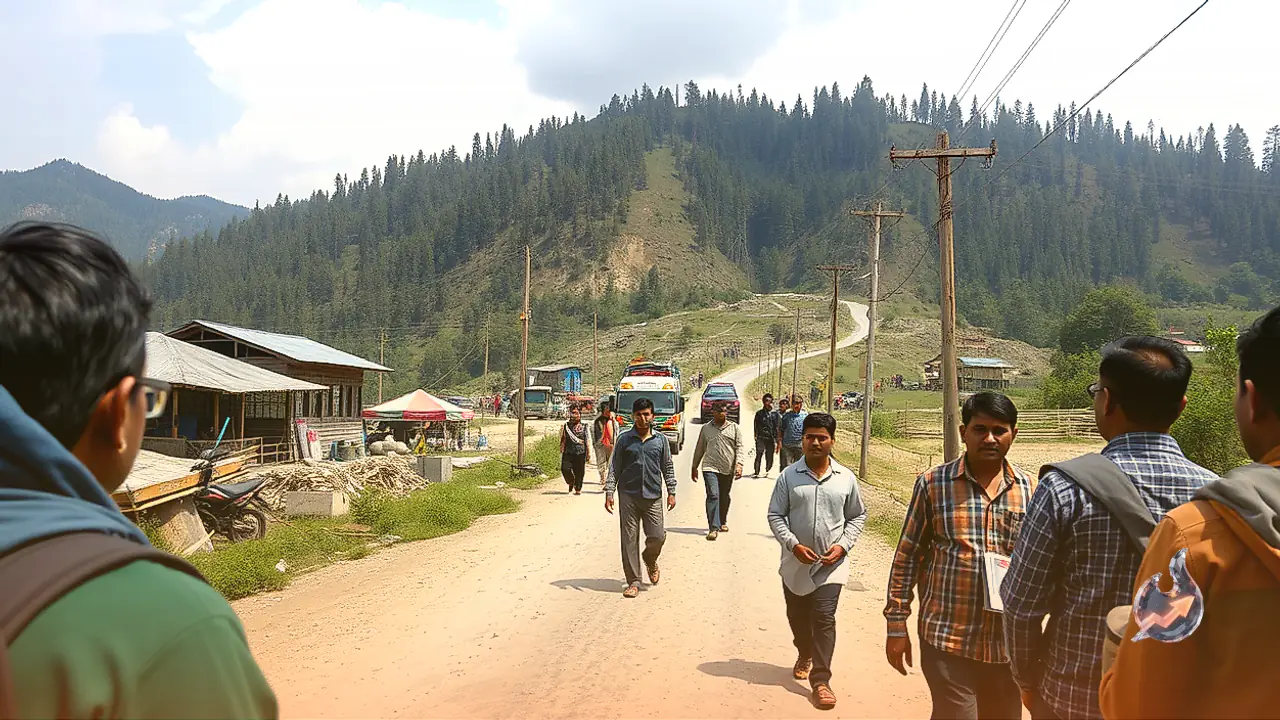





















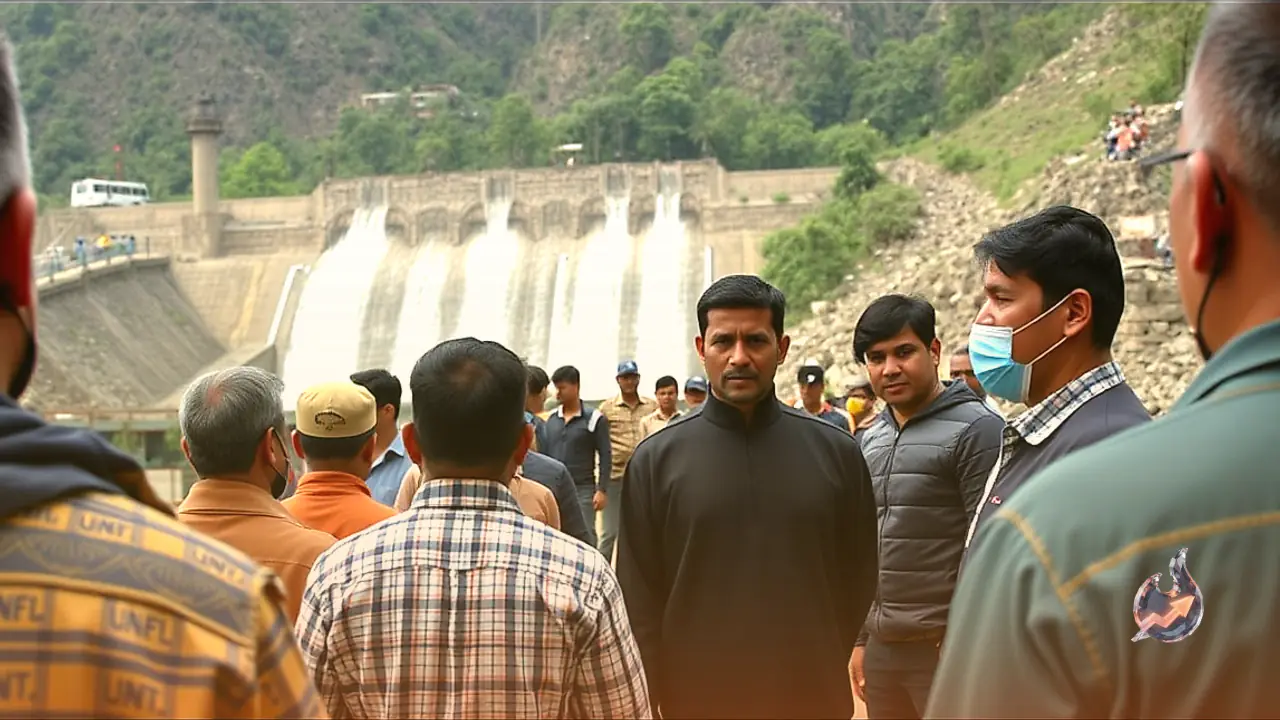

In an escalation of administrative measures surrounding anti-dam demonstrations in Arunachal Pradesh, authorities in Upper Siang district have clamped down on unrest by ordering the preventive detention of four individuals. The orders were issued under the provisions of the Arunachal Pradesh Unlawful Activities (Prevention) Act, 2014, with the local administration citing a surge in violence, property destruction, and public peril during demonstrations against the planned Siang Upper Multipurpose Project.
Detention Orders Issued Against Key Figures
Official communication from Upper Siang Deputy Commissioner Ashok Tajo confirmed that detention orders have targeted Adum Tayom from Kumku village, Omak Paron and Okut Paloh from Ramku village, and Oson Paron from Geku. The decision emerged alongside reports indicating that five anti-dam activists were taken into police custody in Pasighat, where fellow campaigners noted that the whereabouts of the detained individuals remained uncertain.
In a related police action in Boleng, two other activists identified as Tagar Taga and Tatin Tabin were arrested on Thursday. They were subsequently held at the Pangin Police Station. Police authorities confirmed that a formal FIR had been filed against the pair and that mandatory procedural steps, including notifying their families about the arrests, were carried out in full compliance with legal guidelines.
Four Months of Deteriorating Ground Realities
The administrative crackdown follows an extensive review of the security landscape across the region, which officials described as increasingly fragile and volatile over the past four months. The tension began intensifying alongside activities linked to the pre-feasibility report for the proposed mega hydropower project. According to officials, recurring clashes led to residential damage, destruction of private and civic infrastructure, and the torching of state government transport vehicles.
District authorities emphasized that organized acts of arson and unrest had heightened in recent weeks, paralyzing developmental works and creating widespread fear among local residents. Although multiple first information reports were filed at Yingkiong Police Station targeting individuals implicated in the disturbances, disruptive actions continued unabated. Emphasizing that opposing the infrastructure project and maintaining civic order are entirely distinct matters, the administration cautioned that violence under the banner of protest would face zero tolerance, urging community members to resolve disputes through constructive dialogue.
Indigenous Resistance and Official Clarifications
The punitive measures prompted sharp pushback from local groups representing the affected population. Siang Indigenous Farmers Forum spokesperson Tagori Mize voiced profound dismay over the administration's actions and openly challenged the handling of community resistance. Mize asked why members of the Adi community were facing arrests when the state Chief Minister had previously acknowledged them as innocent, adding that meaningful consultation cannot proceed while people voicing genuine apprehensions are being locked away.
The Siang Upper Multipurpose Project has been a focal point of intense resistance from local inhabitants, who continue to call for broader public consultations, absolute transparency, and comprehensive appraisals of potential social and ecological hazards. In response, the Khandu-led state government has repeatedly clarified that the ongoing pre-feasibility report is exclusively aimed at examining the viability of the venture and should not be construed as a final executive determination to proceed with construction.