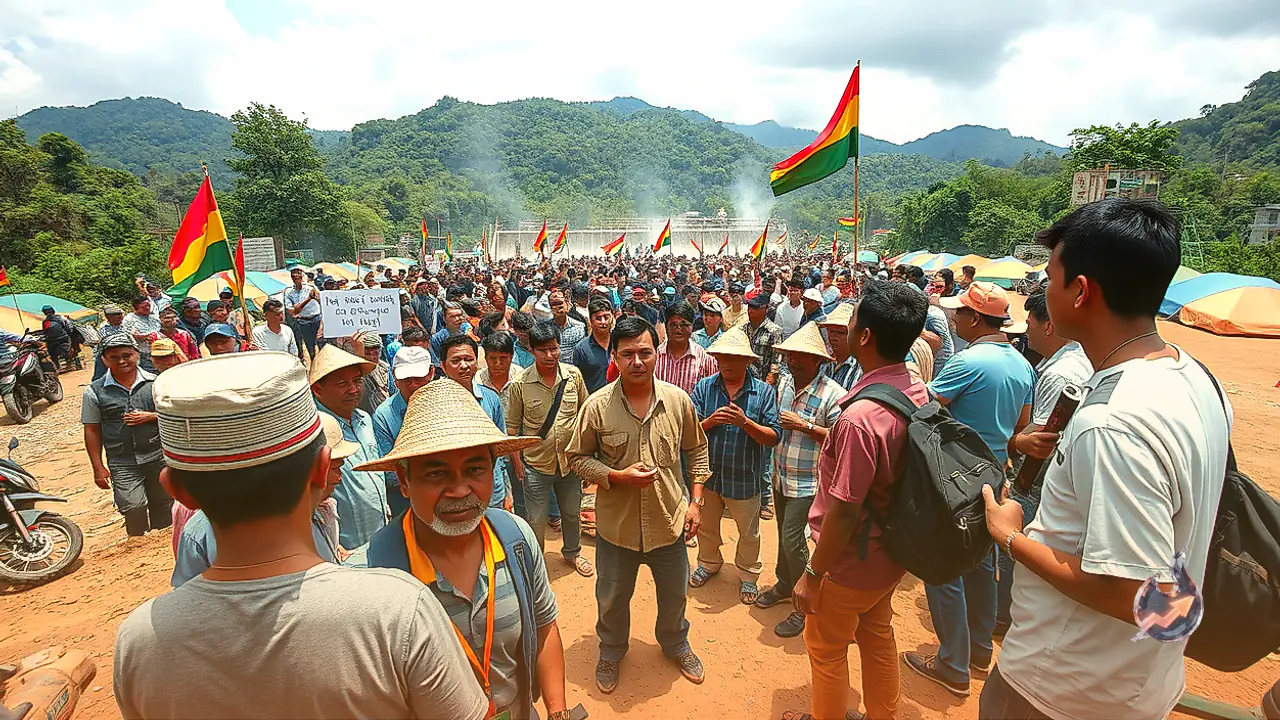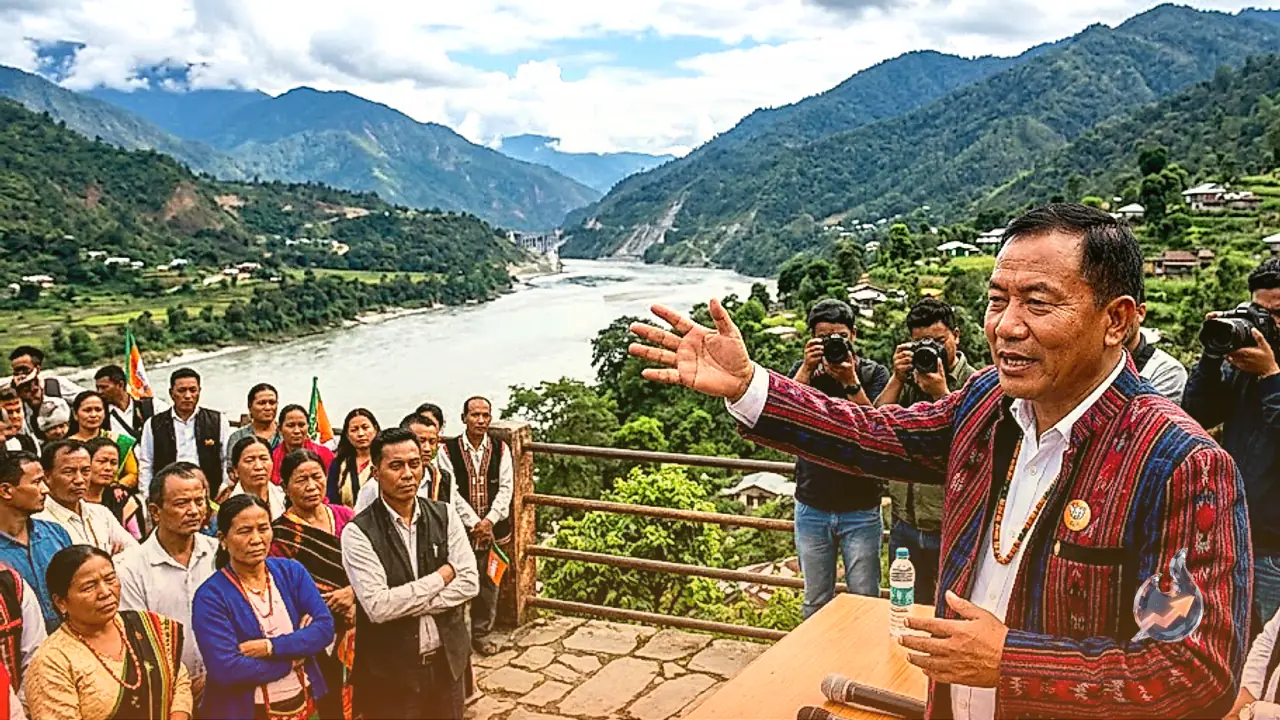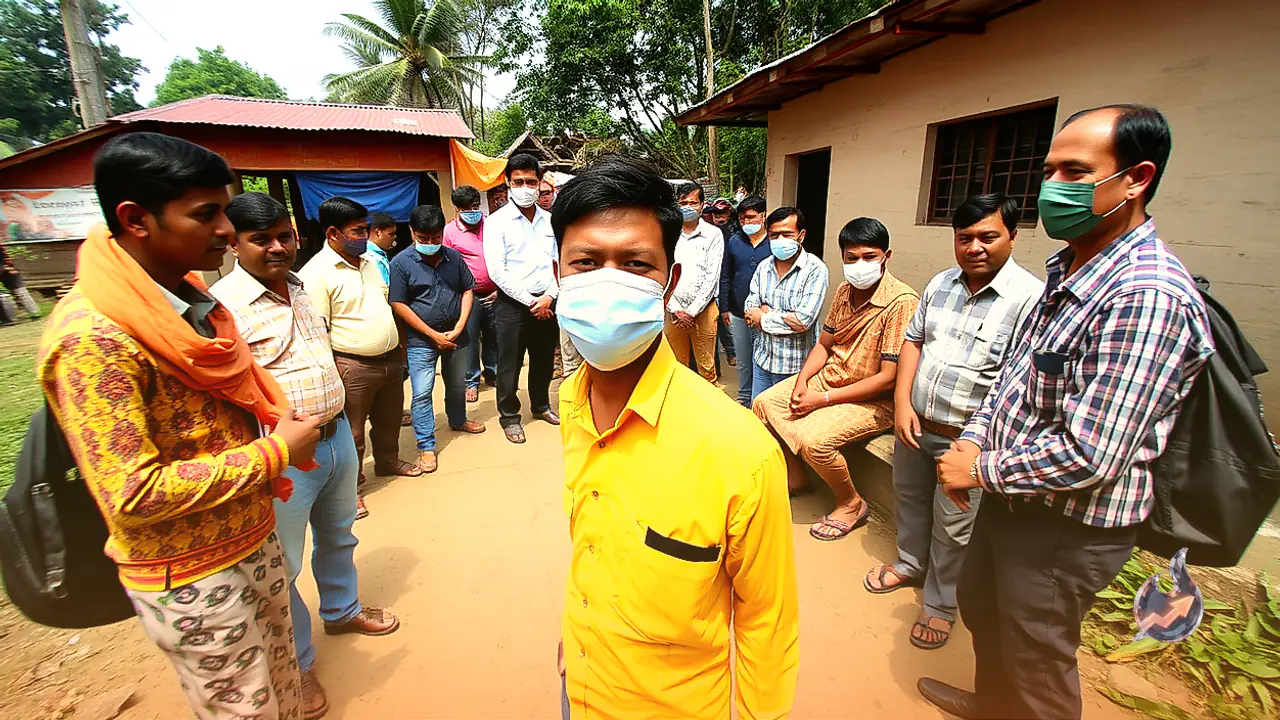



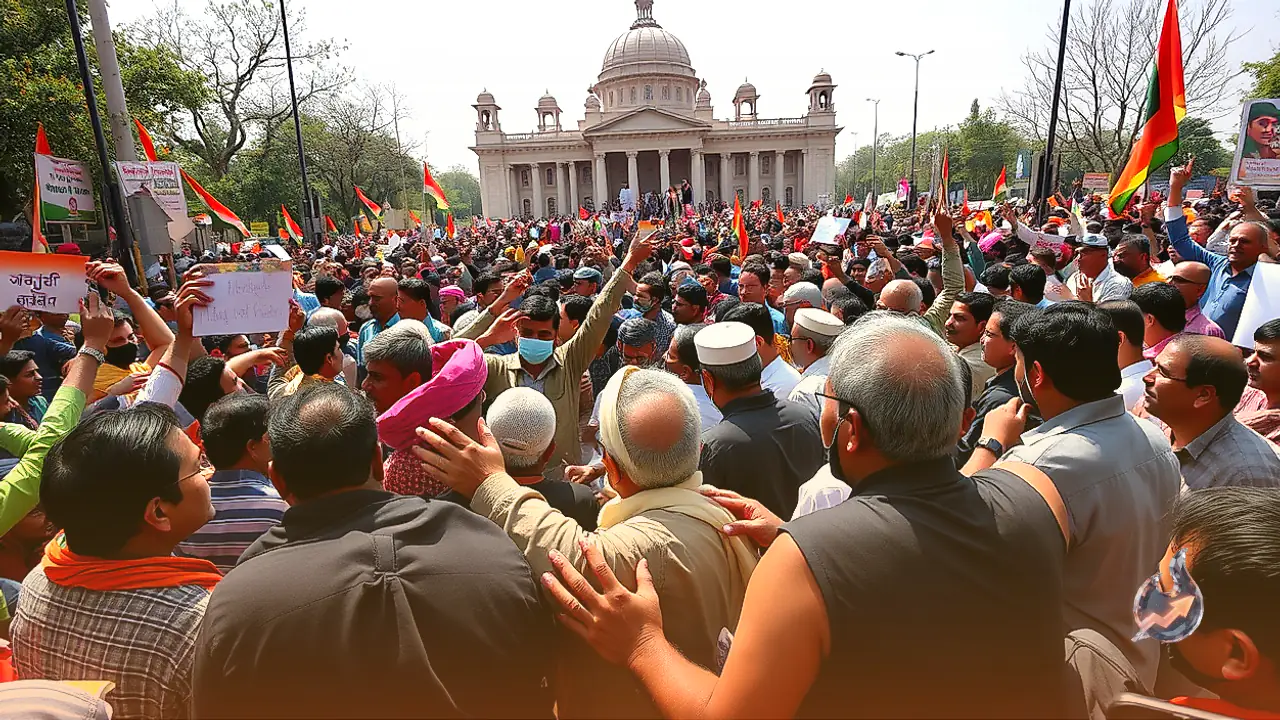

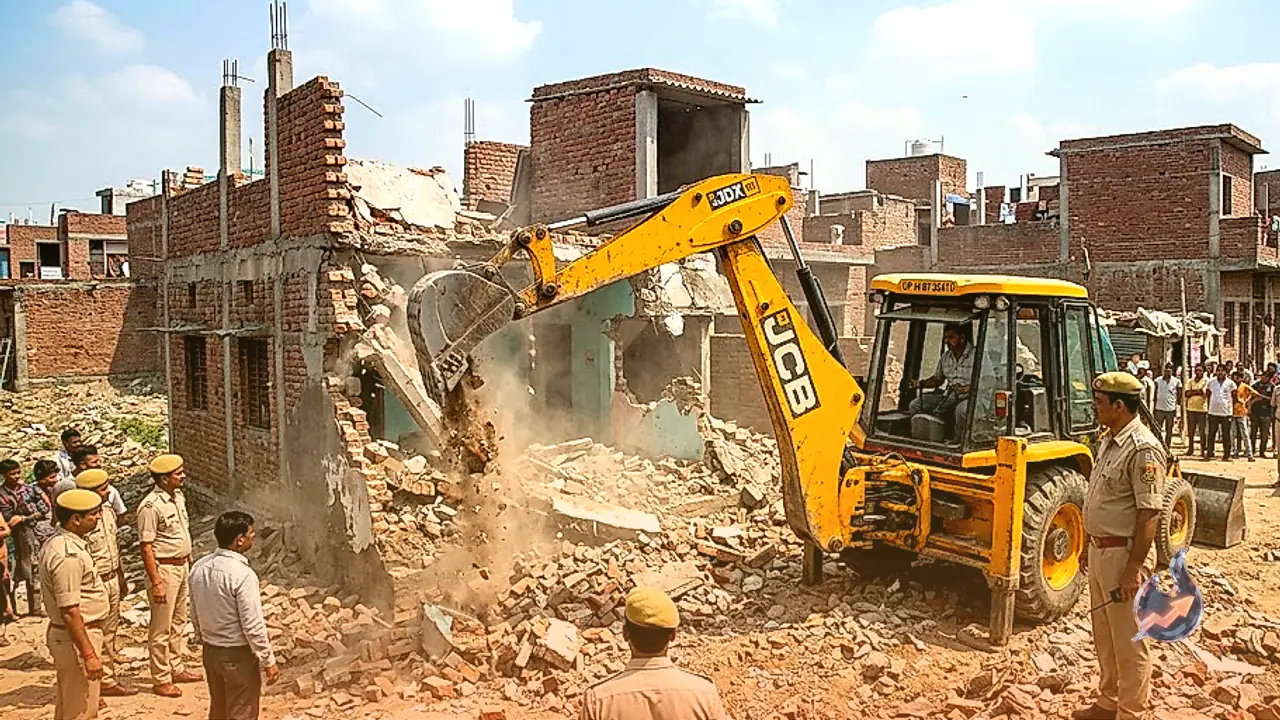















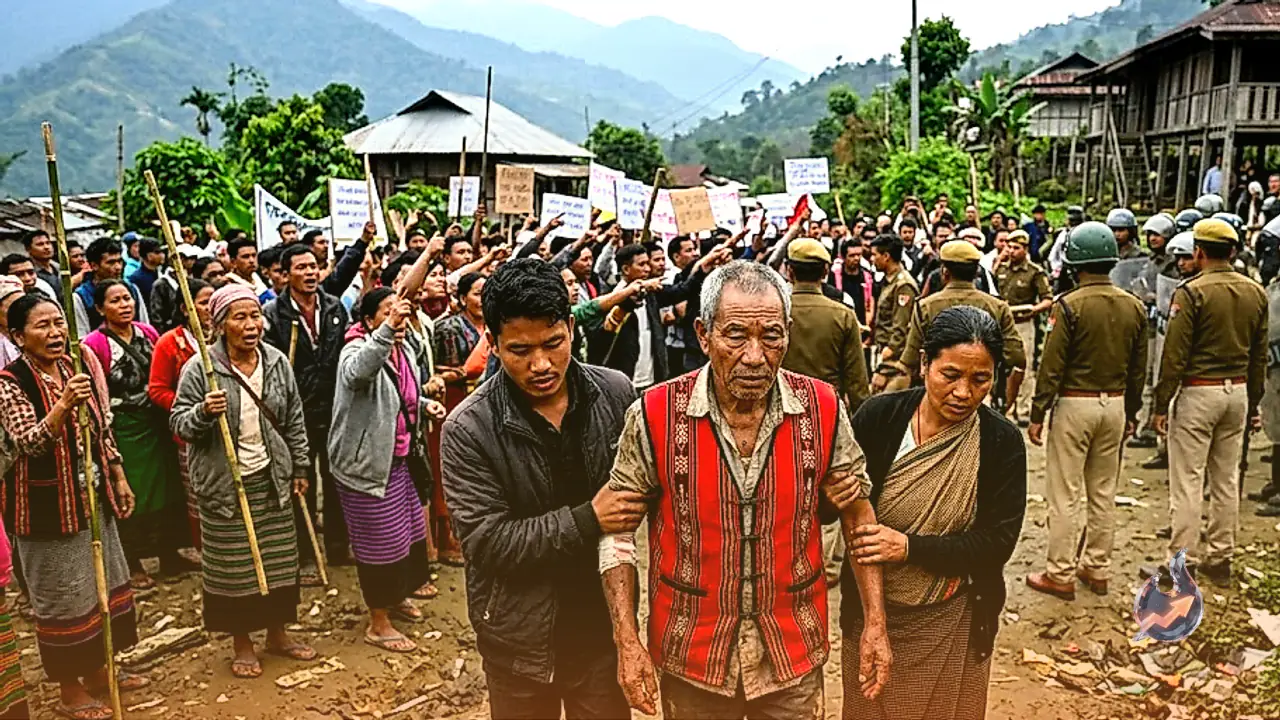

Tensions surrounding the proposed Siang Upper Multipurpose Project in Arunachal Pradesh have intensified following clashes during local survey exercises. The Siang Indigenous Farmers Forum, which has been spearheading the demonstrations against the mega dam, stated on Tuesday that 67 villagers sustained injuries during confrontations on October 4. This statement follows earlier official reports indicating that eight police personnel were injured and five individuals, including two women, were taken into custody. Official confirmation or comments from the administration regarding the forum's figures are currently awaited.
Breakdown of Casualties and Property Damage Across Villages
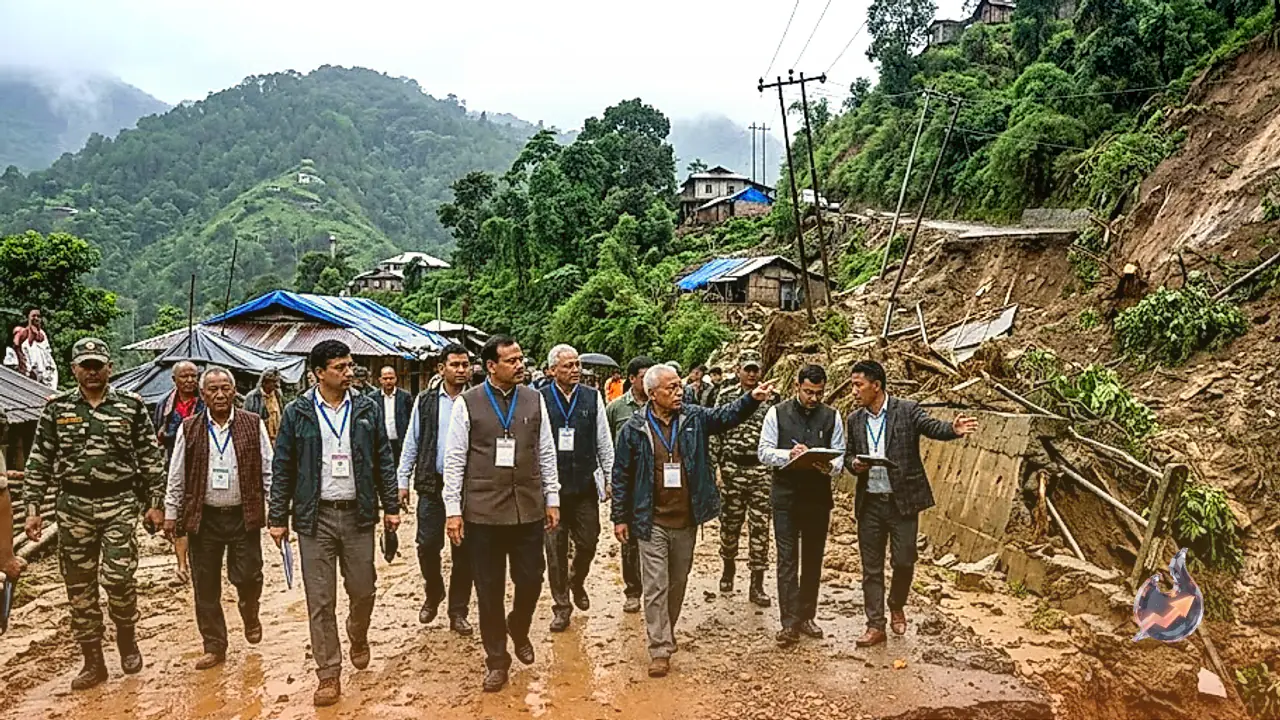
Providing details on the extent of the harm, Likeng Libang, general secretary of the farmers forum, outlined that 31 out of the 67 injured suffered serious trauma, while 36 sustained minor wounds. Geographically, the organization reported that 52 demonstrators were hurt in Riga, whereas 15 others were injured in Pangkang. Alongside the physical harm to individuals, the forum alleged that eight vehicles belonging to families impacted by the proposed venture were damaged, with four vehicles affected in Riga and four in Pangkang.
Furthermore, the forum highlighted another confrontation near the Siang Bridge at Dite Dime, which reportedly left seven individuals from Riew and Begging villages hurt. Among those seven, five residents were from Riew and two from Begging. One person from this encounter sustained grave injuries, while the remaining six suffered minor harm during the incident.
The 11,000 MW Initiative and Regional Discontent
The unrest centers on widespread resistance by native communities to the Preliminary Feasibility Report activities underway for the 11,000-MW initiative on the Siang River. Local populations directly affected by the planned infrastructure have demanded an immediate cessation of all survey operations and related fieldwork. Opposition throughout the Siang valley has remained consistent, with residents raising pressing concerns over the loss of ancestral land, threats to traditional livelihoods, forced displacement, ecological consequences, and the unpredictable effects of large-scale river water diversion.
Government Stance and Future Procedural Steps
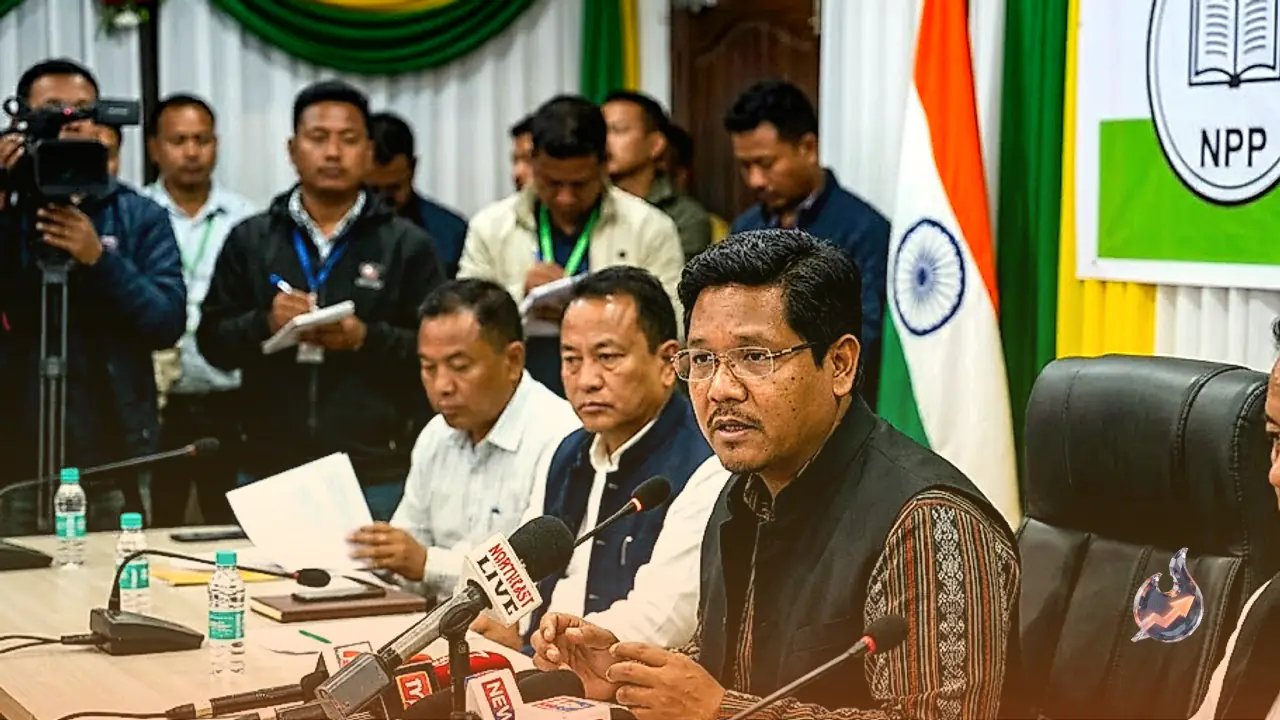
Addressing the ongoing public unease, the state administration maintains that the ongoing Preliminary Feasibility Report is strictly an initial technical evaluation to examine project viability, rather than an authorized sign-off on actual dam construction. Chief Minister Pema Khandu has stated that no definitive move toward physical construction will take place until comprehensive technical assessments, statutory public consultations, and mandatory legal procedures are completely finalized. However, regional groups continue to demand a complete pause until their apprehensions are formally resolved.