
























Rugged mountain terrains near the Indo-China frontier in Arunachal Pradesh provide a resilient sanctuary for diverse wild pollinators, according to comprehensive field research conducted across Tawang district. High-altitude environments situated far above normal forest growth sustain active populations of bumblebees and wild bees, demonstrating an intricate dependence on specialized flowering plants that bloom across extreme Himalayan slopes.
Extensive High-Altitude Expedition
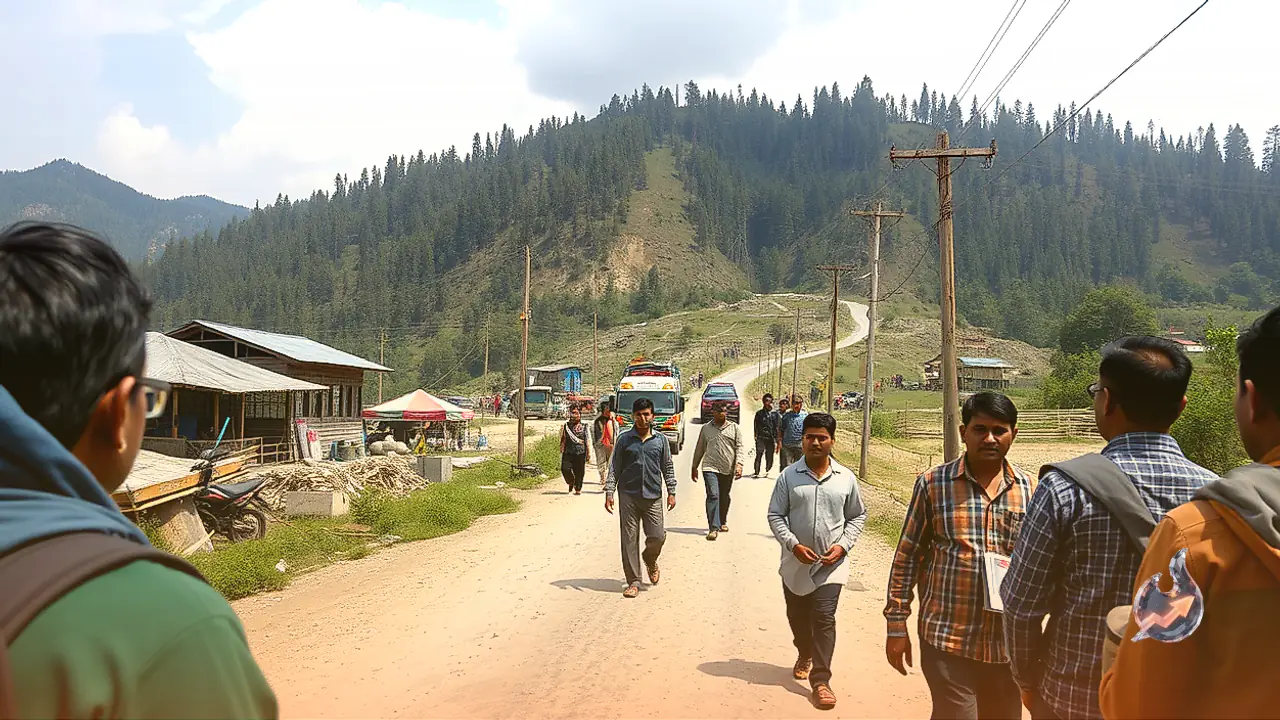
The field assessment was carried out under the National Mission on Himalayan Studies between September 15 and October 7. Fieldwork spanned steep elevations ranging from 2,000 metres up to 4,700 metres above sea level. Field personnel gathered ecological data at several prominent border passes and remote landmarks, including Sela Pass, Bumla Pass, Nagula, Sangetsar Tso, Chumi Gyatse Falls, and Jang. Scientists from the Desert Regional Centre of the Zoological Survey of India, based in Jodhpur, led the study under Research Associate Purnima Pathak, with assistance from Project Assistant Habung Elsa.
Classification of Pollinators and Alpine Flora
Researchers catalogued specimens spanning four distinct taxonomic families: Apidae, Megachilidae, Andrenidae, and Halictidae. Detailed focus was directed at wild bumblebees alongside the wild alpine plants providing essential pollen and nectar. These specialized wildflowers grow naturally in harsh climatic regimes located above the timberline.
Key nutritional sources identified during the survey included Cirsium plant species, Rose Carpet Knotweed (Bistorta vacciniifolia), commonly known among local residents as Petma Mento, and Cicerbita alpina. Bumblebees frequented these blossoms consistently throughout daylight hours. Given the brief window of floral blossoming in Tawang, insects require uninterrupted access to diverse plant taxa across short summer periods. Beyond wild mountain slopes, village kitchen gardens, terraced farm patches, and domestic flowers adjacent to human dwellings supplemented available nectar reserves.
Ecological Pressures and Habitat Conservation
Shifting climatic patterns, vegetation transitions, and disturbances across high-elevation landscapes pose significant risks to seasonal flower synchronization, threatening the food security of mountain pollinators. Researchers emphasized that conservation frameworks must defend entire alpine floral communities rather than isolating insect protections alone. The recorded data provides an empirical foundation to track future plant-pollinator dynamics, support geographic habitat cartography, and direct conservation strategies across the Eastern Himalayan belt.