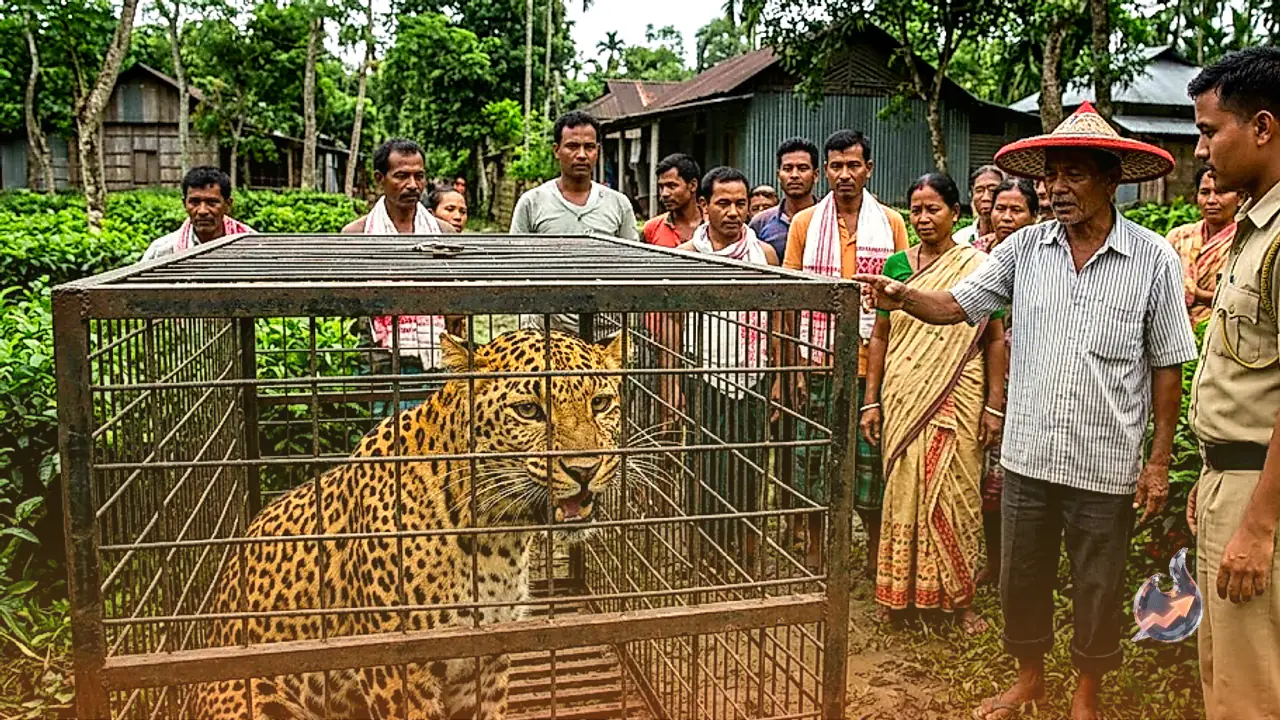
























The Centre for Wildlife Rehabilitation and Conservation, which serves as Assam's pioneering facility for rescuing, treating, and rehabilitating wild animals, has officially marked 25 years of dedicated service. Officials reported on Sunday that the institution has successfully rescued more than 10,000 wild animals throughout this extensive operational history. Situated at Panbari near the Kaziranga National Park and Tiger Reserve, the establishment was founded on August 28, 2002. Its primary objective has always been to deliver specialised medical care to injured, orphaned, and displaced wildlife before eventually returning them safely to their natural habitats.
Collaborative Framework and Official Recognition
The facility operates as a collaborative initiative involving the Wildlife Trust of India, the International Fund for Animal Welfare, and the Assam Forest Department, alongside essential backing from the Animal Welfare Division of the Centre. Furthermore, the establishment holds official recognition from the Central Zoo Authority. Ever since its inception, the institution and its allied Mobile Veterinary Service units have managed over 10,000 distinct wildlife rescue cases. Statistics show that nearly 68 percent of these animals received successful medical treatment and were subsequently released back into the wild.
Leadership Remarks and Species Diversity
Assam's Forest and Climate Change Minister Jayanta Malla Baruah noted that the 25th anniversary of the facility represents a remarkable milestone in the regional conservation journey. He emphasised that the centre has consistently provided injured, orphaned, and displaced wild animals with a second chance at survival over the years. Operating teams have successfully rescued and rehabilitated a diverse spectrum of species, including rhino calves, Asiatic black bear cubs, hoolock gibbons, and wild buffalo. Arriving animals undergo rigorous medical treatment and, whenever deemed necessary, are hand-raised by experts until they are fully prepared for release into appropriate environments.
Flood Operations and Community Engagement
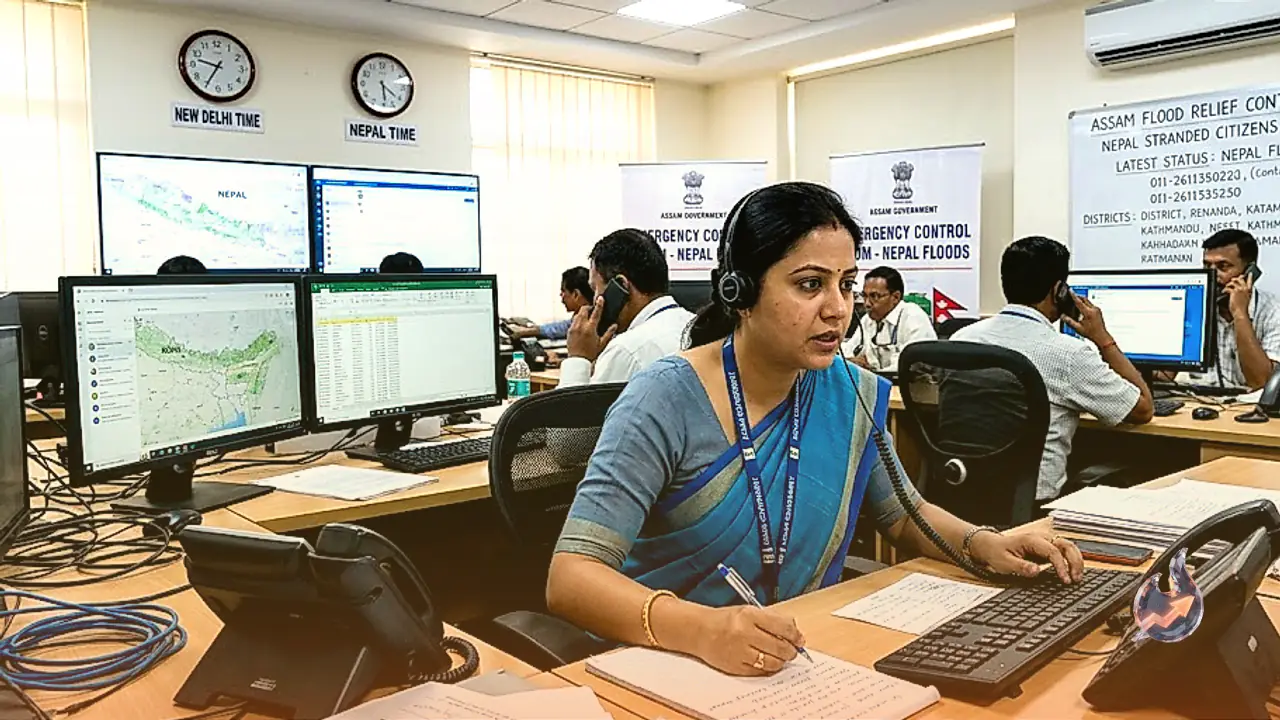
Supported by two dedicated Mobile Veterinary Service units, the operational reach of the organisation extends widely across both eastern and western Assam. They deliver urgent veterinary intervention, hand-raise vulnerable young animals when circumstances require, and prepare fit individuals for release using scientifically established protocols. Flood-related rescue operations remain a critical component of their duties. During severe seasonal flooding, personnel coordinate closely with the Forest Department to retrieve stranded, injured, or displaced fauna. They administer immediate aid and make concerted efforts to reunite separated offspring with their mothers whenever feasible. In addition to direct rescue work, the facility actively interacts with local communities through structured outreach programs designed to mitigate human-animal conflict and encourage public participation in environmental preservation.