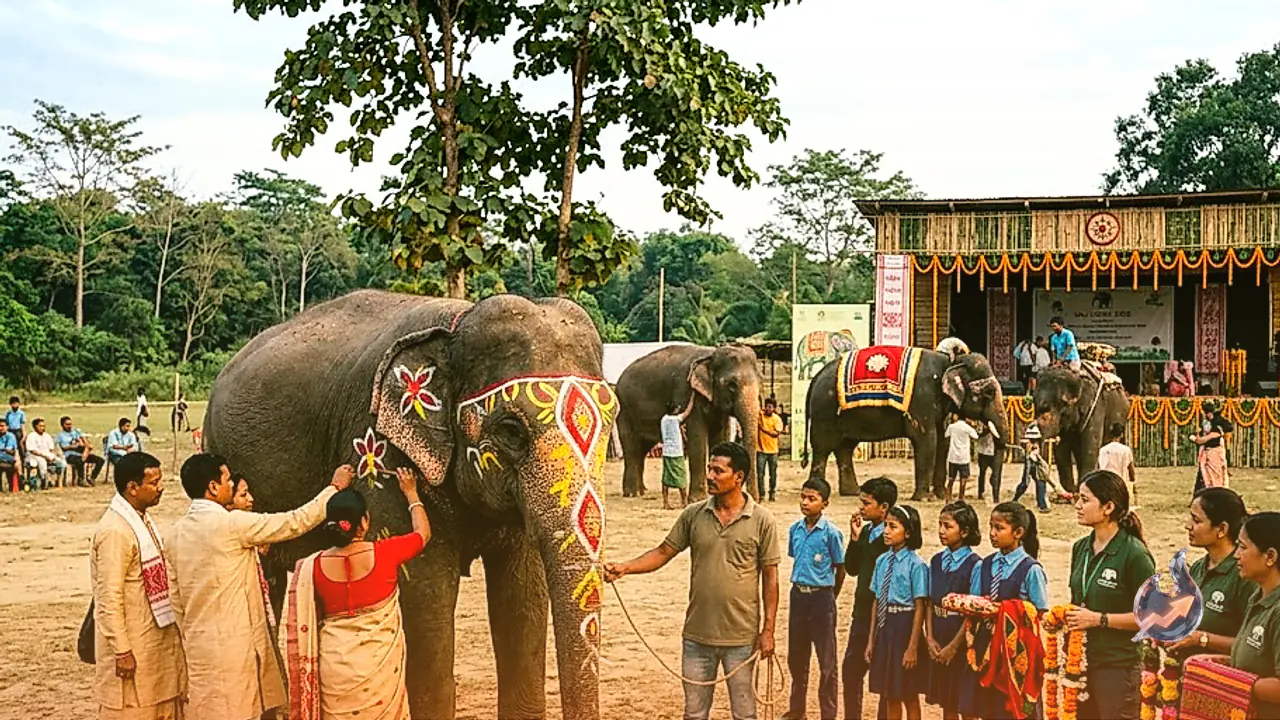



















The Assam Forest Department has rolled out a dedicated nature-based educational initiative at Nameri Tiger Reserve to give young learners direct, experiential exposure to wildlife, biodiversity, and ecological preservation. Announcing the rollout on Sunday, Forest and Climate Change Minister Jayanta Malla Baruah stated that the project seeks to take students beyond conventional classroom walls and embed them directly inside a thriving forest ecosystem.
Residential Environmental Camps for School and College Students
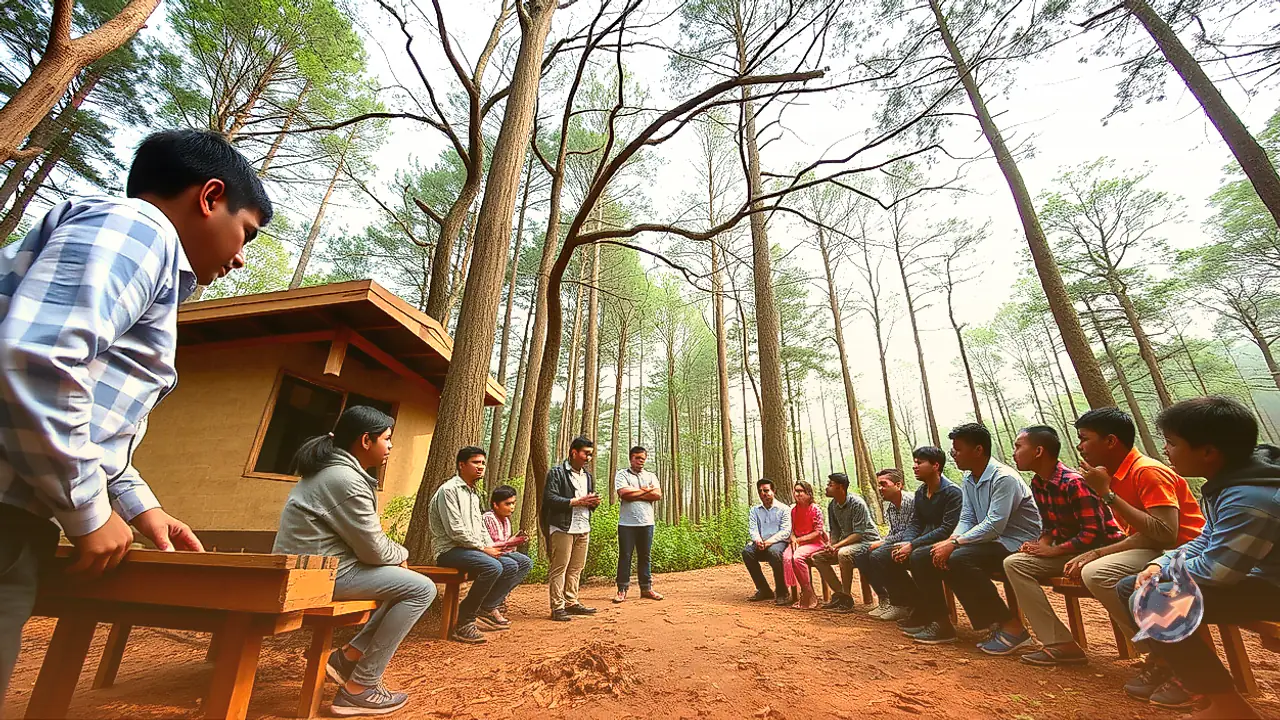
Operated under the banner of 'Nameri Wild Classroom', the initiative welcomes participants enrolled in Class 8 and above, extending all the way to university and college students. The program runs structured residential learning camps spanning two or three days on site at Nameri Tiger Reserve. According to Baruah, this effort mirrors the state administration's commitment to nurturing a new generation that genuinely values the rich natural heritage of Assam and actively participates in safeguarding it for the future.
Forest Tracking, Birdwatching, and Jia-Bharali River Rafting
Throughout the multi-day immersion, students take part in carefully designed fieldwork intended to deepen ecological comprehension through unmediated contact with nature. Key activities include guided birdwatching expeditions, structured forest walks, wildlife tracking, and specialized interactive modules covering river ecology. Participants will also take part in river rafting on the Jia-Bharali River while learning about the time-tested traditional ecological knowledge and practices preserved by local communities dwelling in the fringe landscape.
Field Journals and Certification by Naturalists
Sessions and expeditions will be led by seasoned naturalists alongside trained forest personnel, who will unpack the complex relationships linking forests, river systems, wild fauna, and human settlements. To solidify their experiential learning, students will maintain field journals to record observations, field data, and personal reflections during their stay. Each participant will be presented with a formal certificate upon completing the curriculum.
Fostering Conservation Careers and Ecological Awareness
Describing forests as organic open-air classrooms, Baruah observed that wilderness environments offer profound lessons that traditional academic textbooks simply cannot deliver. Facilitating close encounters with wildlife and undisturbed landscapes stimulates curiosity, sharpens scientific thinking, builds environmental responsibility, and plants a lasting appreciation for biodiversity. He noted that Nameri Tiger Reserve provides an ideal natural setting for experiential study, which may well inspire students to pursue professional paths in wildlife research, ecology, and habitat conservation. The minister reiterated that active hands-on engagement remains indispensable for meaningful conservation, noting that youth who witness nature up close naturally evolve into responsible stewards of the natural world.