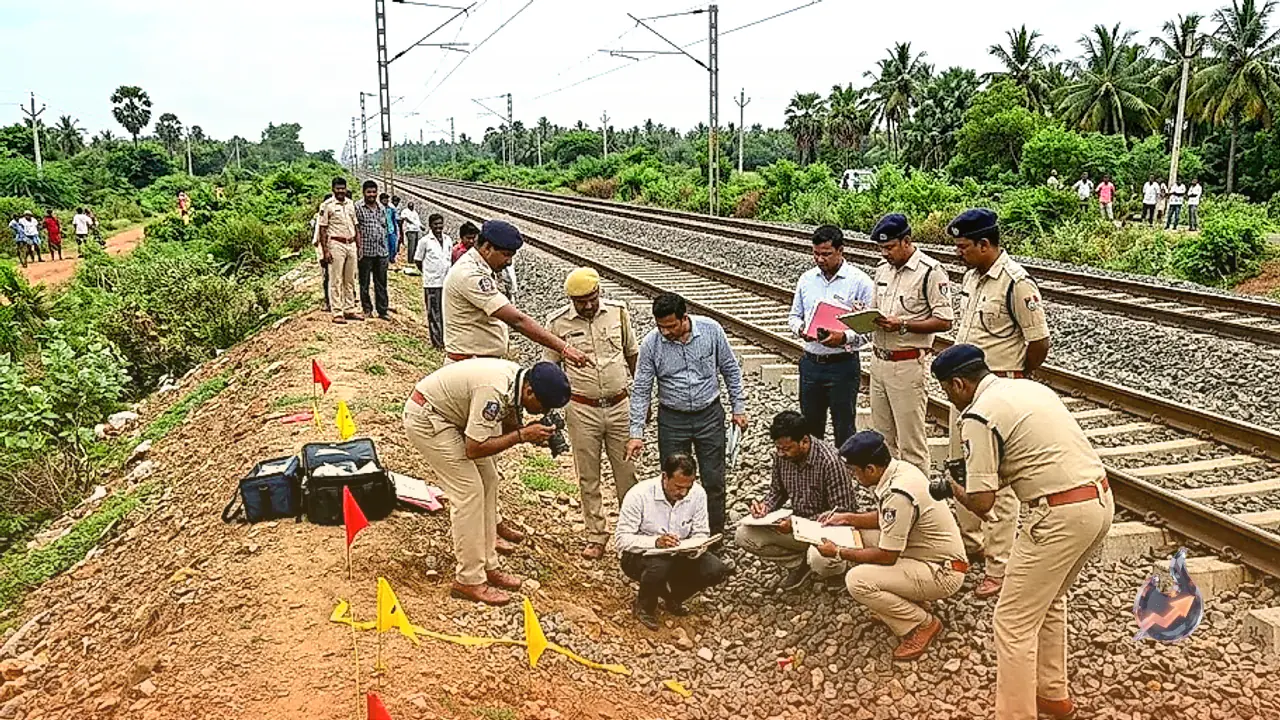
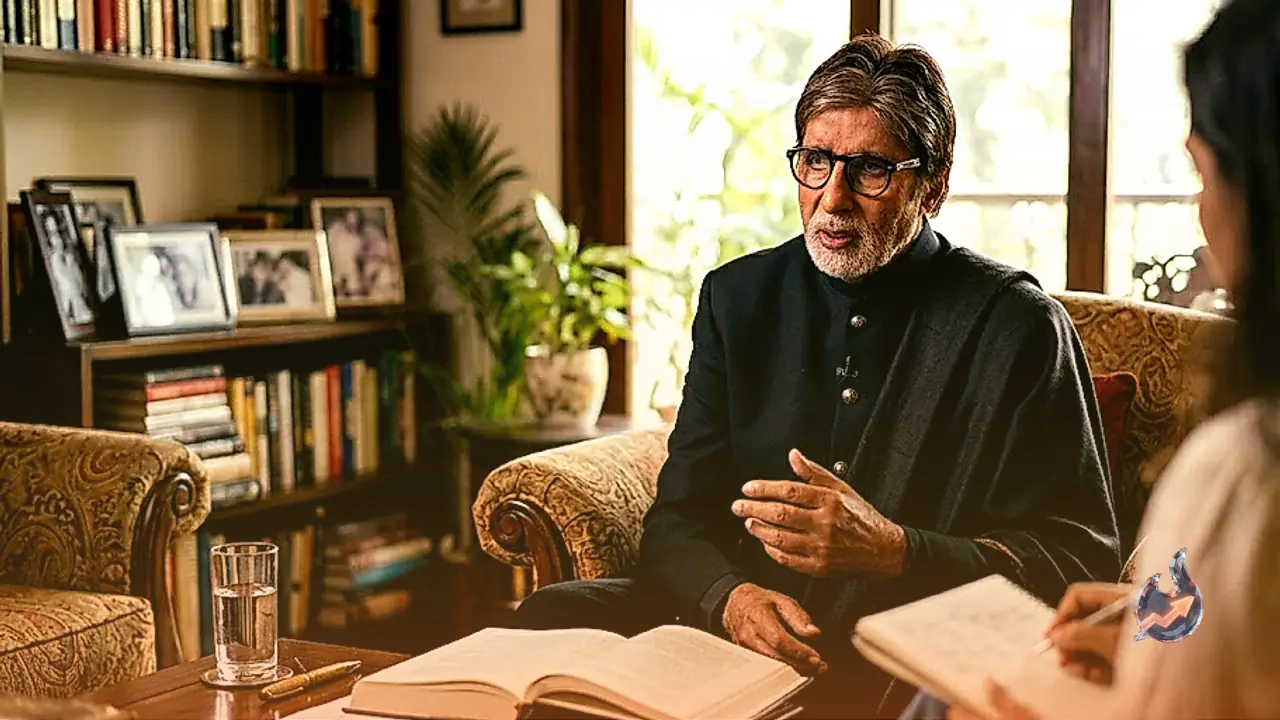
















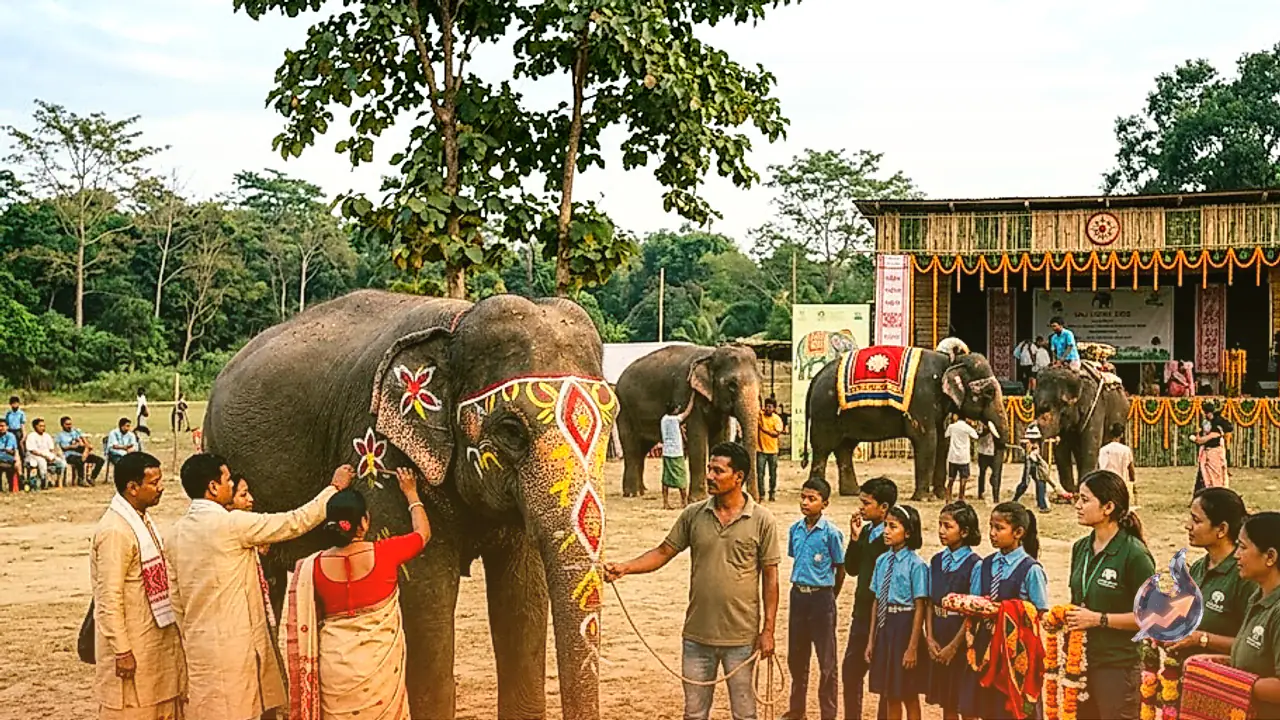

Guwahati is set to host Gaj Utsav 2026 on November 12 and 13, organizing a two-day collaborative convention centered on elephant welfare, human-wildlife harmony, and the heritage associated with these gentle giants. The multi-tiered event brings together wildlife biologists, cultural stalwarts, rural community members, and young students to discuss landscape-sharing approaches and the cultural legacy of elephants.
Schedule and Venues Across Guwahati and Nagaon
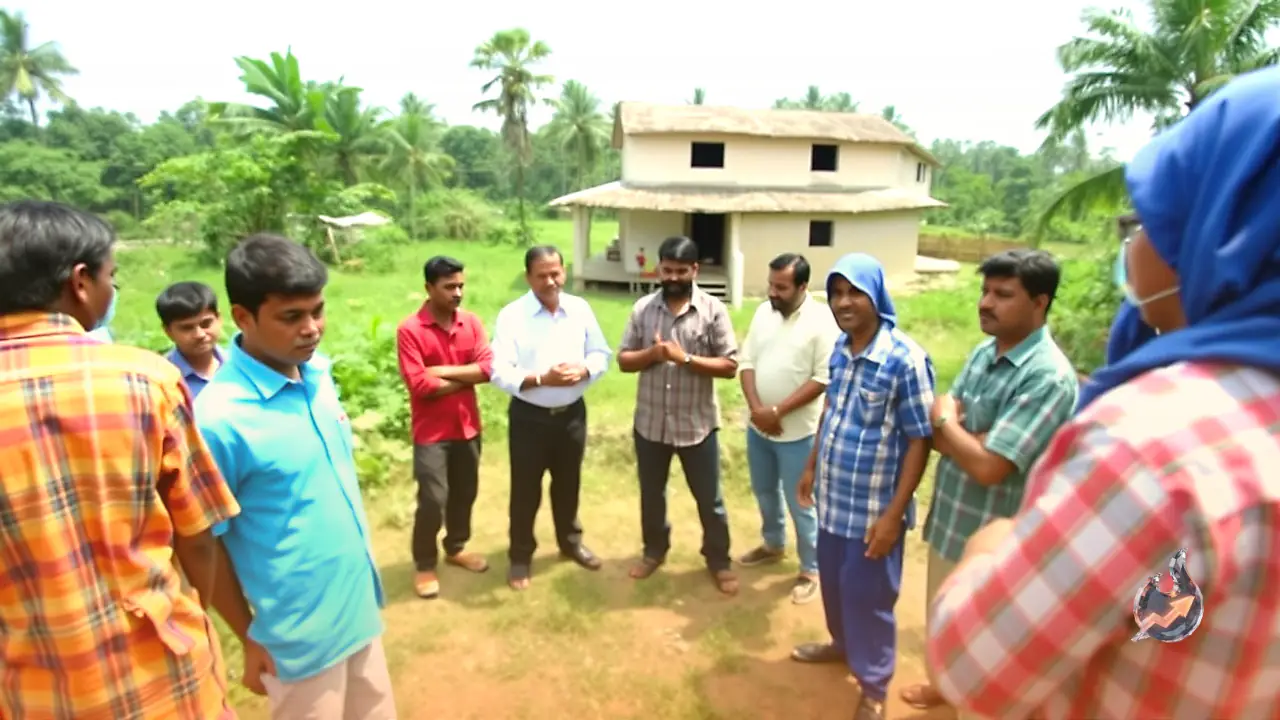
The program will span two distinctive locations across the state. Activities on November 12 will kick off at 9:30 am inside the Faculty Complex in North Guwahati. On the following day, November 13, proceedings will transition to the Hati Bondhu Activity Area in Nagaon, commencing early at 8 am. The gathering is being jointly steered by the Wildlife Trust of India’s Hati Bondhu Assam along with the Assam Chapter of the Indian National Trust for Art and Cultural Heritage, commonly known as INTACH.
Opening Deliberations, Guests, and Honoring Train Drivers
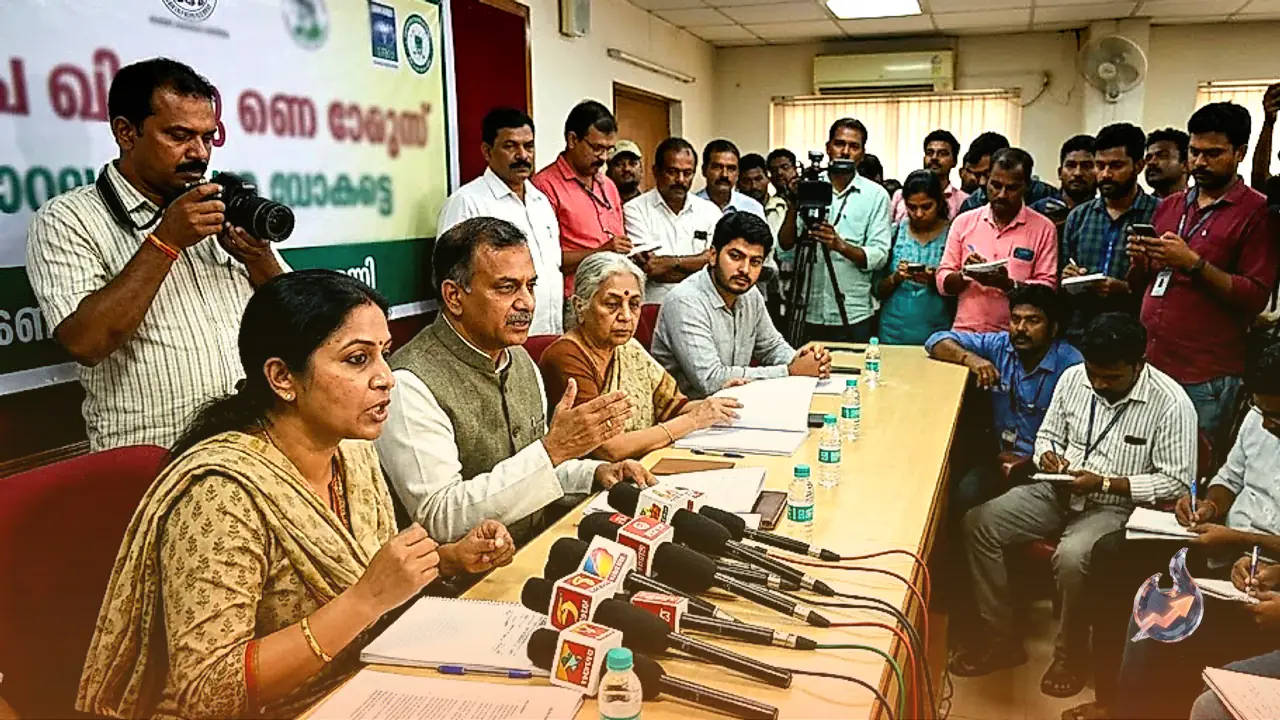
The first day opens with a welcome address delivered by Dr Shiela Bora, followed by an overarching introduction to Gaj Utsav by INTACH Director Nerupama Modwell. Remarks from Sandeep Tiwari, chief of conservation at the Wildlife Trust of India, will establish the ecological urgency of the talks. Pradip Bhuyan, president, and Roon Bhuyan, vice-president of Hati Bondhu Assam, are slated to detail their grassroots efforts.
Attendees will also witness an interactive podcast conversation featuring Padma Shri recipient Parbati Barua, accompanied by environmental awareness exercises for local school students. Sahitya Akademi award-winning author Anuradha Sarma Pujari will join the convention as the guest of honour, while the Assam Forest Minister is scheduled to provide the chief guest address. In addition, an official felicitation ceremony will acknowledge locomotive pilots who have actively mitigated train-collision risks to protect wild elephants.
Four Structured Panel Tracks and Public Exchange
The convention itinerary includes four core panel discussions exploring diverse facets of the elephant-human dynamic. The inaugural panel addresses elephants in cultural identity, memory, and traditional folklore. The second topic explores the physical imperatives of sharing open landscapes and creating safe passage zones for both wandering herds and village residents. The third session centers on community-led conflict mitigation strategies, while the final panel examines wildlife protection legislation and broader public accountability.
An open audience engagement segment will allow general attendees to raise questions and offer grassroots viewpoints before the session draws to a close. Rathin Barman, Northeast head of the Wildlife Trust of India, will present the concluding address followed by an official vote of thanks, before field activities resume on November 13 in Nagaon at 8 am.