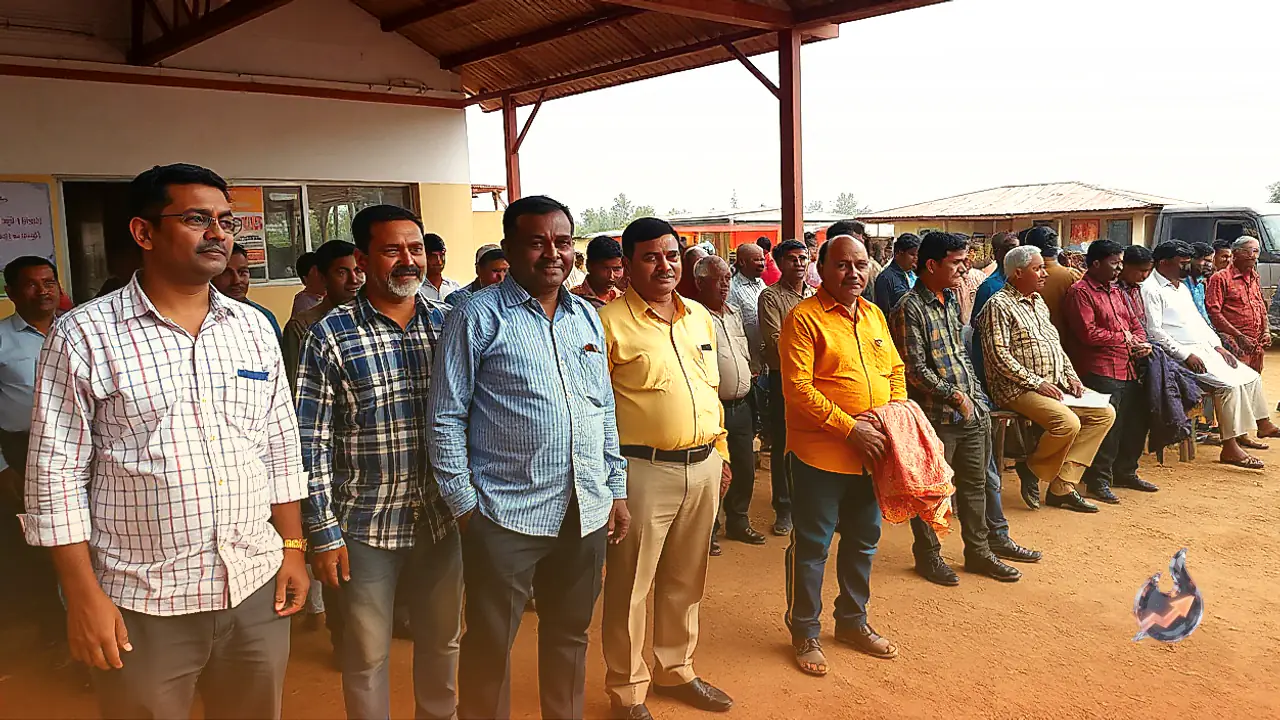


















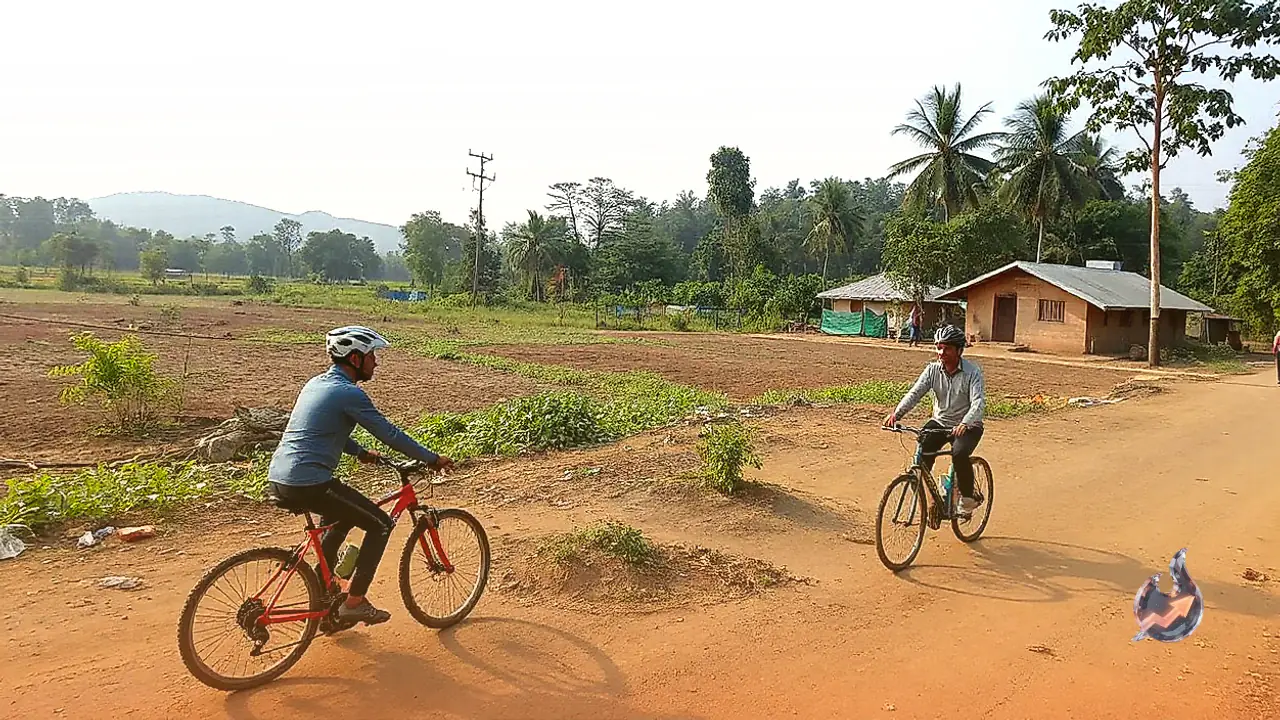

Barekuri village located in Assam's Tinsukia district observed World Hoolock Gibbon Day by hosting a cycling event to raise awareness regarding the protection of India's sole native ape species and the defense of its vulnerable natural habitat. The gathering emphasized grassroots environmental stewardship and community engagement.
Community Leadership and Women's Participation
The program was jointly arranged by the Barekuri Environment-Tourism Development Society alongside the Barekuri Hoolock Gibbon Conservation Society. Organizers aimed to drive wildlife preservation through active public involvement, placing a distinct emphasis on encouraging women to step forward into environmental leadership. Festivities opened with direct gibbon observation sessions, which transitioned into a competitive cycling race designed specifically for women aged 20 and above. The broader scope of the initiative sought to expand eco-tourism and build public investment in regional fauna protection.
The Bond Between Villagers and Primates
Situated roughly 16 km away from Tinsukia town, Barekuri is celebrated for the remarkable harmony maintained between local human residents and wild primates. Approximately 20 to 21 Western hoolock gibbons distributed across five distinct family groups make their homes among village backyard fruit trees and bamboo thickets. This unusual coexistence underlines how local awareness and community action can successfully shield vulnerable wildlife populations and sustain their native ecosystems.
Environmental Pressures and Mitigation Strategies
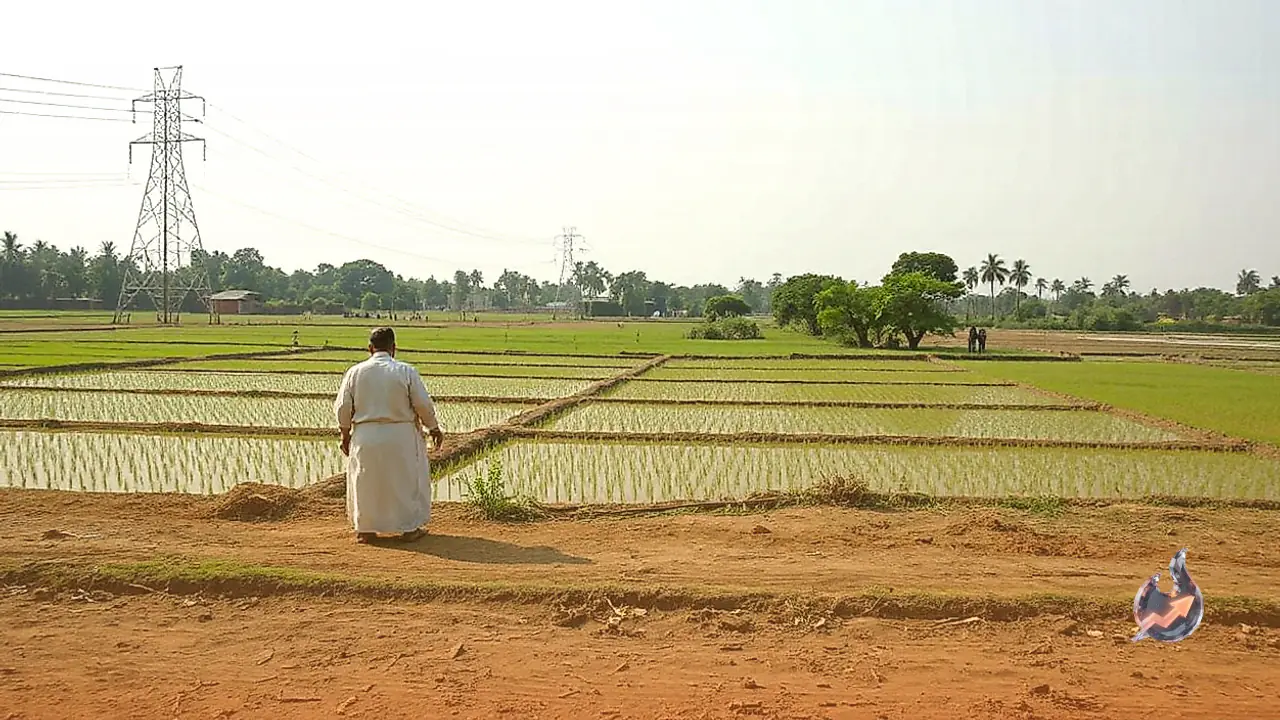
Despite these protective community bonds, ongoing challenges such as habitat fragmentation, accidental electrocution hazards, and food shortages continue to threaten the species. Current conservation strategies deployed across the area involve planting thousands of fruit-bearing trees, insulating local power transmission lines, and mapping out a green corridor designed to bridge Barekuri with the Bherjan-Borajan-Padumoni Wildlife Sanctuary. These coordinated undertakings aim to enhance habitat connectivity, secure reliable food sources, and ensure the extended survival of the gibbon population.
Official Recognition and Leadership Insights
Marking the occasion, Assam Chief Minister Himanta Biswa Sarma drew public attention to the vital role the Western hoolock gibbon plays within the regional natural landscape. Noting the milestone on digital media, the chief minister remarked on the singular position held by the native ape. Writing on X, the chief minister reflected on observing a gibbon safely utilizing a canopy bridge built over a railway track at Hollongapar.
A Shared Vision for Coexistence
The chief minister emphasized that scientific interventions combined with the deep cultural bond shared between local citizens and the primates create an exceptional framework for conservation. Every incremental stride taken toward harmony brings the region closer to an era where human communities and native wildlife flourish side by side. Through the integration of community awareness, female empowerment, and nature tourism, Barekuri remains a beacon for human-wildlife coexistence.