























The northeastern state of Assam is currently confronting a catastrophic natural disaster as relentless flooding submerges vast tracts of land. A sudden and severe escalation in water levels has created a massive humanitarian crisis across the region, severely disrupting daily life and leaving hundreds of thousands of residents struggling to cope with the devastating aftermath of the deluge. The scale of the destruction is vast, with families losing their homes, livelihoods, and access to basic necessities in a matter of hours.
Home Minister Assures Support
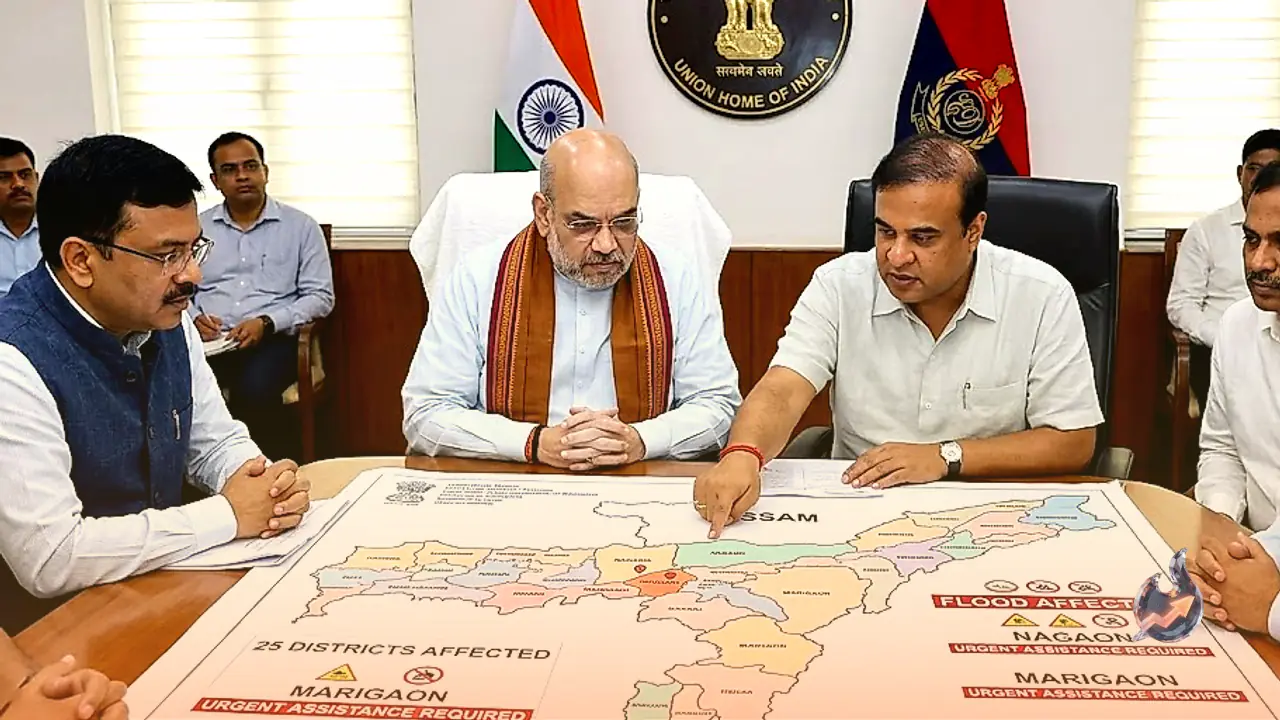
Responding to the escalating emergency, the central government has quickly mobilized its resources. On Thursday, Union Home Minister Amit Shah reached out directly to Assam's Chief Minister Himanta Biswa Sarma to evaluate the grim ground reality. During their detailed telephone conversation, Shah carefully reviewed the widespread destruction and subsequently committed to deploying a specialized inter-ministerial delegation from the national capital. This move aims to ensure that the state receives exactly what it needs to combat the crisis effectively.
Central Team To Assess Damage
The soon-to-arrive central delegation will be explicitly tasked with conducting a thorough, on-the-ground evaluation of the extensive damage inflicted upon infrastructure and communities. Following this rigorous inspection, the Union government will release vital financial and logistical support tailored specifically for immediate relief distribution, long-term rehabilitation efforts, and massive systemic reconstruction. Taking to various social media platforms, Chief Minister Sarma openly expressed his gratitude for the continuous backing from New Delhi during what is being categorized as one of the most severe flooding events the state has faced in recent years.
Cloudbursts Trigger Unprecedented Devastation
The primary meteorological catalyst for this sudden disaster was a dangerous combination of localized cloudbursts coupled with torrential downpours originating in the higher altitude regions. Official meteorological records indicate a frightening anomaly, revealing that certain pockets of the state experienced precipitation levels soaring to a staggering 436 percent above the normal seasonal average. This freak weather phenomenon has inundated numerous territories that historically remained completely untouched by seasonal monsoon flooding, catching both residents and local authorities entirely off guard.
Mounting Human and Economic Toll
The human and economic toll of this disaster is truly immense and continues to mount. Official figures confirm that the rising waters have violently swallowed more than 1,800 villages spread across 25 distinct districts. The human cost is heartbreaking, with the tragedy already claiming the lives of 41 individuals. Furthermore, the agricultural backbone of these rural communities has been completely shattered, as thousands of farm animals have perished in the rushing currents, wiping out a vital source of income for many farming households.
Round-The-Clock Rescue Missions
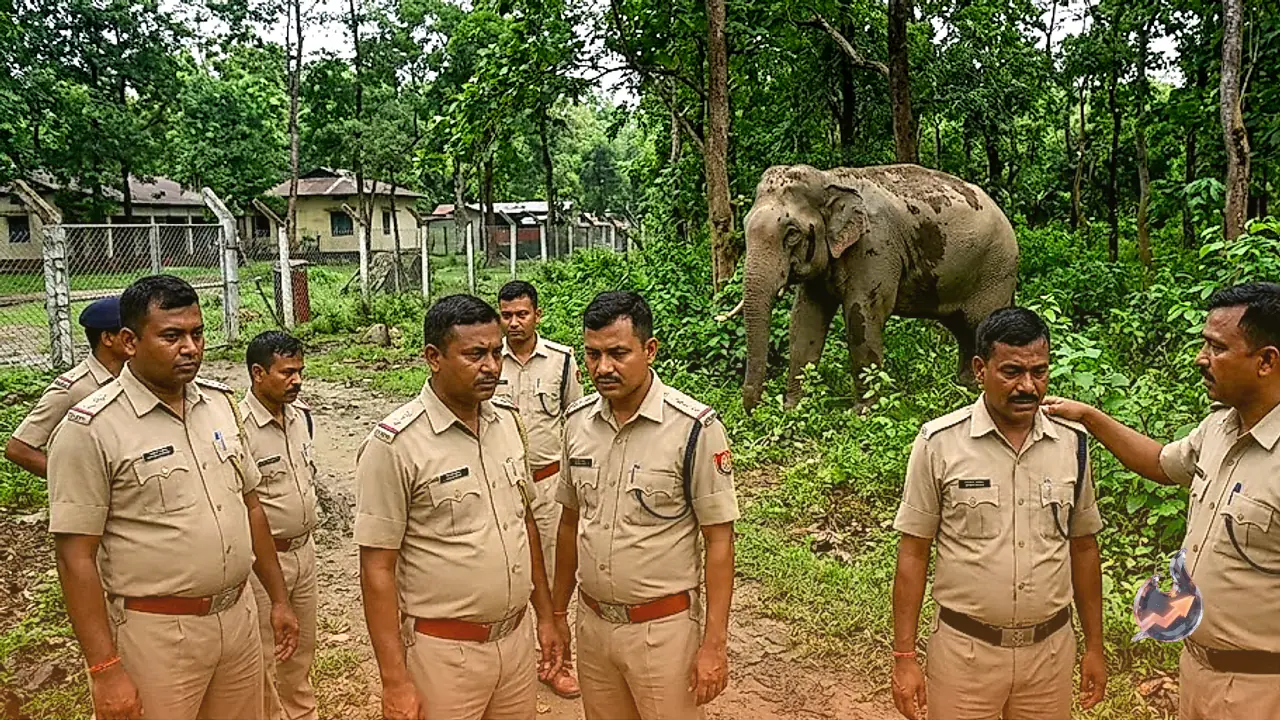
To counter the life-threatening emergency, a massive, round-the-clock rescue mission is currently operating at full capacity. Elite personnel from the National Disaster Response Force and the State Disaster Response Force are collaborating seamlessly with the Indian Air Force and various other specialized government agencies. In remote regions that have been rendered completely inaccessible by flooded road networks, emergency responders are relying heavily on large fleets of boats and continuous aerial helicopter sorties to safely evacuate stranded citizens.
Relief Camps Provide Crucial Shelter
In order to safely accommodate the massive influx of displaced families fleeing the rising waters, local administrative bodies have hastily established upwards of 148 temporary shelter facilities. These secure zones are currently housing approximately 30,000 evacuees who have been forced to abandon everything they own. Essential survival kits, encompassing clean drinking water and basic necessities, are being continuously funneled into these camps. Relief convoys have successfully transported in excess of three lakh kilograms of rice to the hardest-hit zones, ensuring a steady food supply.
Rehabilitation and Future Planning
Looking beyond the immediate rescue and relief phase, the state administration is jointly drafting a comprehensive rehabilitation blueprint in coordination with central authorities to financially assist the battered families. Recognizing the rapidly shifting climatic patterns, government officials are also initiating urgent dialogues aimed at forging a more robust collaborative framework with neighboring states. This proactive, cross-border strategy seeks to better manage the runoff from upper-region cloudbursts and significantly soften the blow of any future flooding catastrophes.