





















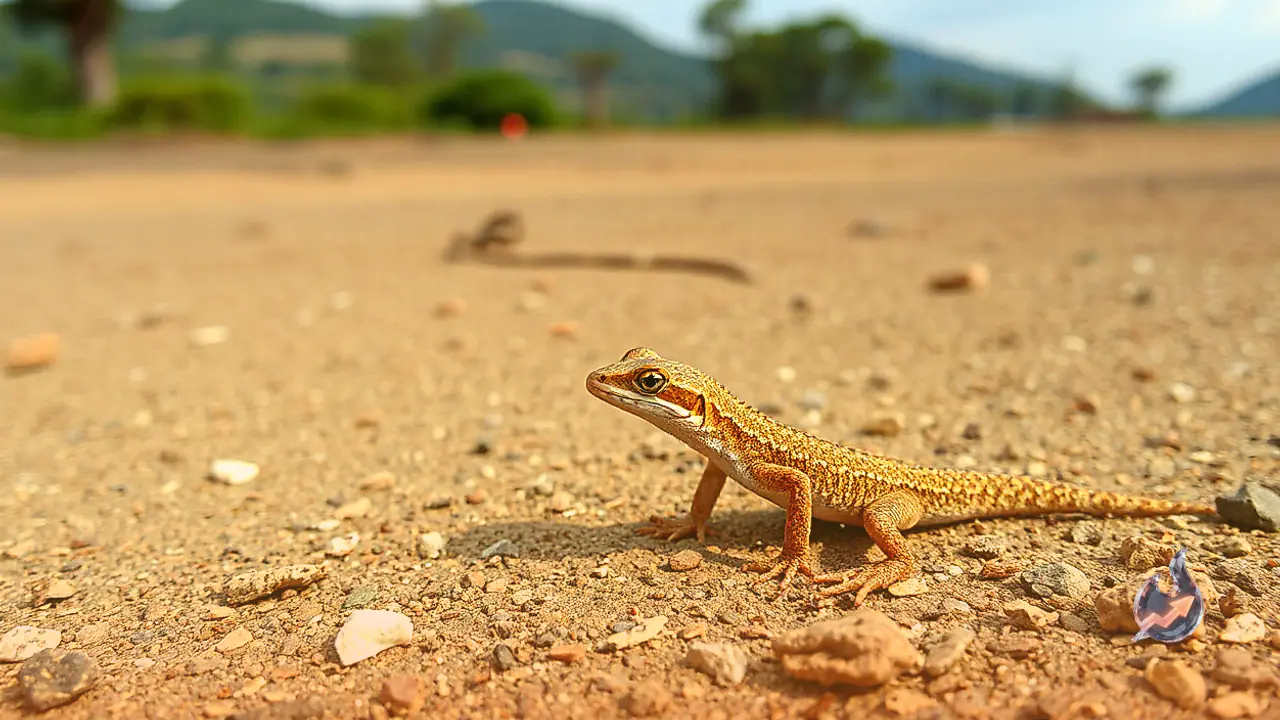

Researchers have successfully uncovered a brand new species of bent-toed gecko in Umrangso, situated within the Dima Hasao district of Assam, marking an important addition to the known reptile diversity of the region. Designated scientifically as Cyrtodactylus dimensis, this newly identified organism has been thoroughly detailed in a research paper featured in the Journal of Threatened Taxa.
Research Team and Analytical Methods
The comprehensive study was spearheaded by Krijoboti Thaosen, Mathipi Vabeiryureilai, Mara Duasa Hlychho, and Hmar Tlawmte Lalremsanga, who maintain affiliations with Mizoram University alongside other prominent research organizations. To definitively establish the distinct identity of the organism, the academic team utilized a rigorous combination of direct physical examinations coupled with molecular and genetic analyses.
Fieldwork and Specimen Collection
Field surveys for the project were conducted across August 2025 and July 2026, with investigators dedicating a cumulative total of seven nights to document the gecko in and around the Umrangso locale. Members collected various specimens directly from specific microhabitats, including rugged rocky terrains, allowing them to carefully evaluate physical traits alongside underlying genetic properties.
Morphological Distinctions and Genetic Makeup
Findings from the published study indicate that the newly found species can be reliably distinguished from related geckos through a unique configuration of scale arrangements and specialized bodily structures. Statistical comparisons involving physical measurements additionally highlighted noticeable differences distinguishing Cyrtodactylus dimensis from other documented members belonging to the Cyrtodactylus khasiensis species group.
Lineage Connections and Regional Biodiversity
The investigators successfully placed the newly recognized gecko inside a distinct lineage of bent-toed geckos tied directly to the broader Indo-Burma geographic territory. While it shares close evolutionary ties with Cyrtodactylus vanarakshaka, another species previously documented from Dima Hasao, the new specimen diverges clearly in both genetic composition and morphological traits. With this latest finding, the recorded count of documented Cyrtodactylus species located within Assam has officially climbed to eight, according to the research paper.
Ecological Significance of the Habitat
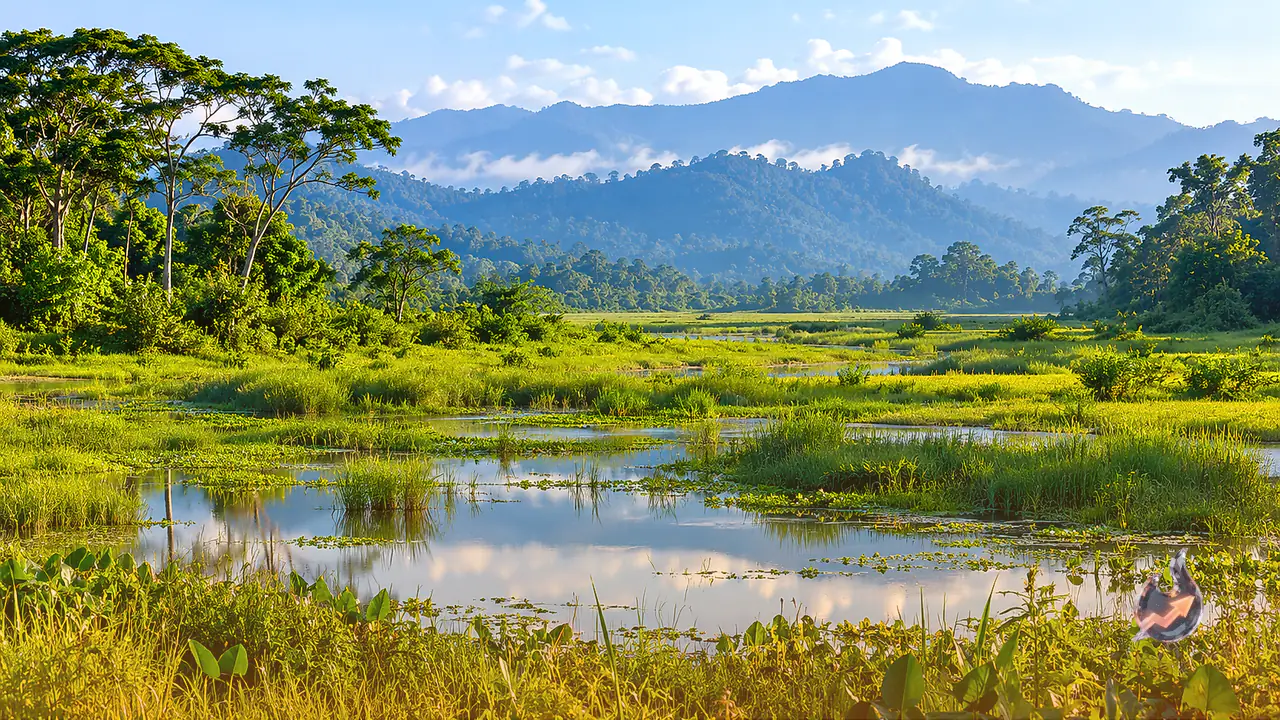
The Dima Hasao district falls squarely inside the Indo-Burma biodiversity hotspot, a geographical zone globally recognized for holding an exceptionally rich variety of plant and animal forms. The varied landscapes characteristic of the district, featuring intersecting hills, deep valleys, and forested tracts spanning fluctuating elevations, supply crucial natural habitats capable of sustaining unique species while continuously enriching regional biodiversity.