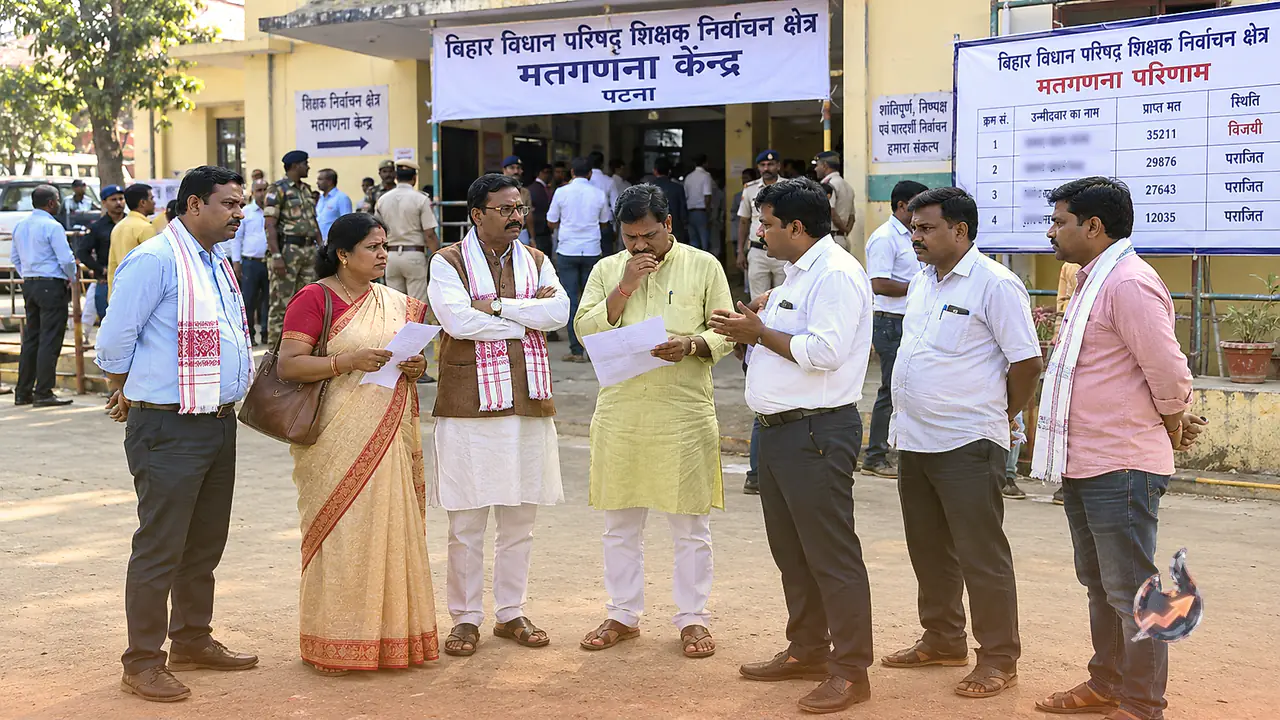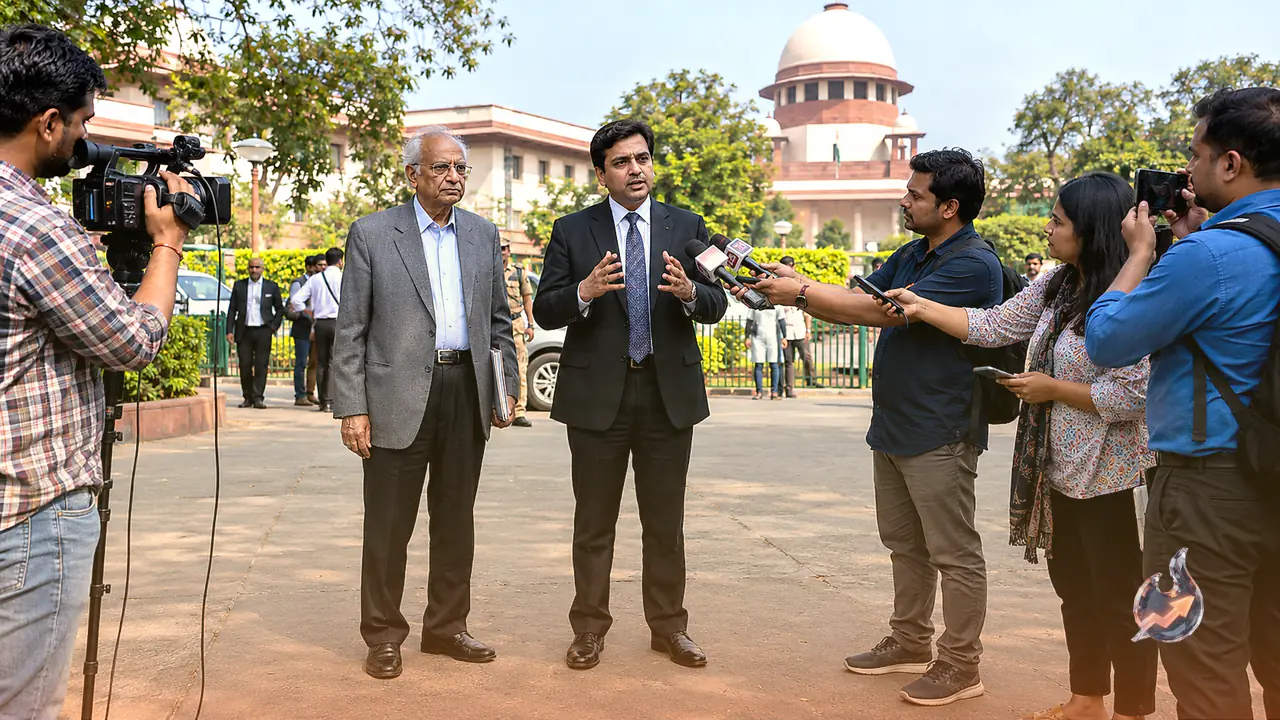



















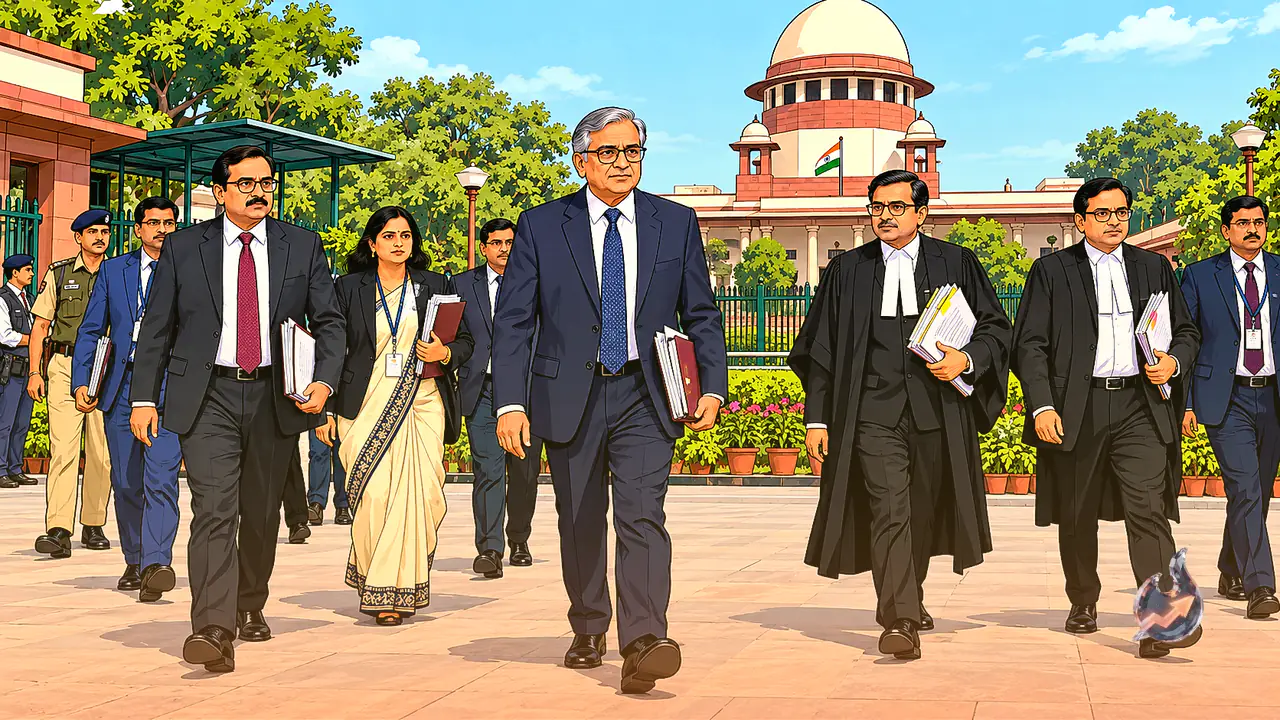

In a comprehensive counter-affidavit submitted before the Supreme Court, the Election Commission of India has strongly maintained that restraining the Chief Election Commissioner from discharging duties would directly contravene Section 18 of the relevant legislation. This particular section governs the administrative framework and decision-making mechanisms within the multi-member constitutional body. Through this submission, the commission firmly dismissed allegations suggesting that Chief Election Commissioner Gyanesh Kumar had taken any decisions unilaterally. The commission asserted that all major policy choices regarding the special intensive revision of electoral rolls were adopted through complete consensus among the members.
Understanding Section 18 of the 2023 Legislation
Section 18 of the 2023 enactment, titled the disposal of business, lays down a clear legal framework for the internal functioning of the election panel. This statutory provision contains two primary clauses that dictate how the commission reaches decisions and allocates responsibilities among its members. Under the first part of this provision, known as Section 18(1), the commission is empowered to regulate its working procedures through unanimous decisions and distribute work between the Chief Election Commissioner and other election commissioners. Meanwhile, Section 18(2) mandates that all business of the commission should, as far as practicable, be transacted unanimously.
Majority Rules and the Absence of Veto Power
In the event of a difference of opinion between the Chief Election Commissioner and other commissioners on any matter, the decision must be determined by the opinion of the majority. In short, while this framework prioritizes unanimity for decision-making, it establishes a clear mechanism for majority voting when disagreements arise among members. Within a three-member election panel, this majority rule means that the combined vote of two commissioners can override the Chief Election Commissioner. Although Article 324(3) of the Constitution designates the Chief Election Commissioner as the head of the panel, the 2023 statute grants no special veto power or casting vote. This provision has recently drawn significant attention across various judicial forums amidst challenges concerning commission decisions.
Controversy Surrounding Media Reports and Internal Dissent
The judicial scrutiny intensified following allegations that crucial decisions regarding the special intensive revision process were pushed through despite objections raised by two other commissioners, Sukhbir Singh Sandhu and Vivek Joshi. This controversy escalated further when a prominent national newspaper reported in September 2026 that both commissioners had formally registered objections on at least fourteen occasions over a ten-month period against orders allegedly issued without their prior knowledge. The reported grievances covered diverse operational areas including revised voter registration procedures linked to Form 6, access to the ERONET database, internal work distribution, and electoral roll management. These contentions raised vital legal questions regarding whether the commission adhered to the statutory procedures outlined under Section 18.
The Commission Response and Decision-Making Protocol
In its formal response, the election panel rejected claims of unilateral decision-making, clarifying that the three special intensive revision orders issued on June 24, 2025, October 27, 2025, and May 14, 2026, were passed unanimously. The commission clarified that suggestions, remarks, and queries shared among members during deliberations cannot be equated with formal commission decisions under Section 18. According to the affidavit, all matters placed before the panel were duly discussed, with files and related documents routed for approval among the Chief Election Commissioner and the two commissioners. These resolutions were duly recorded in official files and implemented through the secretariat, with the counter-affidavit itself receiving unanimous approval from all three members.
Implications and Relief for Gyanesh Kumar
The statutory layout views the election panel not as an entity where decisions rest solely with its head, but as an institution emphasizing collective decision-making processes. The commission emphasized that internal notes and exploratory questions during discussions do not constitute formal dissent or prove a lack of consensus on final orders. Consequently, the ECI urged the Supreme Court to dismiss the petition, arguing that a directive to stop the Chief Election Commissioner from functioning would run counter to the legal framework governing institutional operations, and maintained that the revision orders complied fully with Article 324 and applicable laws.