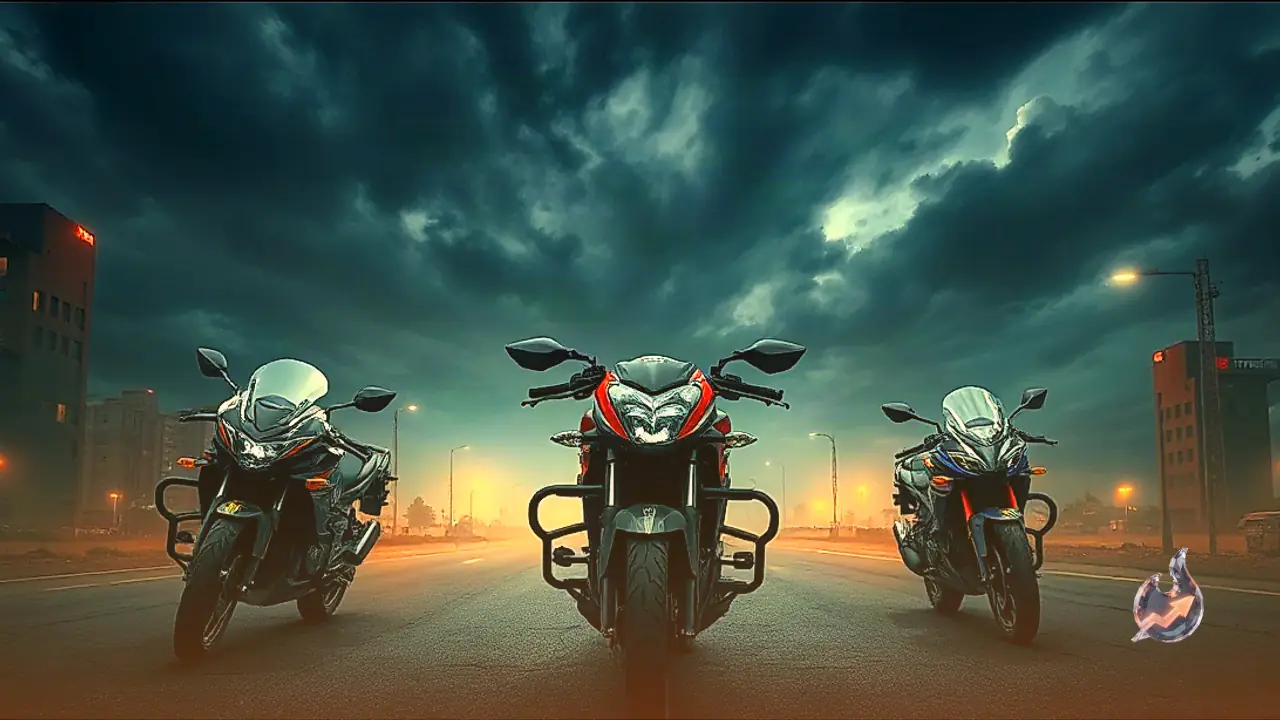























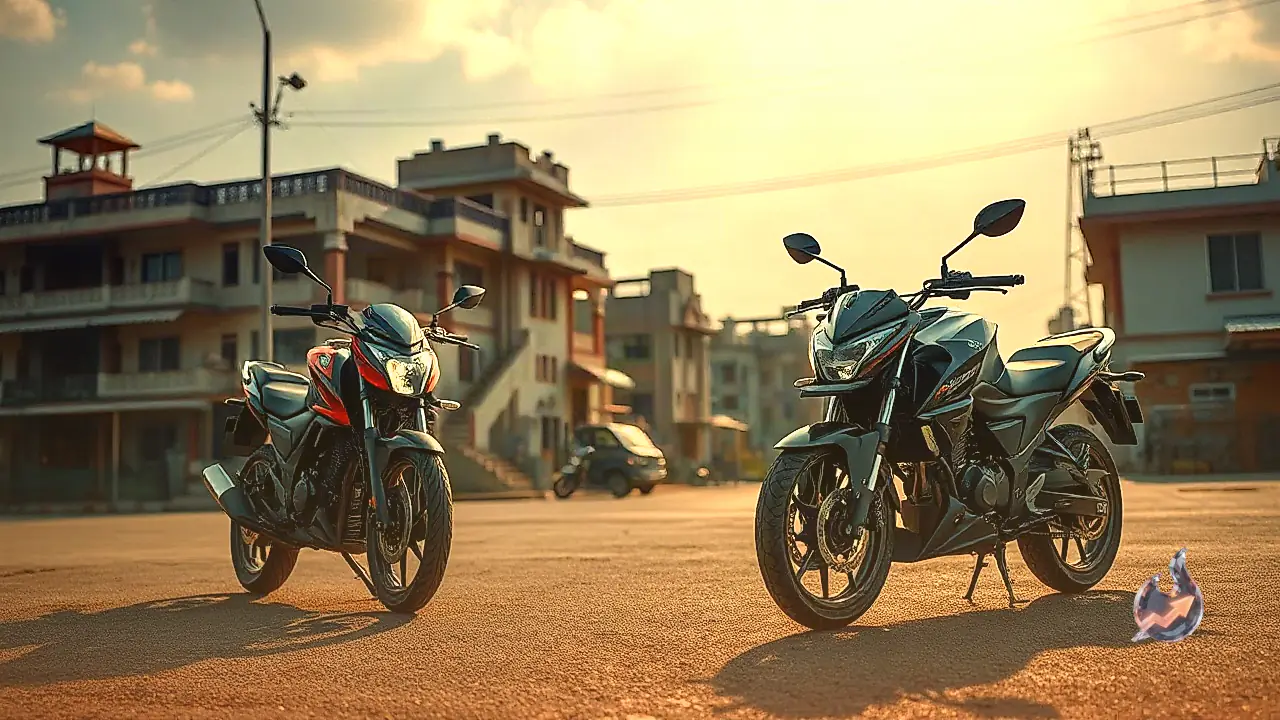

A visible transition is underway across the Indian two-wheeler market as younger riders move past conventional commuter motorcycles in search of sharper road presence and spirited performance. The 160cc streetfighter space has emerged as a major hotspot, catering to buyers who demand a blend of fuel economy, aggressive design language, and everyday usability. Standing prominently in this competitive bracket are the Bajaj Pulsar N160 and the Hero Xtreme 160R 4V, both engineered to handle daily city duties while delivering an engaging ride when pushed.
Price Comparison Across Variants
Looking at entry price points reveals a clear positioning divergence between the two contenders. The Pulsar N160 starts at an ex-showroom tag of approximately Rs 1.22 lakh for its baseline trim, climbing to Rs 1.42 lakh for the fully loaded option. On the other hand, the Xtreme 160R 4V demands an ex-showroom investment ranging from around Rs 1.33 lakh to Rs 1.38 lakh. This makes the base version of Bajaj's challenger significantly more accessible for cost-sensitive buyers, whereas Hero maintains a tighter price band across its lineup.
Styling and Road Presence
Visual aggression remains central to both machines. The Pulsar N160 incorporates bold fuel tank shrouds, crisp character lines, and a high-end exterior finish that gives it the stance of a muscular streetfighter. In contrast, the Xtreme 160R 4V adopts a lean and athletic profile accentuated by vibrant paint schemes designed to appeal to younger riders. Both motorcycles come fitted with comprehensive LED lighting units as well as sharp instrument consoles, ensuring adequate illumination and modern aesthetics under diverse riding conditions.
Onboard Tech and Rider Amenities
Connectivity and digital instrumentation have become vital selling points in this category. The Pulsar N160 packs a digital instrument console with smartphone pairing over Bluetooth, turn-by-turn navigation assist, call and SMS notifications, along with an integrated USB charging point to keep devices powered on the go. Matching up, the Xtreme 160R 4V provides an inverted LCD panel, Hero Connect Bluetooth suite, a USB port, and even cruise control functionality on select variants, elevating riding convenience during extended highway stretches.
Braking Dynamics and Safety Architecture
Both manufacturers have prioritized rider protection through dedicated braking hardware. Bajaj equips the Pulsar N160 with oversized disc brakes governed by a dual-channel ABS setup, generating dependable stopping leverage across slippery surfaces. Meanwhile, the Xtreme 160R 4V matches this with front and rear disc brakes coupled with dual-channel ABS, while also benefiting from upside-down (USD) front forks that enhance chassis rigidity, handling feedback, and cornering stability. The result is a safe riding envelope suited for congested city streets and open highways alike.
Powertrain Specifications and Efficiency
Underneath the bodywork, the mechanical configurations bring slight differences in performance numbers. The Pulsar N160 draws energy from a 164.8cc single-cylinder engine that churns out nearly 16 PS of power and 14.65 Nm of peak torque. Known for refined operation and strong mid-range throttle response, it achieves an estimated top speed of 120 km/h. Hero powers the Xtreme 160R 4V with a 163.2cc 4-valve engine generating approximately 16.9 PS and 14.6 Nm of torque. Matched with 5-speed gearboxes, both provide brisk acceleration through urban traffic, though the Pulsar edges ahead slightly in everyday fuel efficiency. In summary, the Pulsar N160 stands out for its stopping confidence and entry value, whereas the Xtreme 160R 4V delivers an agile, feature-packed package.