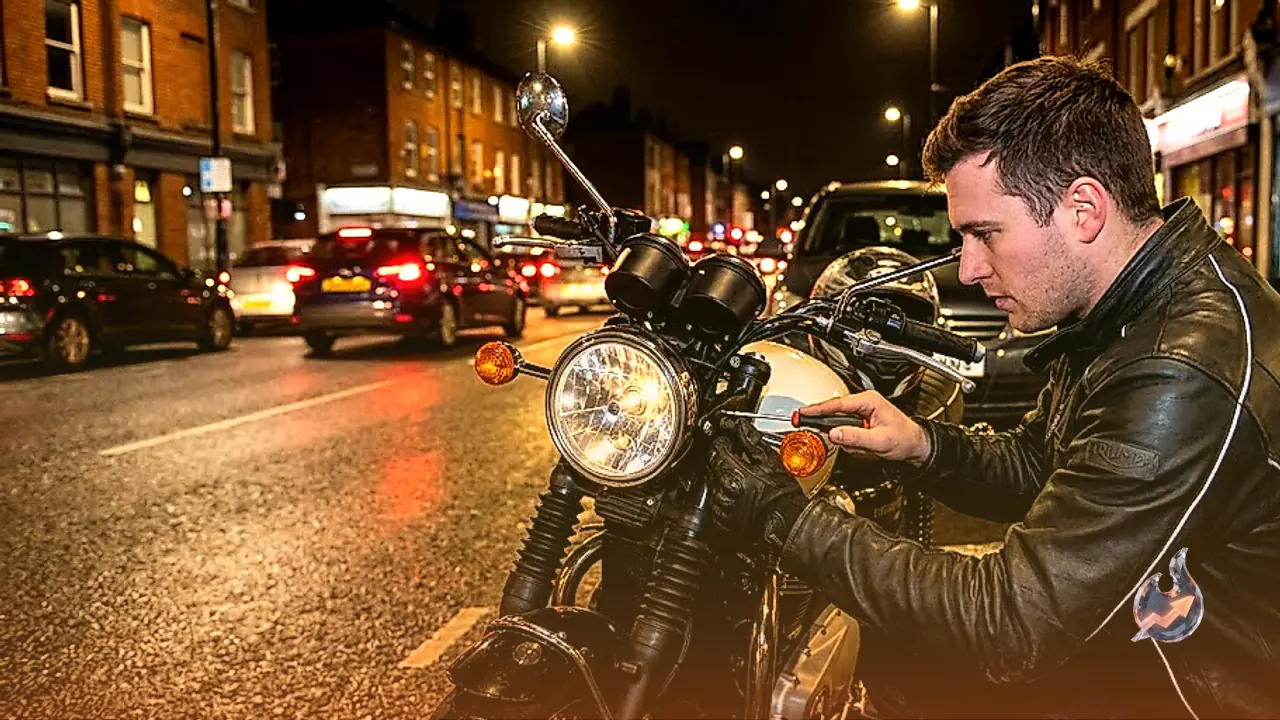























Ahead of the festive rush, TVS rolled out an updated version of the Ronin on September 17, 2026, equipping the motorcycle with advanced electronic aids and fresh equipment across multiple grades. The newly structured lineup now introduces a Base+ variant featuring dual-channel ABS as standard, while the mid-level trim gains a connected digital display accompanied by a Type-C charging slot. Heading the range, the top-tier specification receives a traction control system, a Type-C port, and a premium seat finish. In terms of Delhi ex-showroom pricing, the Base+ model is tagged at ₹1,42,490, the mid variant commands ₹1,51,540, and the flagship top edition retails at ₹1,63,640. Positioned directly against it, the Bajaj Dominar 250 carries an ex-showroom tag of around ₹1.87 lakh. Both machines compete within the quarter-liter bracket, where the latest revisions give the Ronin a sharp technological edge in everyday utility and safety.
Contrasting Design Philosophies
Visually, the two competitors target entirely different rider aesthetics. The TVS Ronin leans heavily into modern roadster styling, featuring a neo-retro stance, a rounded headlight nacelle, and vibrant paint schemes like Sunlight Yellow and Desert Mirage, aimed squarely at style-conscious city riders. Conversely, the Bajaj Dominar 250 sticks to a muscular sports-tourer silhouette. Its sculpted bodywork, aerodynamic fairing accents, and commanding road presence are tailored specifically for high-speed highway cruising and long saddle hours.
Electronics and Rider Safety Features
On the equipment front, the top-spec Ronin delivers smartphone pairing via Bluetooth, a connected instrument display, and a dedicated Type-C charging port. The Dominar 250 responds with an all-digital console, switchable riding modes, and full LED illumination. Where the Ronin makes its most dramatic stride is rider safety. By providing dual-channel ABS starting right from the Base+ variant and adding a traction control system to the top grade, it matches the electronic safety footprint of the Dominar. The Dominar 250 also features dual-channel ABS, traction control, and inverted USD front forks that maintain road composure at higher speeds. However, within congested urban confines, the Ronin benefits significantly from its lower curb weight of roughly 160 kg alongside generous ground clearance.
Powertrain Outputs and Cruising Dynamics
When measuring pure engine grunt, the Dominar 250 retains a clear mechanical advantage. Its 248.8 cc liquid-cooled motor generates 27 PS of power and 23.5 Nm of torque, linked to a 6-speed gearbox that pushes the motorcycle to a top speed of roughly 132 km/h. By comparison, the Ronin employs a 225.9 cc oil-cooled unit delivering 20.4 PS of maximum power and 19.93 Nm of torque through a 5-speed transmission, reaching a top speed of 120 km/h. While the Dominar remains superior for sustained high-speed highway runs, the Ronin delivers effortless low-speed manners and an economical fuel efficiency of around 40-42 km/l.
Value Evaluation for Buyers
With these updates, the Ronin positions itself as an exceptionally strong value proposition, pairing modern rider aids with accessible price tags. Buyers prioritizing pocket-friendly pricing, daily city comfort, eye-catching retro styling, and high mileage will find the Ronin compelling. Conversely, those seeking greater horsepower reserves, an extra gear for open roads, and dedicated touring ergonomics will be better served by the Dominar 250.