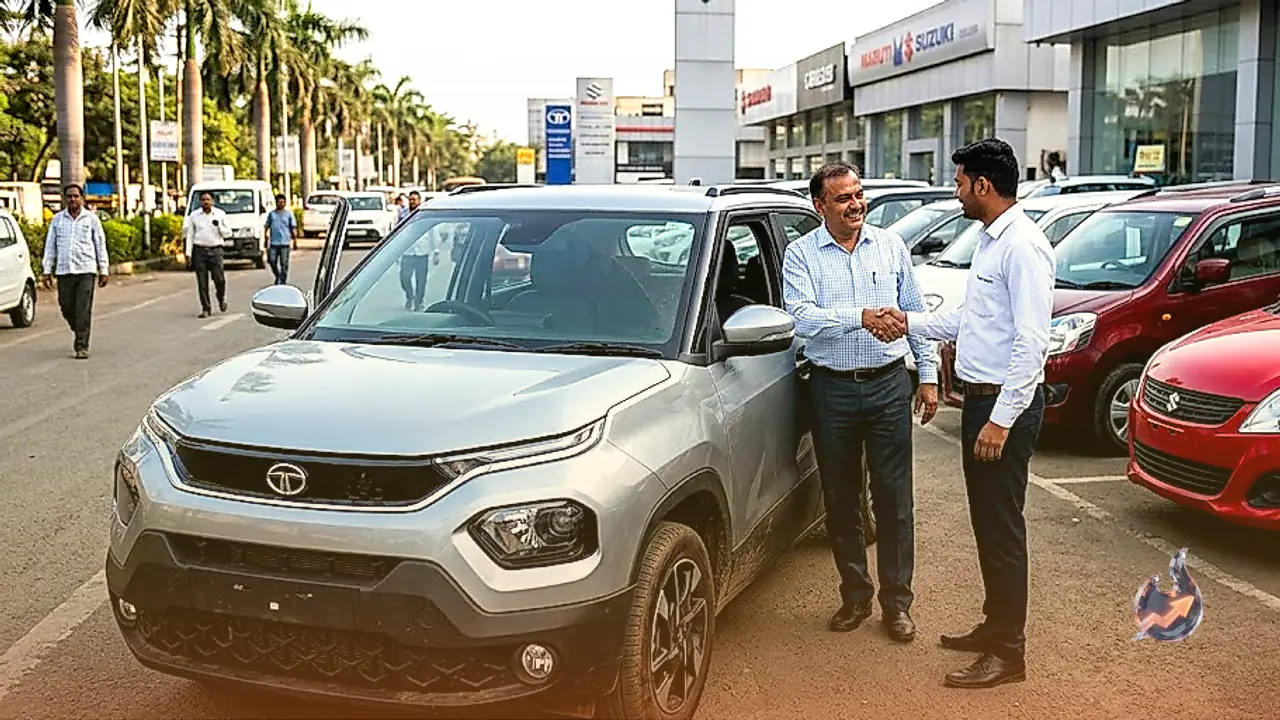
























A historic transformation has been recorded in the country's automotive sector. According to the latest data released by the Federation of Automobile Dealers Associations, the combined share of new passenger car sales belonging to CNG, hybrid, and electric vehicles has outpaced petrol for the first time, climbing to 41.95 percent. While petrol-powered cars have maintained dominance for a long period, rising fuel expenses, government incentives, and heightened environmental awareness have rapidly pushed consumers toward alternative options.
August sales figures and rural market performance
Total vehicle sales during August remained strong on an annual basis, though they registered a decline on a month-on-month level. Rural markets outperformed urban areas, signaling a broad base of demand. The Federation of Automobile Dealers Associations adopted a cautious stance of optimism regarding the near future. These trends matter significantly not just for the industry but also for energy security and clean mobility objectives.
Key drivers behind the rise of alternative fuels
Based on the Federation of Automobile Dealers Associations data, the share of CNG, hybrid, and electric vehicles in new car sales has touched 41.95 percent, marking the first occasion that these three combined have surpassed petrol. Several factors account for the declining reliance on petrol cars. The relative affordability of CNG, the superior mileage offered by hybrid models, and improvements in battery technology alongside the expansion of charging infrastructure for electric vehicles are the primary drivers. Consumers now place greater emphasis on long-term savings and environmental impact.
Breakdown of sales across different vehicle segments
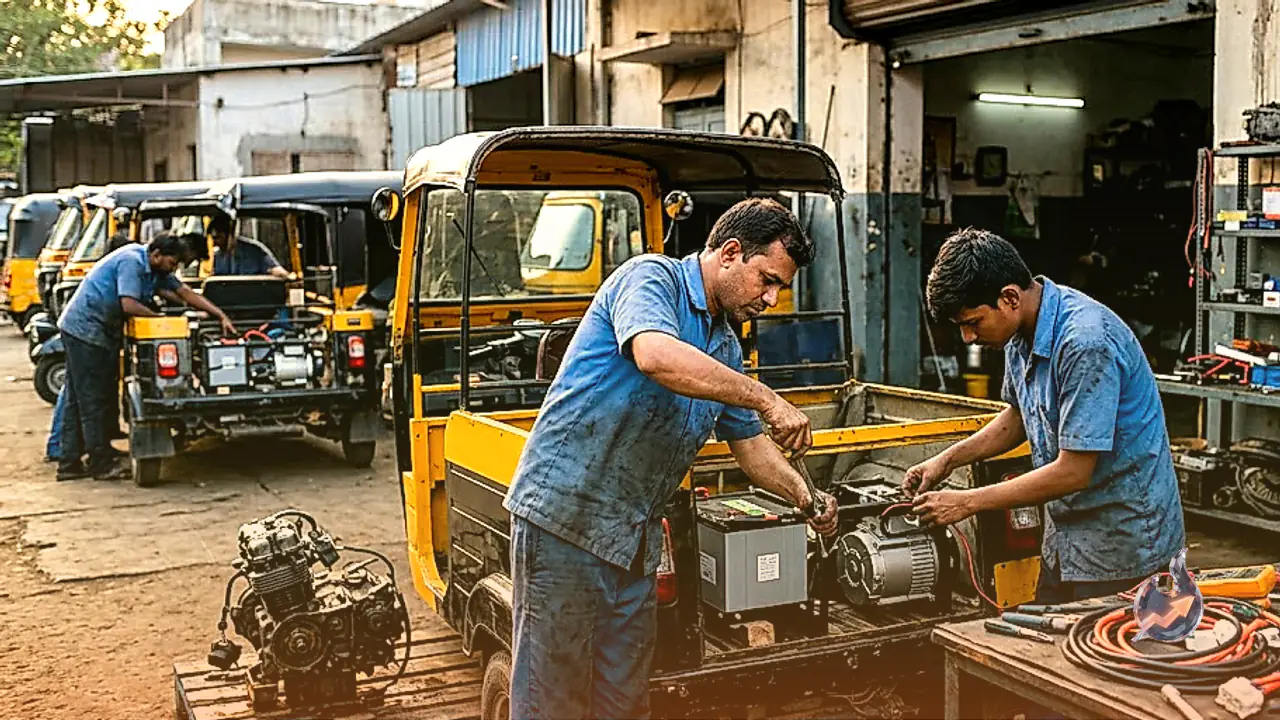
Total vehicle sales reached 24.23 million units in August. This shows a robust annual growth of 17.51 percent, though sales dropped by 6.48 percent on a monthly basis. The two-wheeler segment recorded 1.714 million units sold, staying 19.69 percent higher annually while falling 5.70 percent monthly. Passenger vehicle sales stood at 0.402 million units, reflecting an annual growth of 16.14 percent and a monthly decline of 3.40 percent. Three-wheeler segment sales hit 0.122 million units, representing an 8.64 percent increase year-on-year alongside an 8.59 percent monthly contraction.
Rural strength and upcoming industry outlook
Auto sales in August registered their largest ever figure, setting new records for the month of August across five categories. Most notably, annual growth in rural areas outpaced urban zones across all segments, indicating that rural demand remains resilient and market expansion is reaching beyond major cities. The upcoming festive season and new model launches are expected to support demand, although inflation, interest rates, and global uncertainties may persist as challenges. Overall, the rising share of alternative fuel cars is proving to be a trend that will shape the future trajectory of the Indian automotive industry.