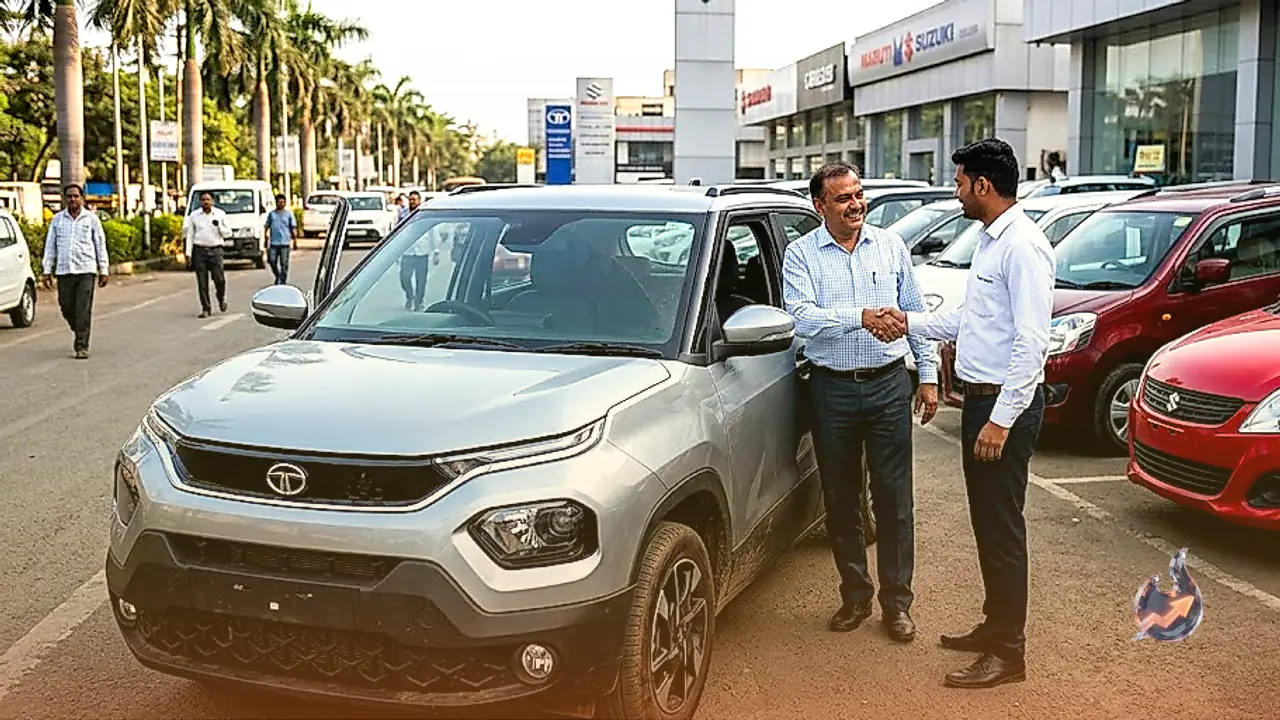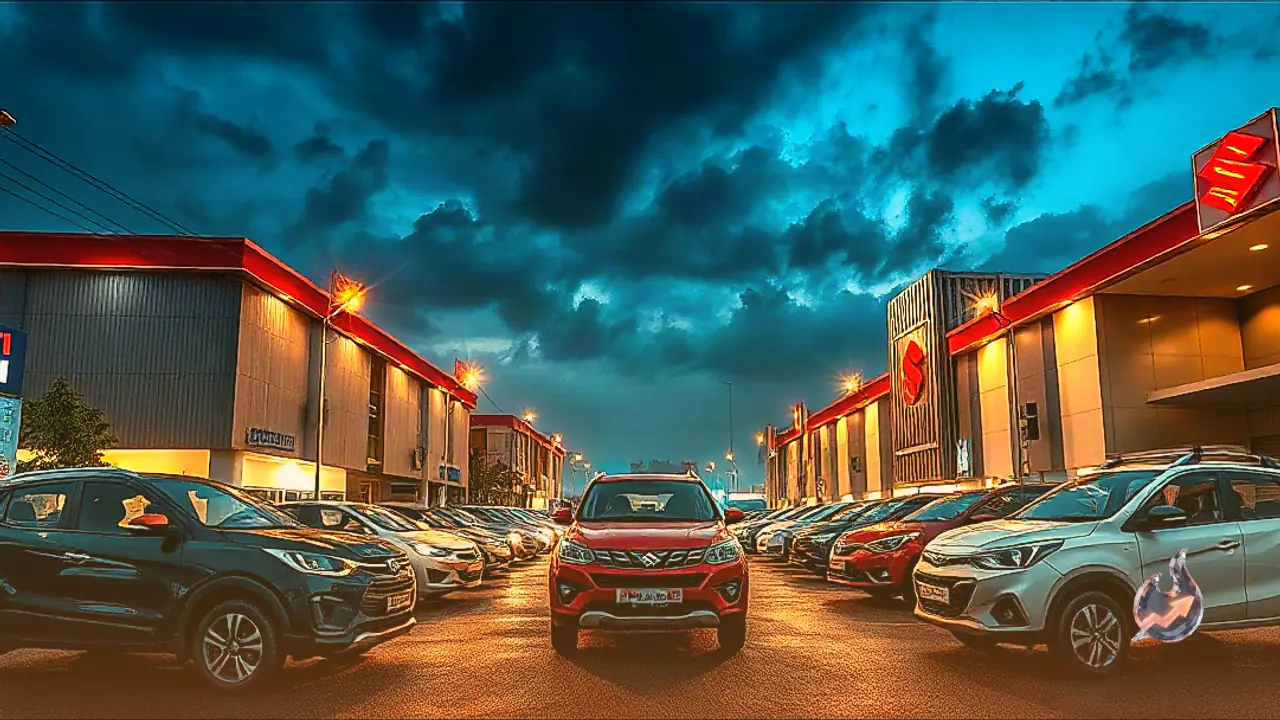



















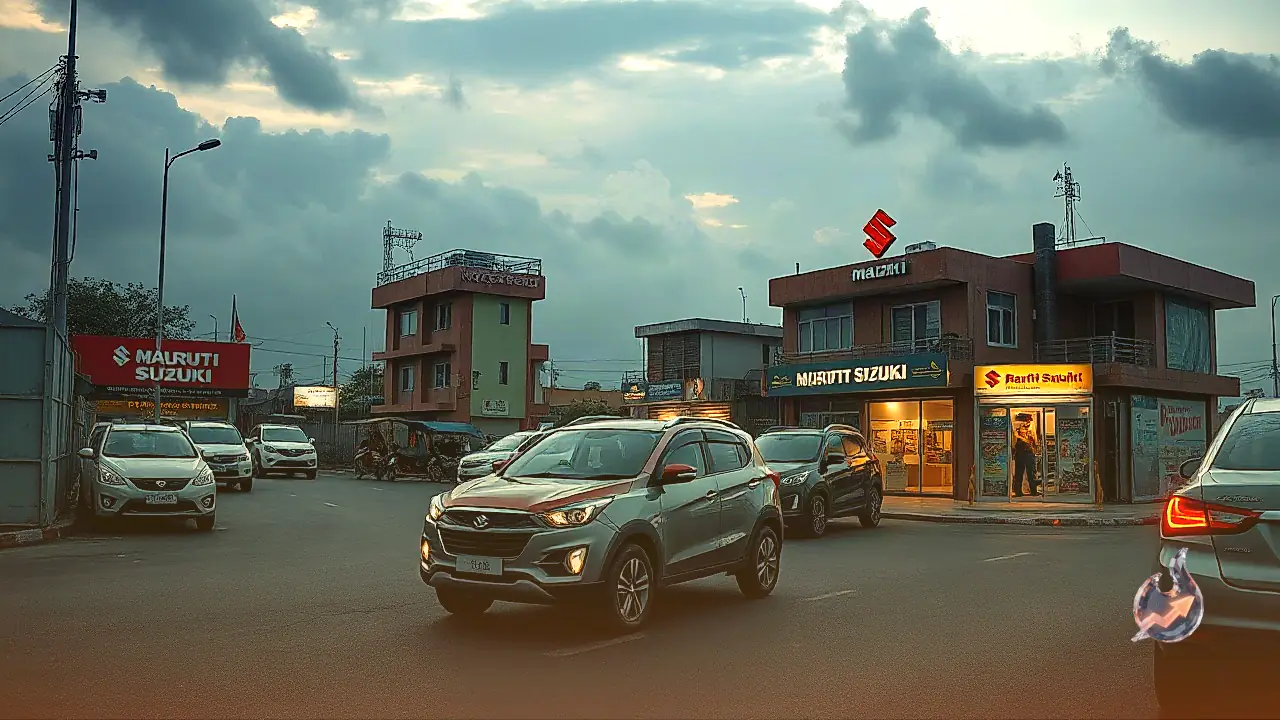

India's leading automobile manufacturer Maruti Suzuki India Ltd has delivered another financial setback to vehicle buyers by announcing a price revision across selected models. The automaker stated that the rates for certain vehicles will increase by up to Rs 20,000 starting September 2026. Ongoing cost pressures and persistent inflation have been cited as the primary drivers behind this upcoming adjustment. This marks yet another revision by the company in a series of vehicle cost markups witnessed over the recent months.
Third price revision since May
This announcement represents the third time the manufacturer has raised rates since May. While the previous two adjustments applied universally across the entire vehicle portfolio, this latest decision will selectively impact only a designated range of models. Industry observers note that mounting production expenses have left manufacturers with limited alternatives, ultimately transferring a portion of the financial burden onto the final consumers.
Measures to control expenses fall short
According to regulatory filings, the enterprise has continuously pursued cost-reduction strategies to manage finances. Despite these internal efforts, elevated inflation levels and expensive raw materials have made it necessary to pass a fraction of the expenditure on to the market. Interestingly, during the announcement, shares of Maruti Suzuki traded in positive territory with a 0.6 percent gain at Rs 12,770, defying a broader market downturn where the Sensex registered an approximate 0.6 percent decline.
Rival automakers follow similar paths
Maruti is not alone in implementing these changes, as competing firms like Tata Motors and Hyundai also revealed price increases shortly before this announcement. Tata Motors previously mentioned adjustments reaching up to Rs 25,000 on its vehicles. All major market participants are pointing toward supply chain constraints and escalating manufacturing expenses as the justification for these updates.
Extensive vehicle lineup and localization focus
The company's Arena network features models such as the S-Presso, Alto K10, Celerio, WagonR, Eeco, Swift, Dzire, Brezza, Ertiga, and Victoris, while the Nexa portfolio includes the e-Vitara, Invicto, Jimny, XL6, Grand Vitara, Fronx, and Baleno. However, the manufacturer has not yet clarified which specific variants will carry the revised price tags. Managing Director and CEO Hisashi Takeuchi recently emphasized the critical need for deep localization within the automotive supply chain. He noted that following shifts in global logistics, India can establish itself as a reliable manufacturing hub where reliability and continuity match the importance of basic production expenses.