























Safe and efficient motoring requires far more than basic mechanical handling; it is an ongoing craft built upon consistent practice, deep concentration, and sound operational habits. Even motorists with years of behind-the-wheel experience frequently overlook routine safety fundamentals, leading to avoidable collisions on modern thoroughfares. Cultivating true competence behind the wheel involves taking accountability for the well-being of all road users rather than merely avoiding citations. Adopting disciplined vehicle handling techniques saves critical transit time, cuts unnecessary fuel burn, and substantially reduces mental stress during daily commutes.
Both novice drivers and seasoned motorists benefit from regularly reassessing their road conduct with patience and elevated awareness. Maintaining consistent safety habits ensures the welfare of personal passengers while shielding pedestrians and adjacent motorists from unexpected hazards. Incorporating structured driving protocols into routine commutes remains the most dependable way to travel with confidence and composure.
Periodic Review of Traffic Regulations
Statutory traffic frameworks and municipal road mandates evolve over time, making periodic reviews an essential part of responsible vehicle ownership. Motorists must maintain an accurate understanding of right-of-way conventions, intersection signals, lane management protocols, and safe overtaking guidelines. Checking regulatory updates on official transport department websites and specialized digital portals prevents unexpected violations and costly penalties. A clear grasp of existing road codes builds genuine confidence behind the wheel, enabling drivers to navigate congested corridors without hesitation. Dedicating time every few months to brush up on traffic rules reinforces defensive reflexes and prevents outdated assumptions.
Strict Adherence to Posted Speed Limits
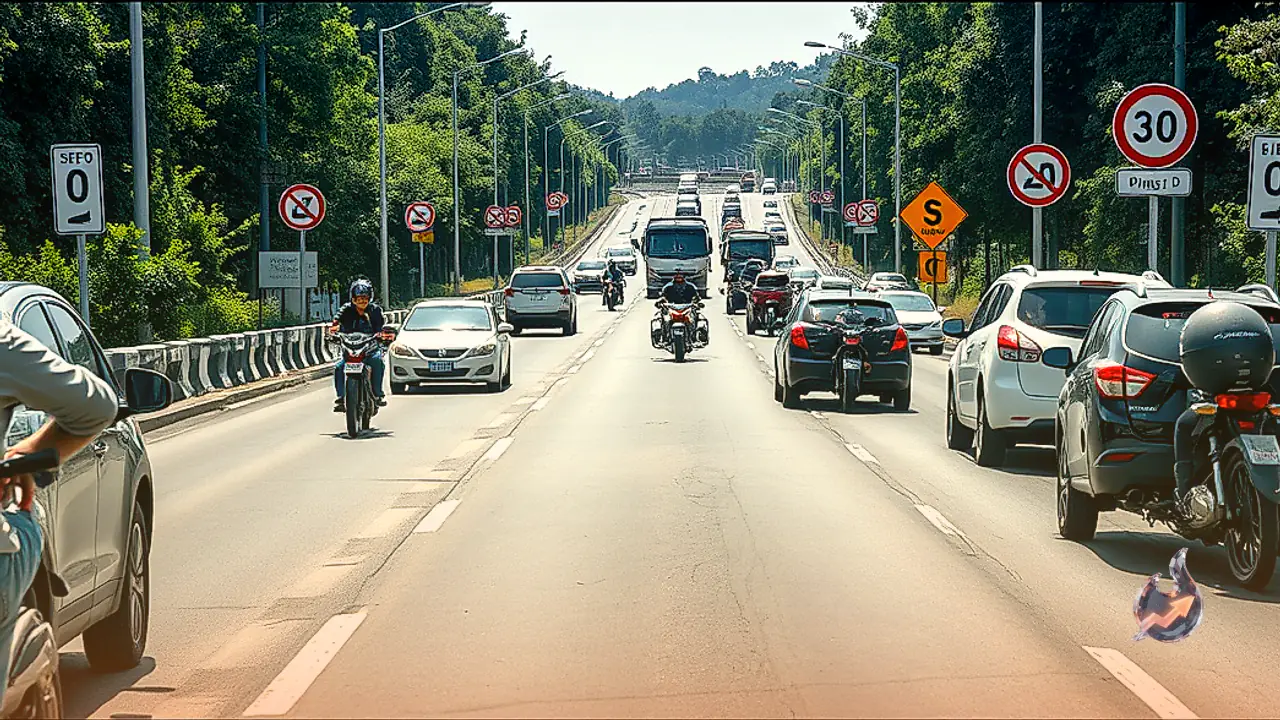
Excessive velocity remains one of the primary catalysts behind catastrophic highway and urban collisions. Every corridor carries a posted velocity threshold designed around its specific engineering, sightlines, and pedestrian density, which must be observed diligently. Accelerating beyond designated limits dramatically degrades mechanical control, extends emergency stopping distances, and strains the engine, leading to elevated fuel consumption. Maintaining modest speeds through residential quarters and strictly honoring statutory ceilings on expressways forms the cornerstone of proactive safety. Motorists should constantly modulate their speed to match current traffic volumes, road surface traction, and environmental conditions rather than treating the posted ceiling as a mandatory baseline.
The Two-Second Following Rule
Leaving an adequate safety cushion between one's bumper and the vehicle ahead is indispensable for crash avoidance. Drivers should implement the standard two-second rule, which mandates that at least two seconds elapse after the preceding vehicle passes a stationary landmark before their own car reaches the same marker. During periods of adverse weather, such as heavy rainstorms or dense fog, this temporal cushion must be extended substantially to compensate for compromised friction. When forward traffic decelerates abruptly without warning, this buffer zone provides the critical split-seconds needed to halt safely without impact. Regularly scanning rear-view and side mirrors complements this cushion by keeping the driver fully informed of closing traffic from behind.
Total Prohibition of Mobile Device Usage
Handling mobile handsets behind the wheel is both illegal and extremely hazardous to public safety. Reading text messages, glancing at notifications, or holding a conversation diverts optical focus away from the asphalt and significantly deteriorates reaction speeds. Whenever an urgent call requires attention, the only safe response is to steer off the active roadway and park the vehicle in an authorized resting area. Hands-free setups and integrated vehicle interfaces must also be used with caution, as complex cognitive conversations divert situational attention just as severely as handheld devices. Activating a dedicated driving profile or silencing incoming notifications before turning the ignition switch eliminates dangerous technological distractions.
Adapting Driving Technique to Weather Conditions
Atmospheric shifts alter pavement characteristics rapidly, demanding immediate adjustments in operational style across rain, fog, and intense sunlight. Slick surfaces require gentle throttle inputs, reduced velocities, and expanded braking distances to prevent hydroplaning and loss of lateral control. When traversing dense fog, operating calibrated headlights correctly and keeping dedicated fog lamps illuminated maximizes forward visibility for oncoming traffic. Intense solar glare demands the use of suitable sunglasses to prevent temporary blinding and preserve visual clarity across intersections. Consulting meteorological forecasts before embarking on highway journeys allows travelers to plan departures strategically and bypass hazardous road segments.
Systematic Vehicle Maintenance and Inspections
Sustaining optimal mechanical health in a personal conveyance represents a non-negotiable obligation for safe travel. Drivers must systematically verify tire inflation pressures, evaluate brake pad wear, confirm all exterior signaling lamps function, and monitor engine oil levels. Severely degraded tires or fading braking assemblies can cause catastrophic failures during unexpected emergency maneuvers or wet-weather stops. Strictly adhering to factory-recommended maintenance schedules ensures hidden mechanical flaws are remedied before causing breakdowns. A thoroughly serviced vehicle operates safely while simultaneously delivering optimized fuel efficiency and reduced running costs.
Defensive Driving and Anticipating External Errors
Defensive driving rests upon the core assumption that surrounding motorists, cyclists, and pedestrians might commit sudden, unpredictable errors at any moment. Approaching intersections and multi-lane corridors with guarded anticipation allows adequate time to react if another vehicle merges unexpectedly. Always activate turn signals well in advance of lane transitions and execute physical shoulder checks to clear side blind spots that vehicle mirrors cannot reflect. Avoid retaliatory maneuvers or aggressive overtaking sparked by impatience. Assuming that other road users may fail to yield creates an essential psychological buffer against multi-vehicle collisions.
Managing Driver Fatigue and Timely Rest Stops
Embarking on extended road journeys while physically drained carries dangers comparable to driving under the influence of intoxicating substances, as physical exhaustion severely impairs cognitive reaction times. Motorists should structure their itineraries to include a physical rest pause every two hours, taking a brief stroll to restore circulatory alertness. Scheduling journeys during standard sleep windows or driving through the late night should be avoided whenever possible in favor of fully rested daytime travel. If heavy eyelids or involuntary lapses in focus occur, pulling into a secure service station or rest area for an immediate nap remains the only prudent course of action.
Protecting Children and Vulnerable Pedestrians
Traversing designated school corridors and bustling neighborhood streets demands minimal speed and absolute priority granted to pedestrians. Young children often lack complete hazard recognition and can dart into active traffic lanes without warning. Approaching designated pedestrian crossings requires heightened vigilance and a readiness to bring the vehicle to a complete halt behind marked lines. When transporting young passengers in the rear cabin, securing them with appropriate restraint harnesses and locking safety latches ensures they remain shielded throughout the journey.
Emotional Restraint and Stress Management Behind the Wheel
Impatience and aggressive frustration serve as direct precursors to erratic, high-risk vehicular decisions on congested corridors. Navigating heavy gridlock requires emotional restraint and the complete elimination of unnecessary horn usage, which only exacerbates ambient tension. Disregarding the poor driving habits or provocations of other motorists preserves mental composure, which is vital for sharp cognitive decision-making. Listening to calm audio or practicing deliberate breathing techniques helps maintain an even temper throughout grueling travel delays.