






















Consumer appetite for mid-size sports utility vehicles across India registered healthy momentum during August 2026. The monthly tally highlighted an intense commercial race among legacy internal combustion offerings, fuel-efficient strong hybrid architectures, and battery-electric platforms. Buyers showed distinct interest in vehicles that combined connected cabin tech, verified safety standards, and real-world fuel economy across price bands ranging from sensible family budgets to premium lifestyle flagships. Leading this competitive charge was the established nameplate from South Korea, alongside surging homegrown utility vehicles and notable new entrants that quickly gained retail traction.
Hyundai Creta Anchors the Segment Top Spot
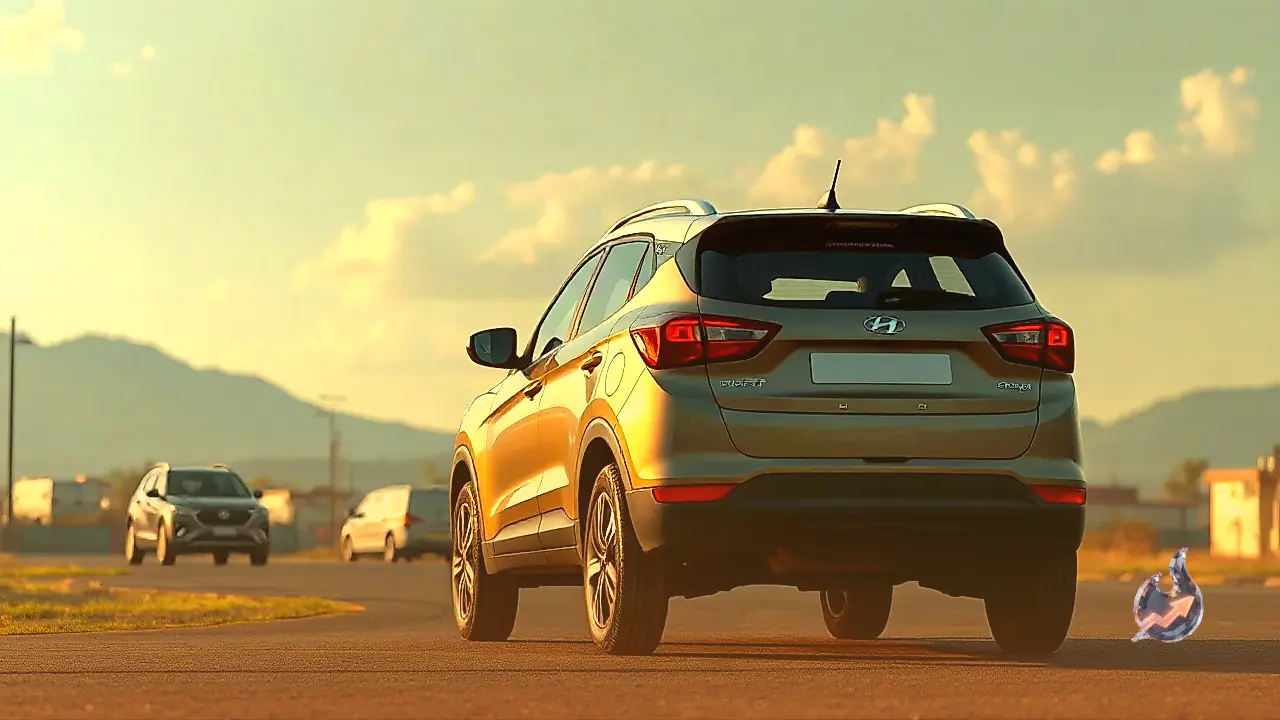
Retaining its position at the apex of the segment hierarchy, the Hyundai Creta posted 16,288 domestic shipments through August 2026, marking an annual expansion of 2 percent. Available across dealerships with an ex-showroom pricing bracket spanning ₹11.00 lakh to ₹20.15 lakh, the nameplate provides broad accessibility. Powertrain duties are divided across three displacement avenues: a 1.5-litre naturally aspirated petrol, a performance-oriented turbo-petrol, and an efficient diesel mill, delivering certified economy outputs ranging from 17 to 21 km/l. Comfort and tech appointments within the cabin include an expansive panoramic glass roof, integrated dual 10.25-inch infotainment and driver display units, alongside front ventilated seating. On the safety front, occupants are shielded by six airbags, a 360-degree surround-view camera layout, and Level-2 ADAS active intervention hardware.
Mahindra Scorpio Lineup Sees 58 Percent Expansion
Mahindra witnessed strong showroom pull for its dual-model Scorpio lineup, encompassing both the Classic and the N variants, which collectively achieved 15,576 unit deliveries in August 2026. This reflects a substantial 58 percent surge over the corresponding period last year. With sticker prices positioned between ₹13.60 lakh and ₹24.54 lakh ex-showroom, these vehicles cater to rugged utility seekers. Mechanical hardware includes a 2.0-litre turbocharged petrol engine alongside a 2.2-litre diesel block, with optional four-wheel drive capability and fuel economy figures varying between 13 and 16 km/l. Cabin highlights feature an electric sunroof, high-fidelity Sony 3D audio configuration, and cordless phone charging pads. The vehicle's safety envelope is underlined by a 5-star crash safety validation, electronic stability program, and six airbags.
Maruti Suzuki Victoris Debuts with Strong Volumes
Entering the fray as a brand-new market proposition, the Maruti Suzuki Victoris quickly established its presence by logging 12,978 customer dispatches in its initial market run. Positioned within an ex-showroom price corridor of ₹10.50 lakh to ₹19.00 lakh, the model targets efficiency-focused urban buyers. Under the bonnet lies a 1.5-litre petrol unit offered alongside full hybrid engineering, resulting in remarkable returns between 20 and 28 km/l. The digital environment includes a 9-inch SmartPlay infotainment panel, a 360-degree parking monitor, and an electronic driver cluster. Structural defense is underpinned by Suzuki's TECT platform, reinforced by six airbags, hill-hold control assistance, and an electronic stability program.
Kia Seltos Records 150 Percent Annual Jump
Kia reported an extraordinary operational rebound for the Seltos, which accumulated 11,716 unit sales in August 2026, representing a monumental 150 percent year-on-year climb. Priced between ₹10.90 lakh and ₹20.35 lakh ex-showroom, the SUV provides an expansive spectrum of trim configurations. Mechanical options mirror its corporate sibling with 1.5-litre naturally aspirated petrol, turbocharged petrol, and diesel configurations, generating economy ratings between 17 and 20.7 km/l. Interior amenities feature dual curved panoramic screens, ambient cabin illumination, and a bespoke Bose audio system. Standard disc brakes across all corners, six airbags, and an active suite of 17 Level-2 ADAS functions form the vehicle's protective backbone.
Mid-Pack Momentum: Mahindra XUV 7XO and Toyota Hyryder
Demonstrating robust demand, the Mahindra XUV 7XO registered 8,541 deliveries during August 2026, translating into a 72 percent annual uptick. Retail figures for this premium offering span ₹14.00 lakh to ₹26.00 lakh. Buyers choose between a 2.0-litre turbo-petrol and a 2.2-litre mHawk diesel engine, which produce real-world consumption estimates of 12 to 16 km/l. Luxurious appointments include a triple-screen dashboard fascia, a panoramic skyroof, and refined cabin materials. The platform carries a 5-star crash safety rating, supplemented by seven airbags and modern driver assistance algorithms.
Conversely, the Toyota Urban Cruiser Hyryder recorded a 10 percent volume moderation, yet sustained a solid delivery volume of 8,234 vehicles. Priced between ₹11.14 lakh and ₹20.19 lakh ex-showroom, the model relies on a 1.5-litre mild-hybrid and strong-hybrid propulsion setup, including all-wheel drive variants. Mileage figures range between 21 and 27.97 km/l. The equipment list features a heads-up projection display, ventilated seating, a sunroof, six airbags, vehicle stability control, and a 360-degree bird's-eye camera.
Grand Vitara, Reborn Sierra, and Battery Electric Contenders
Maruti Suzuki's Grand Vitara expanded its market footprint with a 36 percent annual gain, settling at 7,808 units in August 2026. Sold within an ex-showroom band of ₹10.87 lakh to ₹20.09 lakh, the vehicle pairs a 1.5-litre petrol engine with an e-CVT strong-hybrid system, hitting fuel economy figures as high as 27.97 km/l. Interior appointments provide connected-car services, panoramic glass roofing, and wireless device replenishment. Safety gear includes hill-descent assist, a tyre pressure monitoring system, and six airbags.
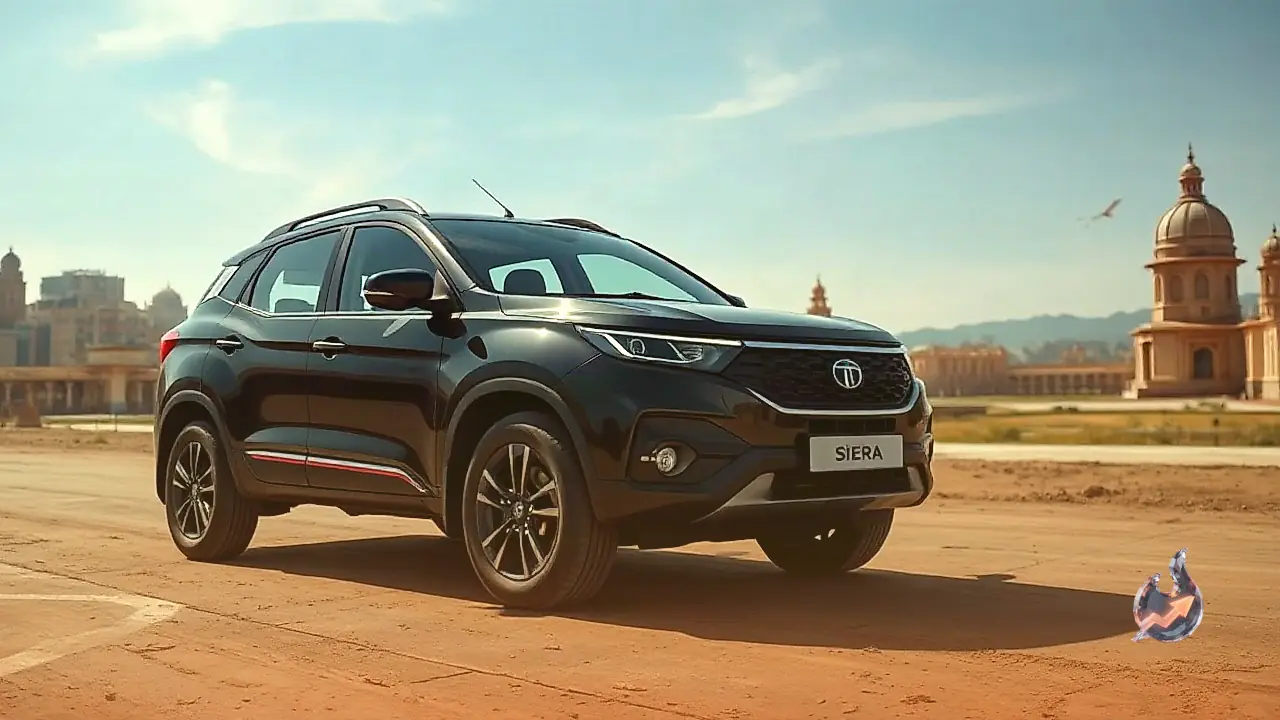
The revived Tata Sierra made an impactful re-entry, clocking 5,622 unit sales in its initial rollout phase. With estimated pricing ranging from ₹14.50 lakh to ₹22.00 lakh, it offers a 1.5-litre turbocharged petrol engine and a 2.0-litre Kryotec diesel powerplant returning 15 to 18 km/l. The vehicle features a signature curved glass roof canopy, a high-resolution infotainment hub, six airbags, Level-2 assistance tech, and Tata's verified 5-star structural protection.
In the zero-emission category, the Mahindra XEV 9S dedicated electric platform recorded 4,508 deliveries, carrying price tags between ₹18.00 lakh and ₹25.00 lakh. Utilizing battery capacities spanning 60 to 80 kWh, it claims a single-charge driving range between 450 and 500 km, accompanied by a digital cockpit, panoramic roof, seven airbags, and Level-2 ADAS. Rounding out the segment, the MG Windsor EV registered 3,705 unit dispatches, marking an 18 percent volume dip. Available with a battery-as-a-service model, its prices range from ₹9.99 lakh to ₹15.50 lakh. Powered by a 38 kWh battery delivering 331 km of claimed range, it features a 15.6-inch touchscreen console, reclining sofa seating, four-wheel disc brakes, a 360-degree camera, and six airbags.