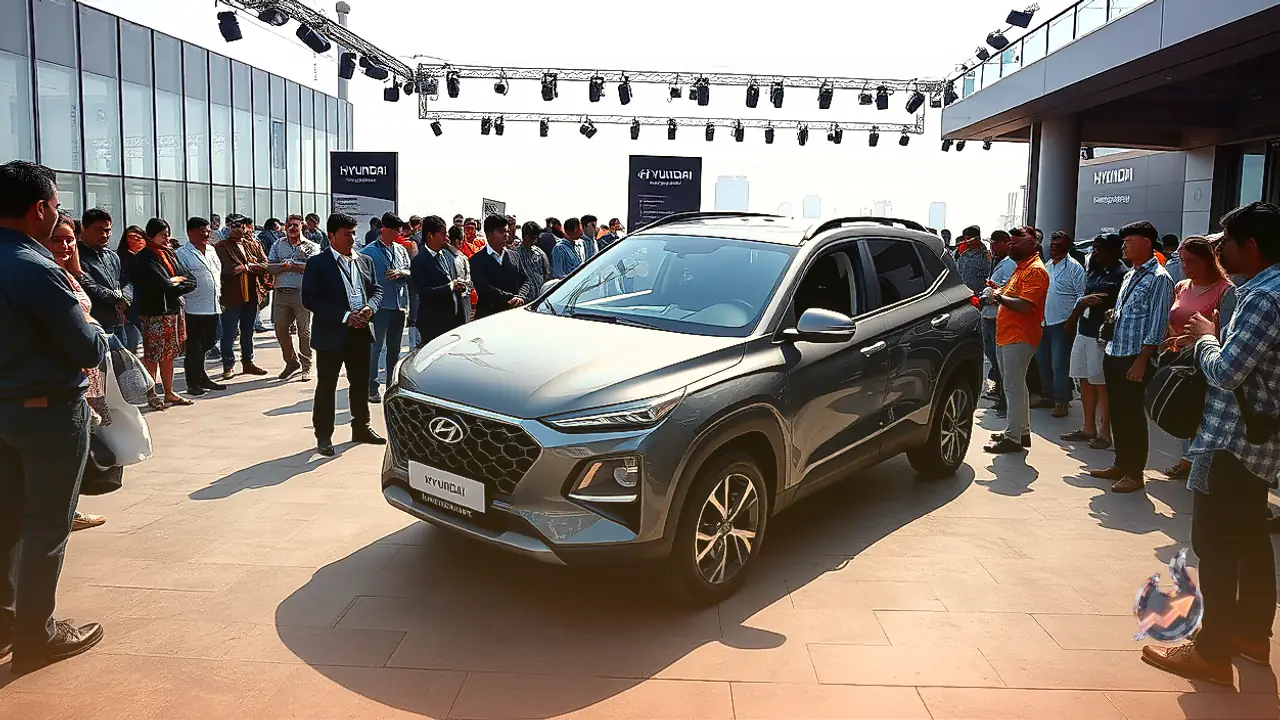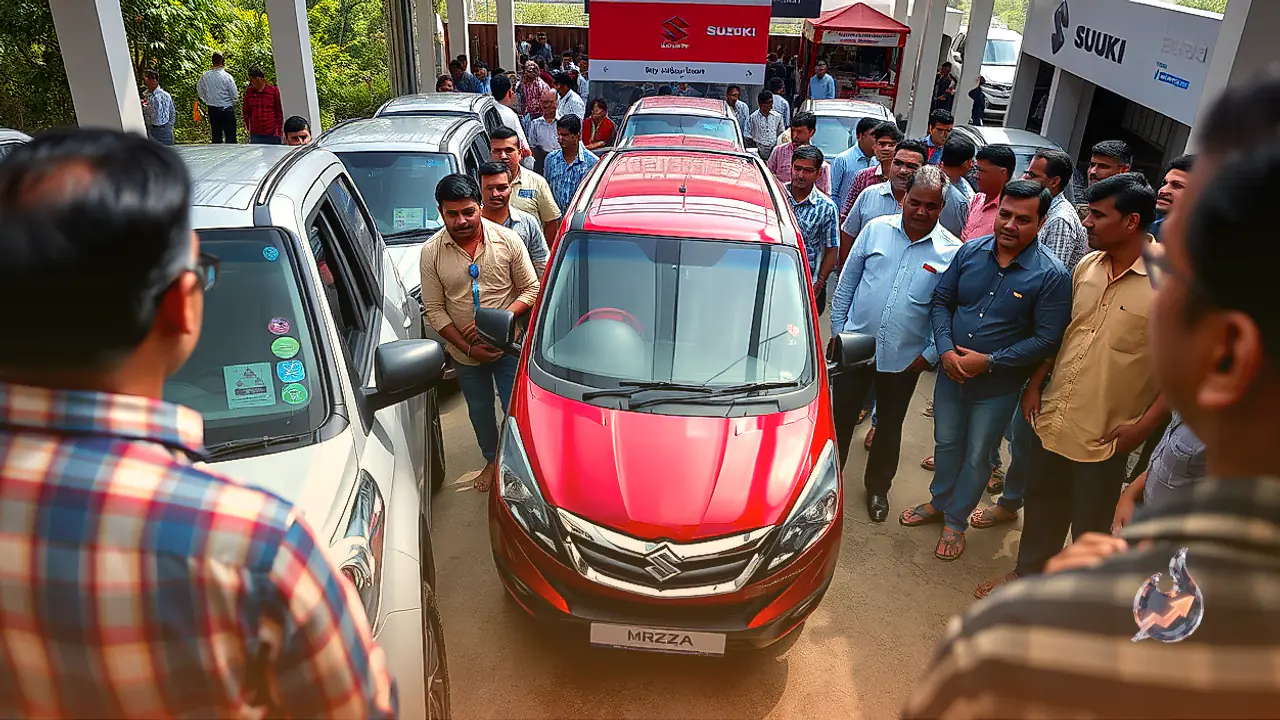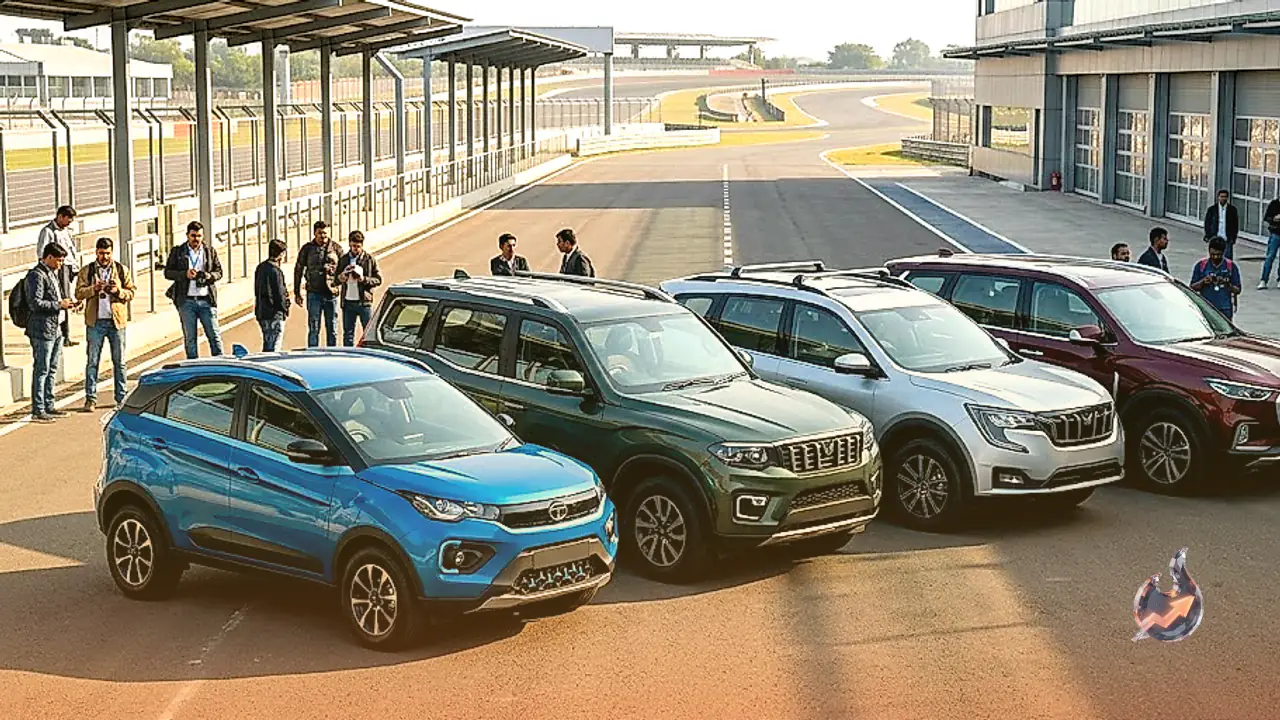




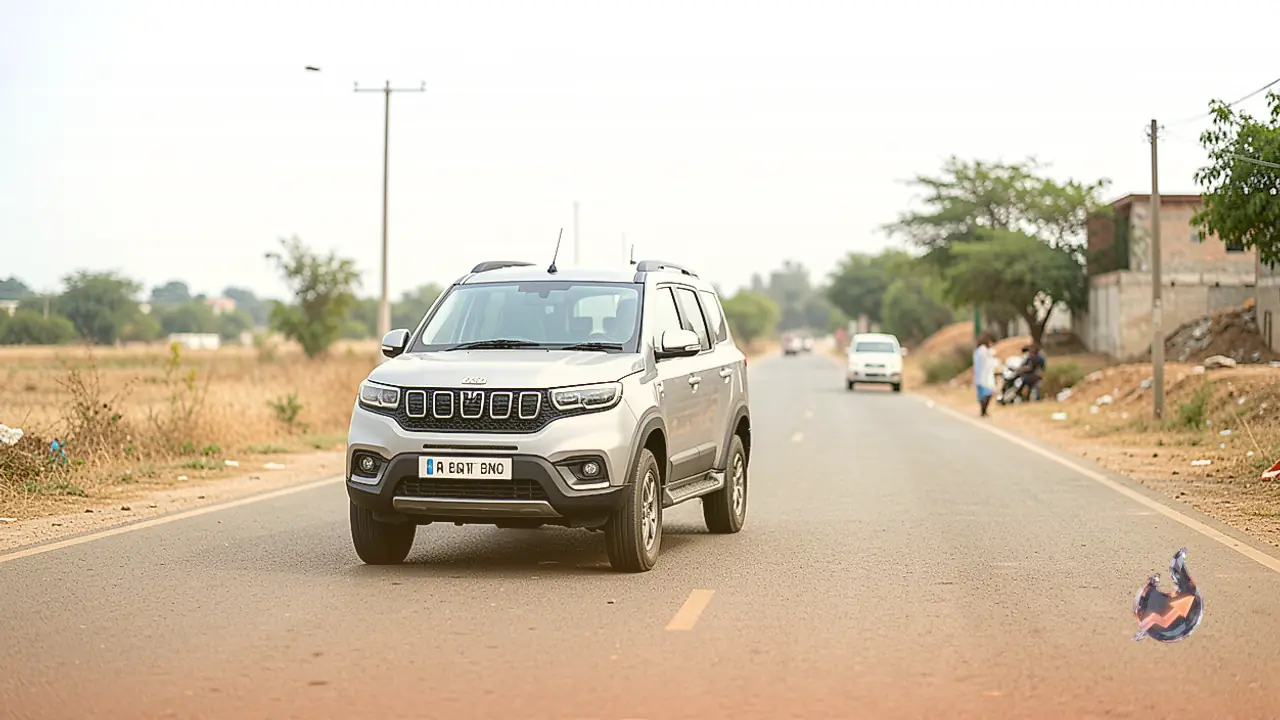




















The demand for strong hybrid vehicles in the Indian compact SUV segment is witnessing a sharp upward curve. The newly introduced Renault Duster Hybrid and the long-standing Maruti Suzuki Grand Vitara have emerged as the two primary contenders in this category. Both vehicles rely on self-charging hybrid technology and promise better fuel efficiency in dense city traffic. Choosing between them requires a careful look at their design, interior features, safety equipment, engine outputs, and mileage figures.
Pricing and Variant Lineup
When it comes to pricing, both SUVs occupy a very similar bracket in the market. The Renault Duster Hybrid starts at Rs 16.99 lakh for the Evolution trim, goes up to Rs 18.99 lakh for the Techno, and reaches Rs 19.49 lakh for the top Emotion variant, with all prices quoted as introductory and ex-showroom. Meanwhile, the Maruti Grand Vitara strong hybrid ranges roughly from Rs 16.68 lakh to Rs 19.77 lakh ex-showroom, stretching from the Delta Plus up to the Alpha Plus Opt trim. Both vehicles utilize self-charging hybrid systems designed to optimize fuel consumption during daily commutes.
Design and Cabin Space
In terms of styling, the Renault Duster Hybrid carries a much more adventurous and rugged exterior profile. Its height, wheelbase, and ground clearance of roughly 212 mm surpass those of the Grand Vitara. Distinct touches like 18-inch alloy wheels and an illuminated grille give it a unique road presence, complemented by Desert Beige or Dune Brown leatherette upholstery inside. On the other hand, the Maruti Grand Vitara presents a more premium and balanced aesthetic. While its cabin offers ample passenger space, the boot capacity in the hybrid variant shrinks to around 255 to 265 liters, whereas the Duster provides a significantly larger boot space of roughly 430 liters.
Features and Safety Equipment
Both SUVs are packed with modern conveniences inside the cabin. The Renault Duster Hybrid features a 10.1-inch touchscreen, a 10.25-inch digital cluster, a panoramic sunroof, ventilated front seats, dual-zone climate control, a powered tailgate, and a wireless charger. Standard safety features include six airbags along with rear parking sensors and a camera. The Maruti Grand Vitara counters with a 9-inch SmartPlay Pro+ touchscreen, a head-up display, a 360-degree camera, a panoramic sunroof, ventilated seats, and wireless connectivity. Safety duties are handled by six airbags, ESP, and hill hold assist, with certain reports granting the Grand Vitara favorable ratings.
Engine, Power, and Mileage
Under the hood, the Renault Duster Hybrid pairs a 1.8-liter four-cylinder petrol engine with dual electric motors to produce a combined output of 160 PS of power and 208 Nm of torque. It claims an ARAI mileage of 29 kilometers per liter and sprints from 0 to 100 kilometers per hour in about 9.6 seconds, which stands out in this segment. Conversely, the Maruti Grand Vitara features a 1.5-liter three-cylinder strong hybrid system delivering a total of 116 PS with an ARAI-rated mileage of 27.97 kilometers per liter. While the Duster takes the lead in raw power and claimed efficiency figures, the Grand Vitara relies heavily on Japanese reliability and a widespread service network.
Final Verdict and Buying Advice
Ultimately, buyers seeking higher power output, spacious interiors, and impressive mileage will find the Renault Duster Hybrid to be a compelling choice. For those who prioritize proven reliability and a well-rounded feature list, the Grand Vitara remains a solid option. Prospective buyers should schedule a thorough test drive of both models and evaluate them against their specific personal requirements and financial budget before making a final purchase.