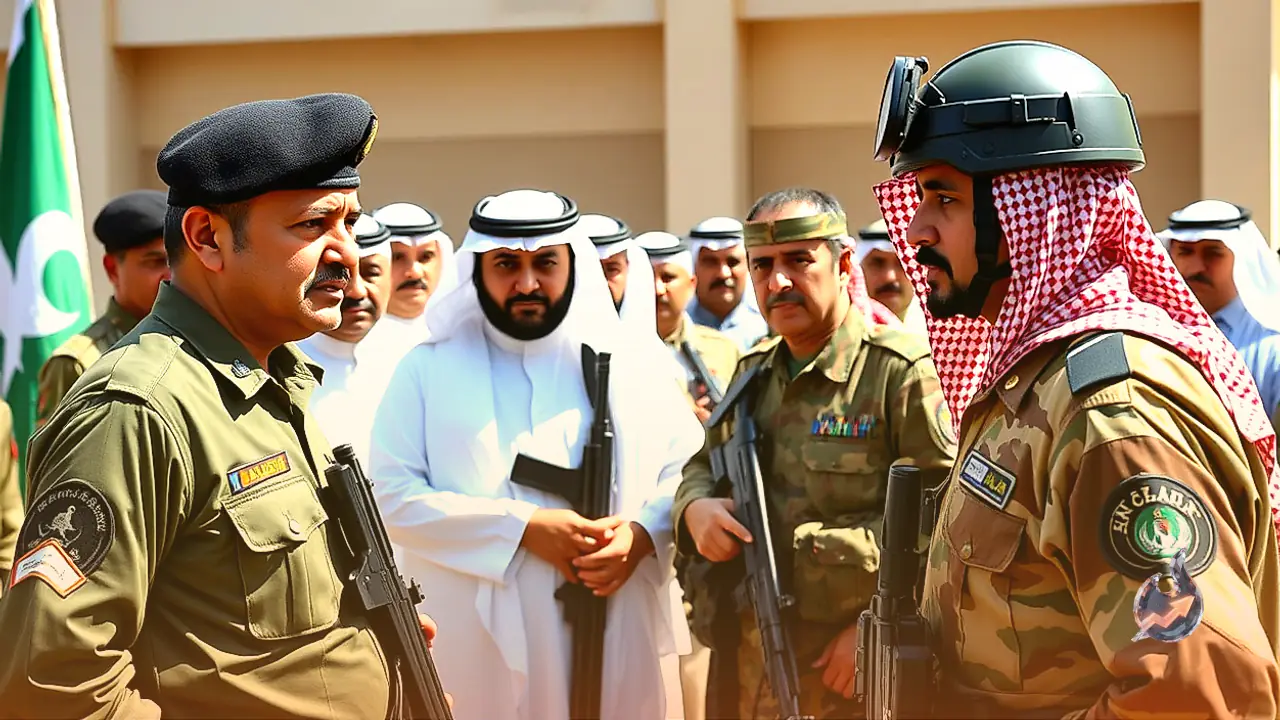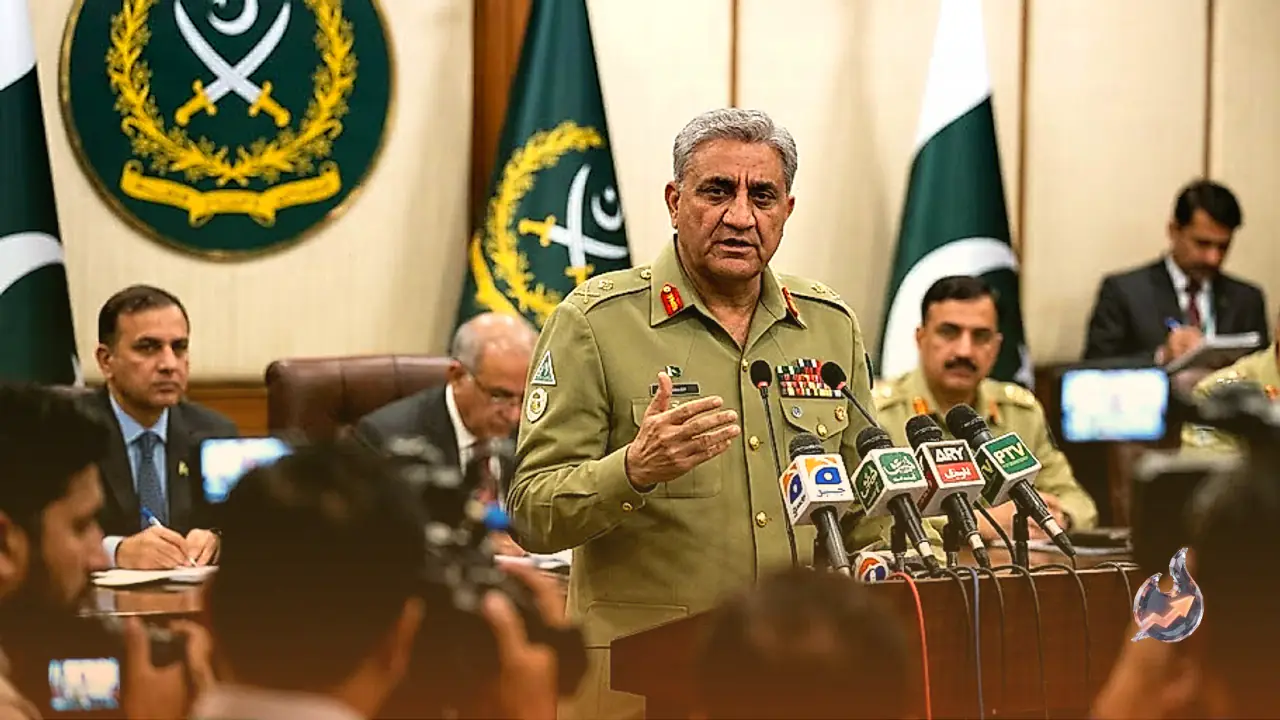




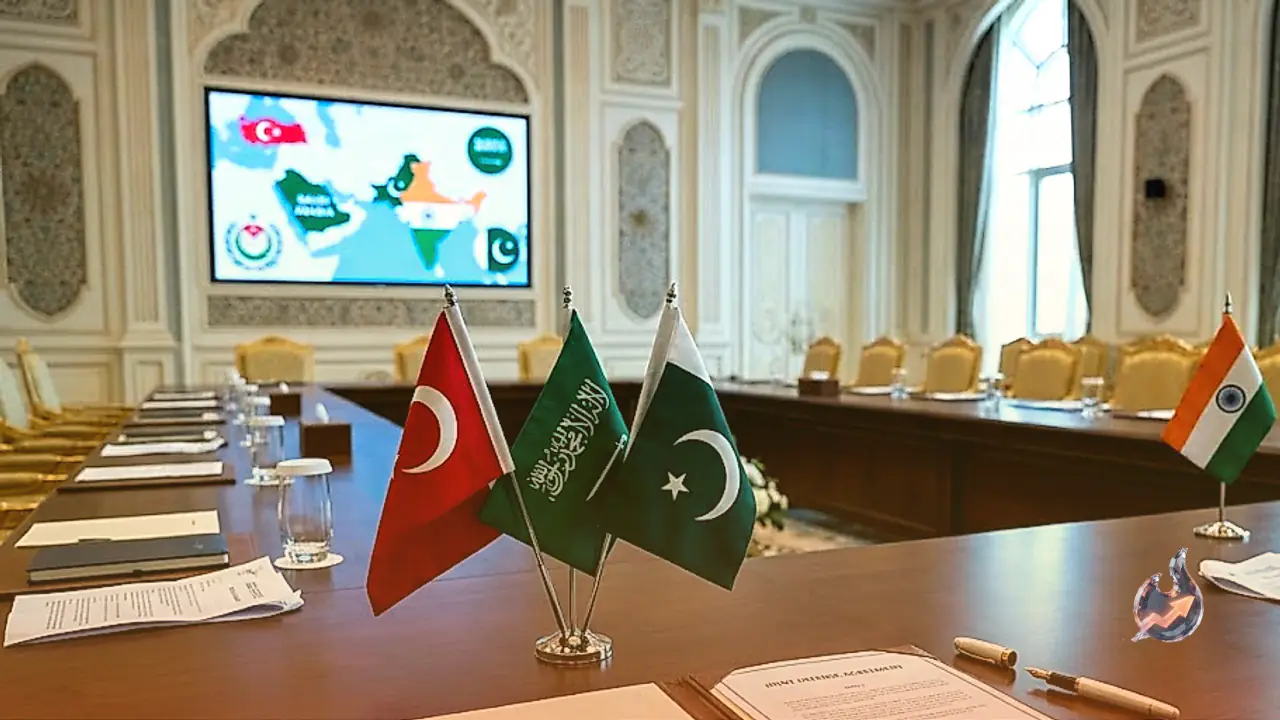

















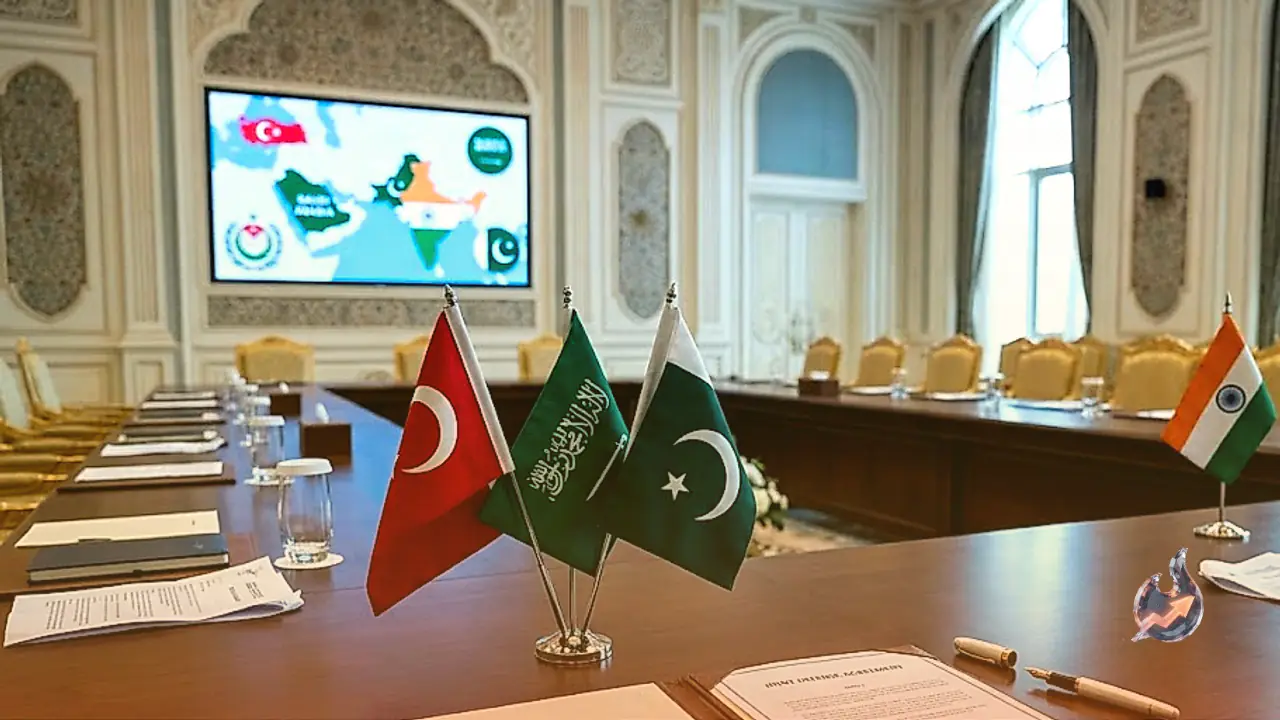

The emergence of the draft of the Makkah Defense Pact, signed between Turkey, Saudi Arabia, and Pakistan, has sparked intense debate in strategic circles. Pakistan's strategists are attempting to present this pact as a major security shield against India, highlighting various provisions within the agreement. Article 2 of the pact stipulates that an external attack on any single member state will be considered an attack on all three. However, a closer and more detailed examination of the agreement documents reveals that this pact is merely a diplomatic illusion and holds virtually no substantive weight on the ground.
The Reality and Legal Loopholes of Article 2
The documents of the Makkah Defense Pact presented in the Turkish parliament have created several misconceptions, with Article 2 being the most widely discussed clause. This provision has been modeled along the lines of the NATO Article 5 collective security assurance. According to the text of the document, an act of aggression against one will be treated as aggression against all. At first glance, this provision might appear to pose a significant military pressure for neighboring countries like India, but a closer look at the fine print reveals the exact opposite reality.
No Legal Obligation for Mandatory Military Assistance
The very next line of Article 2 leaves wide legal loopholes for member states to evade direct military involvement. According to the provisions of the agreement, the nature and extent of assistance during a crisis will be determined based on an objective assessment of needs. This directly implies that there is no legal compulsion or pressure to dispatch military forces during times of emergency. Any participating nation can choose to send only logistical supplies, medical aid, or non-military support during a conflict. Furthermore, the pact lacks any provision for a joint military command or an integrated defense force, reducing this collective security treaty to little more than a paper arrangement.
Will Saudi Arabia and Turkey Deploy Troops Against India?
No matter how much the military headquarters in Rawalpindi celebrates the signing of this pact, the harsh reality remains that no prudent nation would willingly throw its army into a war on behalf of another country. Turkey, located thousands of kilometers away, would never want to entangle itself in a direct military confrontation with a formidable power like India. Turkey's own borders remain highly sensitive regarding the situation in Syria and the Kurdish issue, with its armed forces already stretched thin across multiple fronts. On the other hand, Saudi Arabia's land army does not have a stellar historical record, and Saudi forces faced immense struggles while dealing with Houthi rebels in Yemen. Consequently, Saudi Arabia will never muster the courage to stand against India's massive and modernized military forces.
Hakkan Fidan, Foreign Minister of Turkey, Mohammad Ishaq Dar, Foreign Minister of Pakistan, and Prince Faisal bin Farhan Al Saud, Foreign Minister of Saudi Arabia, leaving after a committee meeting of the Makkah Defense Pact in Riyadh, Saudi Arabia, on October 5, 2026. (Turkish Foreign Ministry/Reuters)
How Pakistan's Ambitions on Kashmir and PoK Were Shattered
Article 1 of the Makkah Defense Pact contains a crucial clause regarding the protection of recognized borders. It explicitly states that internationally recognized borders will be safeguarded. This specific provision deals a massive legal blow to Pakistan's stated agenda on Kashmir, given that the boundary between India and Pakistan in Jammu and Kashmir is not an international border but the Line of Control, or LoC. If India undertakes significant military operations within Pakistan-administered Kashmir in response to cross-border terrorism, it will not be considered a violation of an international border. India retains the full prerogative to act within its sovereign boundaries, and Article 2 of the Makkah Defense Pact cannot be invoked to rescue Pakistan in such a scenario.
Saudi Arabia's Deep Economic and Strategic Ties with India
The bilateral relations between Saudi Arabia and India have reached a pinnacle where external agreements of this nature cannot create any cracks. India has emerged as Saudi Arabia's second-largest trading partner, with bilateral trade between the two nations exceeding 40 billion dollars annually. For Saudi state-owned energy giant Aramco, India represents the largest and most stable energy market in the world. Saudi Crown Prince Mohammed bin Salman aims to transition his nation away from oil dependence, and his ambitious Vision 2030 heavily relies on Indian technological expertise and a skilled workforce. Additionally, the proposed India-Middle East-Europe Economic Corridor is fundamentally anchored on strong cooperation with India.