






















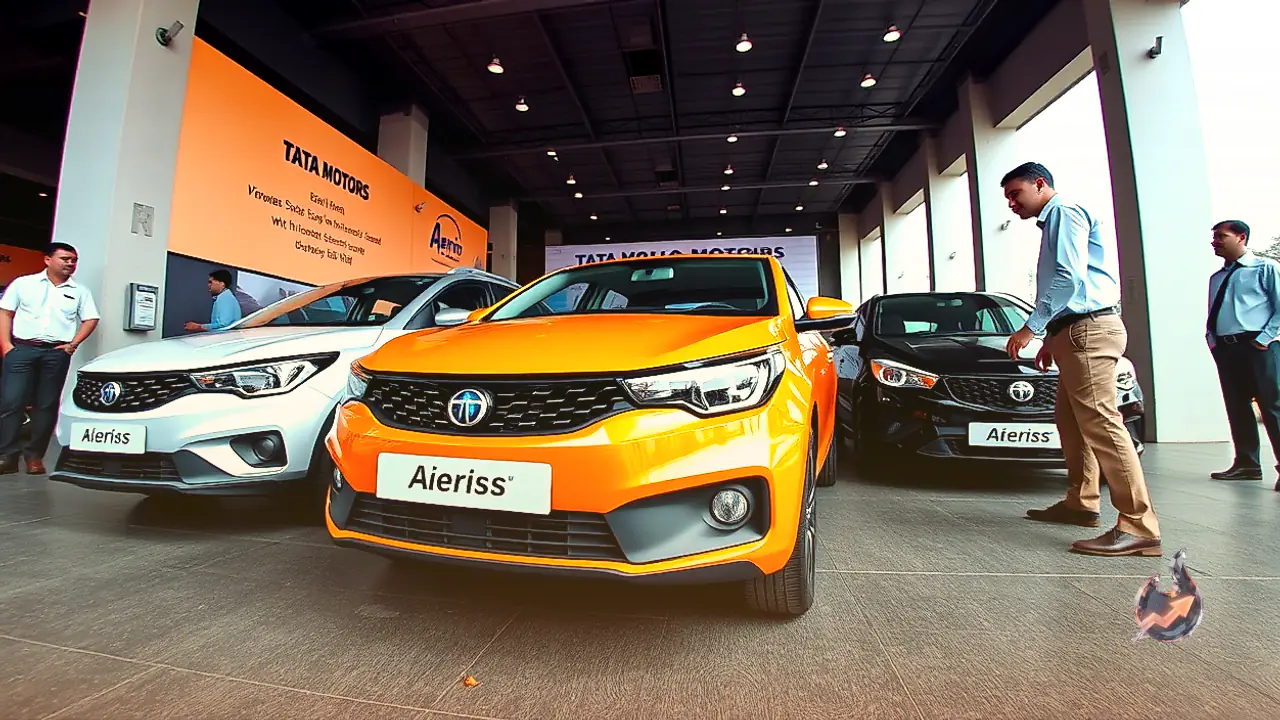

Tata Motors has reimagined its sub-compact sedan portfolio by bringing out the refreshed Tigor under an entirely new nameplate, the Tata Aeris. Moving away from the commercial taxi fleet image, the automaker has established a clear retail boundary by reserving this model exclusively for private individual car buyers. Positioned as a direct generational successor to the outgoing Tigor, the Aeris arrives with substantially more sophisticated equipment, upgraded styling, and enhanced cabin convenience.
Base Variant Pricing and On-Road Calculation in Delhi
Aiming directly at budget-conscious personal mobility shoppers, the base model of this sedan carries an introductory ex-showroom price tag of Rs 5,29,990. However, the final expense incurred by a buyer upon driving it off the showroom floor encompasses additional statutory registrations and insurance charges. In the National Capital Territory of Delhi, registering the entry-level variant requires an RTO charge of Rs 47,699. Adding the mandatory first-year comprehensive motor insurance premium of Rs 31,713 pushes the final on-road acquisition cost in Delhi to Rs 6,09,402.
Down Payment Scenarios, Bank Finance and Monthly Installments
Prospective purchasers planning to acquire the vehicle through bank financing can structure their payment plans based on typical lending terms. If a buyer puts down an initial upfront cash margin of Rs 1,00,000, the remaining balance of Rs 5,09,402 needs to be secured via an automotive loan. Given a healthy personal credit score and stable verifiable earnings, banks typically offer auto loans at an annual interest rate of around 10 percent.
Under a conventional tenure of 5 years, comprising 60 monthly installments, an interest rate of 10 percent translates into a monthly EMI commitment of Rs 10,823. Over the full five-year lifecycle, the total repayment disbursed across these 60 installments totals Rs 6,49,397. When combined with the initial Rs 1,00,000 cash down payment, the comprehensive acquisition cost of the base variant stands at Rs 7,49,397 including interest charges. Financially, individuals earning a steady monthly household salary between Rs 40,000 and Rs 50,000 without substantial preexisting debt liabilities can comfortably manage this recurring monthly outflow of Rs 10,000 to Rs 12,000. Potential buyers should note that local taxes, insurance add-ons, and dealership documentation fees can lead to minor variations across different cities and regions.
Cabin Appointments, Convenience Technologies and Boot Space
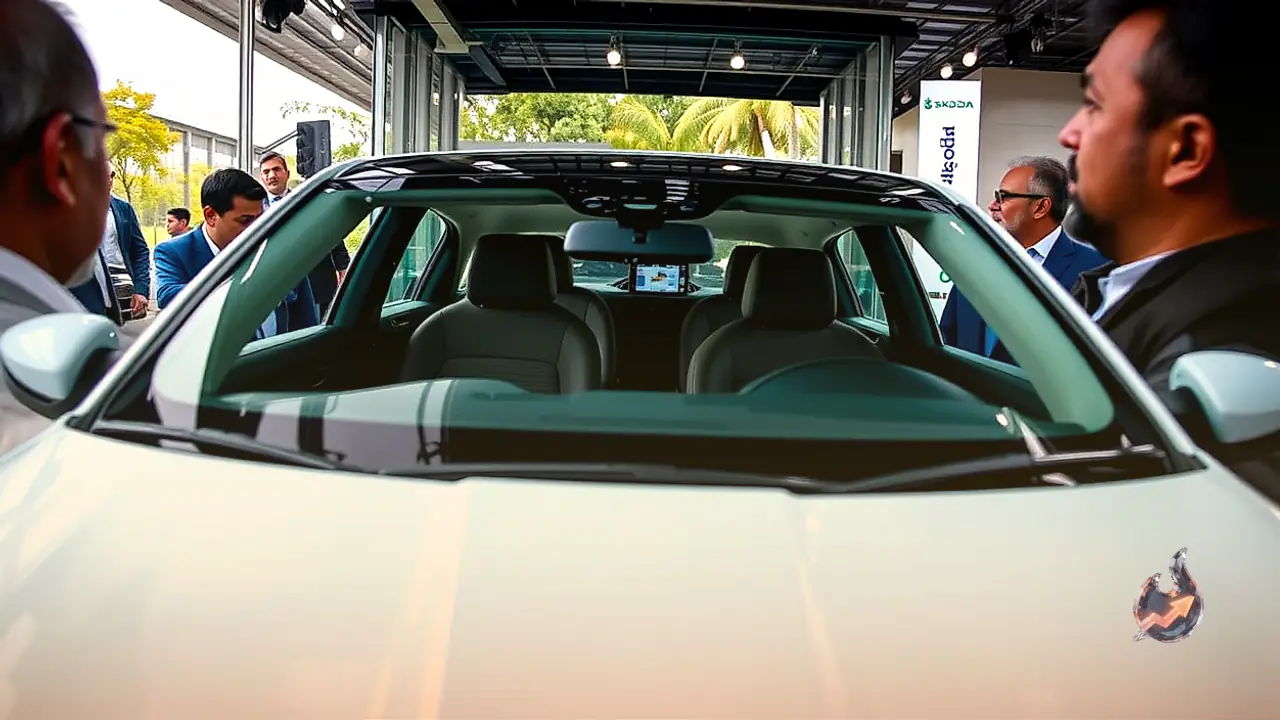
Inside the cabin, the dual-tone interior architecture shares visual continuity with the Tiago hatchback lineup. The entry-level specification comes furnished with fabric seat upholstery, manual air conditioning, and a 12.7 cm digital driver display cluster. Ascending to the higher trim levels unlocks more upscale conveniences, highlighted by a large 26 cm central touchscreen infotainment system supporting wireless Apple CarPlay and Android Auto connectivity. Additional cabin amenities include ventilated leatherette seating, dedicated air conditioning vents for rear occupants, a wireless smartphone charging dock, high-speed 65W Type-C power outlets, and a contemporary rotary gear selector dial on automatic iterations.
Driver assistance and comfort are supplemented by cruise control, automatic temperature control, rain-sensing front wipers, and proprietary iRA connected vehicle software. Maneuvering through narrow urban lanes is assisted by a blind view monitor and a comprehensive 360-degree surround camera arrangement complete with built-in dashcam recording capability. Practicality remains a strong suit, with the standard petrol configuration delivering 419 liters of luggage volume, while the factory CNG setup retains around 227 liters of cargo storage despite housing the fuel cylinder.
Powertrain Configurations, Fuel Economy and Transmission
Mechanical choices mirror proven internal combustion hardware across two fuel selections. The primary choice is a 1.2-liter Revotron three-cylinder petrol motor rated to deliver 86 PS of peak power alongside 113 Nm of torque. Buyers prioritizing running expenses can opt for the dual-fuel iCNG variant, which produces 75.5 PS of power and 96.5 Nm of torque in gas mode. Both engine packages can be paired with either a standard 5-speed manual transmission or a 5-speed automated manual transmission (AMT). On the fuel economy front, the petrol trim delivers approximately 19 to 20 kmpl, whereas the CNG setup returns an estimated 28 km/kg.
Standard Safety Suite and Variant Upgrades
Structural and active occupant protection receives notable attention across the entire lineup. Tata Motors has fitted 6 airbags, anti-lock brakes with electronic brake-force distribution (ABS with EBD), ISOFIX anchorage points for child safety seats, rear ultrasonic parking sensors, and seatbelt reminders across all seating positions as standard factory equipment on every trim. Moving up to the Pure+ trim and higher tiers adds electronic stability program (ESP), hill-hold assist to prevent rollback on steep inclines, and a tyre pressure monitoring system (TPMS).