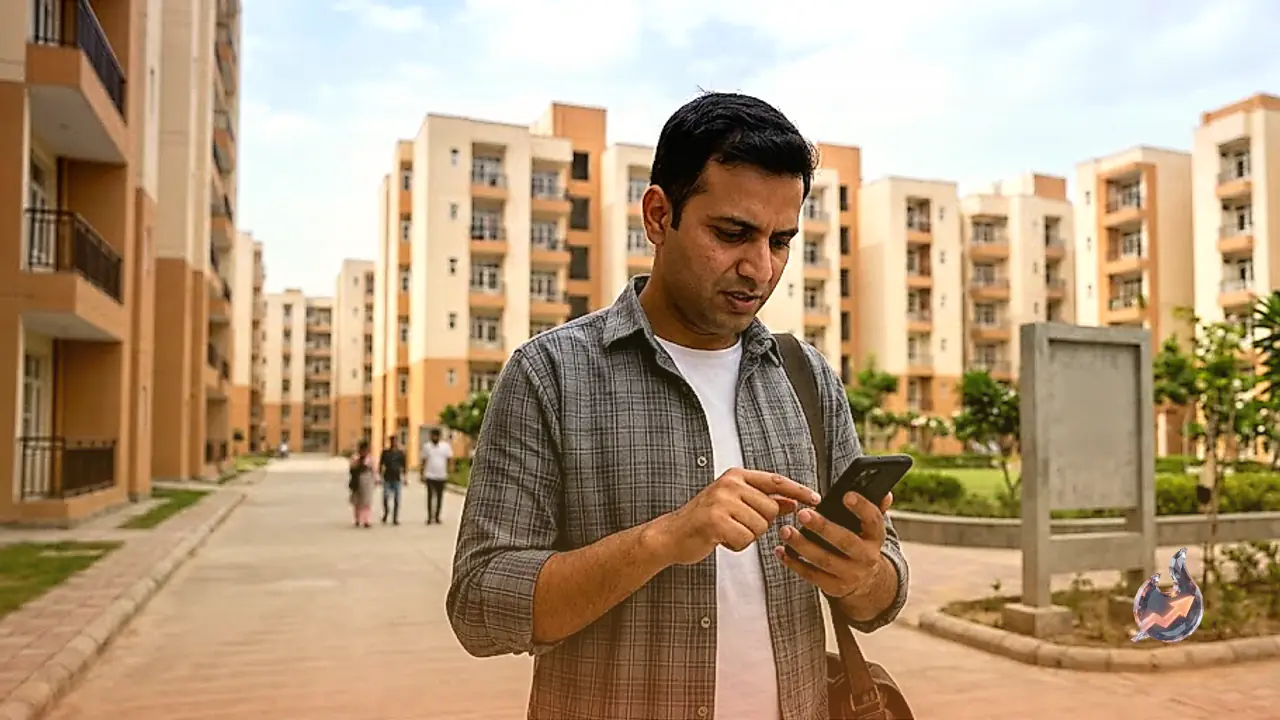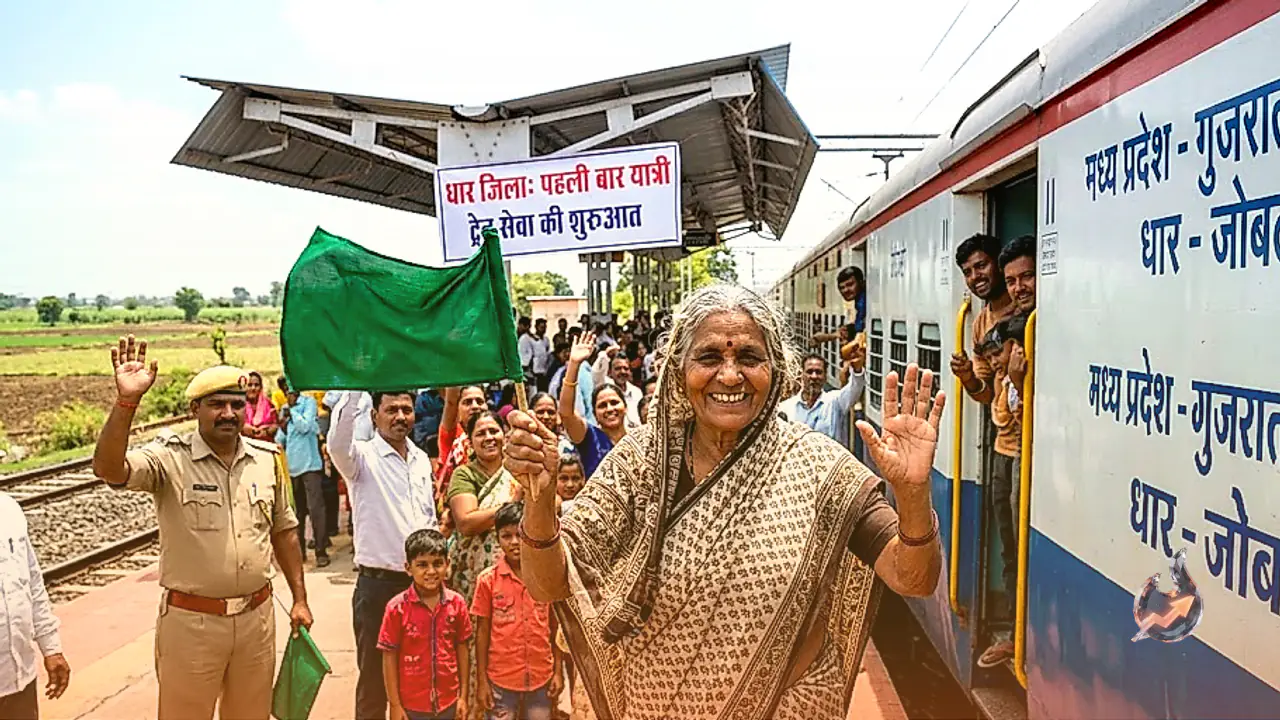






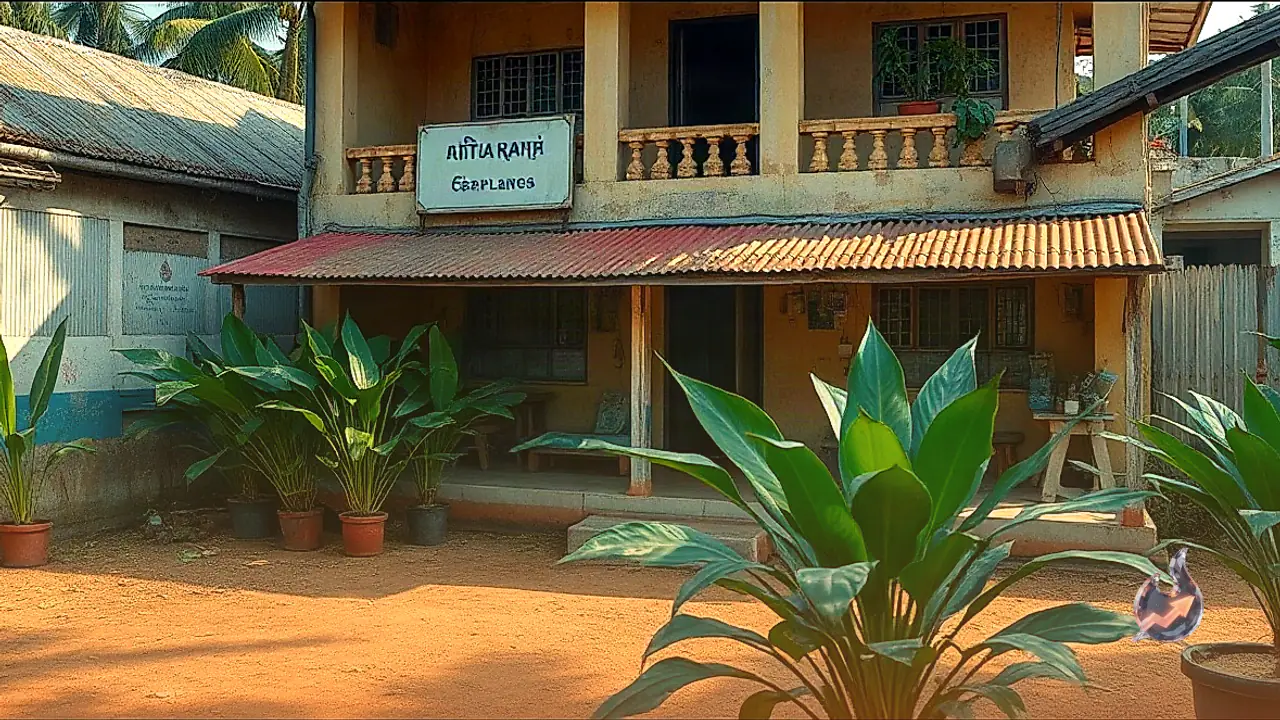
















Government initiatives aimed at providing permanent housing to underprivileged populations are making significant headway in Amethi district through the Pradhan Mantri and Mukhya Mantri Awas Yojana in both rural and urban areas. While many citizens previously missed out on these benefits due to a lack of awareness regarding application procedures, administrative drives are now actively informing local residents and enrolling eligible beneficiaries to ensure that no deserving family remains without a sturdy roof over their head.
District Survey Scale and Tehsil-wise Reach
The administrative reach extends across all four sub-divisions of Amethi district, namely Musafirkhana, Gauriganj, Amethi, and Tiloi. To date, more than 82,000 families in these four tehsils have successfully been brought under the umbrella of the housing program. Government machinery continues to run ongoing field surveys to identify every homeless household or family residing in temporary shelters.
Project Officer Aishwarya Yadav shared key figures regarding the comprehensive survey conducted in 2025 across the entire district. Out of 1,22,000 total people surveyed, official verifications determined that 99,000 individuals met all required criteria and were formally included in the beneficiary pool. Conversely, 23,000 applicants who failed to satisfy the eligibility norms were removed from the official roster to maintain absolute transparency and prioritize genuine applicants.
Eligibility Criteria for Government Housing
To prevent misuse and guarantee that state aid reaches the truly needy, strict eligibility parameters have been mandated. Applicants must not possess a pre-existing pucca house, nor should any family member hold a government job at present or in the future. Furthermore, individuals who have previously availed benefits under any central or state housing scheme are rendered ineligible for fresh assistance.
Application Procedure and Required Documents
Securing assistance under the scheme requires submission of details through the local Gram Pradhan. Applicants must furnish a complete set of identity and property verification records. The mandatory documentation includes the applicant's Aadhaar card, ration card, bank passbook, Khatauni (land ownership records), and an active mobile phone number. Passing these baseline document checks is mandatory before any financial allocation or construction grant is approved.
Verification Mechanism and Final List Publication
The selection process follows a multi-tiered verification strategy designed to eliminate irregularities. Initial field assessments are conducted on-ground by dedicated government personnel who inspect physical living conditions, identifying individuals who lack proper housing or are forced to stay in rented premises elsewhere. Following the preliminary audit, a secondary verification round is conducted to cross-check the accuracy of the initial field findings.
Once the secondary review is completed and the final list of beneficiaries is finalized, the names are publicly displayed on notice boards at local Panchayat Bhawans. This public posting allows complete transparency, enabling community members to inspect the chosen candidates and ensure that only rightful residents are inducted into the scheme.
Relief for Families Facing Seasonal Hardships
For long-time residents struggling against severe weather conditions, inclusion in the housing scheme has brought immense relief. Ramdhani Yadav, a beneficiary who spent years in a vulnerable dwelling, explained that rainwater used to flood his living quarters every monsoon due to the absence of a solid roof. Being added to the official housing list has ended years of seasonal distress and uncertainty for his household.
Similarly, Seema Devi, a resident of Baisada village in Amethi district, recounted her journey toward obtaining a home. Having submitted her application roughly one and a half to two years ago, she recently received her formal housing sanction. She noted that living in dilapidated arrangements caused extreme difficulties during heavy rains, but having a permanent house constructed under the government initiative has permanently resolved those challenges.