
























Enrolment has commenced for the Delhi government's Lakshmi Scheme, designed to provide eligible women with a direct financial transfer of ₹2,500 per month. Beneficiaries aiming to secure this regular assistance are encountering an extensive and unconventional list of qualification criteria that go well beyond ordinary administrative paperwork. While public welfare programs generally focus on standard identity documents and income verification, the operational framework established for this initiative ties cash disbursements directly to domestic healthcare practices and broader public pledges.
Complete Child Vaccination and Mandatory HPV Inoculation for Teen Girls
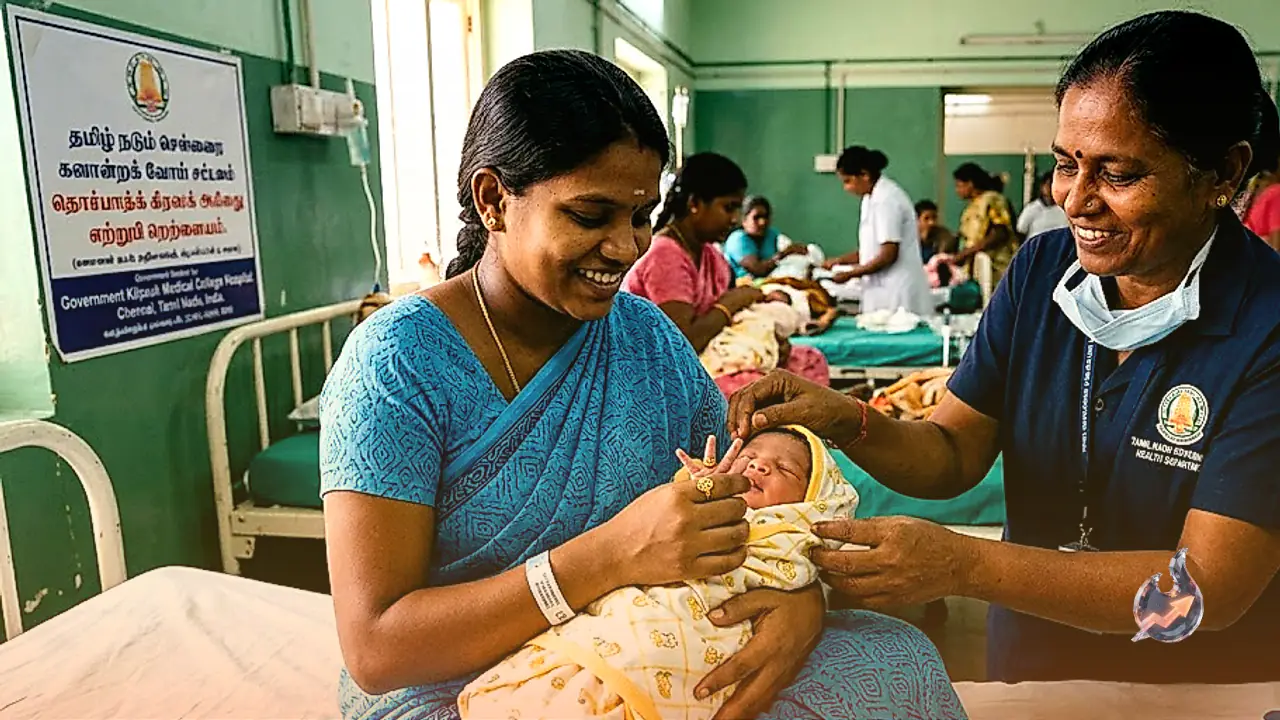
Under the newly outlined standard operating procedure, an applicant can qualify for financial assistance only if every child in her household is fully immunised. Furthermore, households with daughters older than 14 years must guarantee that they have received the human papillomavirus vaccine. Public health initiatives across India have historically kept immunisation voluntary, leaving even pandemic-era vaccinations optional. Linking a state social assistance program directly to mandatory childhood vaccination records represents an unprecedented policy shift.
Digital Pledges for Environmental Conservation and Cleanliness Drives
Health compliance is not the only non-financial obligation imposed on prospective applicants under the program. The operating rules require women to formally complete online commitments aligning with specific civic and ecological causes. The registration process necessitates taking digital pledges for national campaigns such as the 'Ek Ped Maa Ke Naam' tree-planting initiative, the Swachh Bharat Abhiyan, and an active boycott of single-use plastics before a submission can be considered valid.
Unconditional Consent for Administrative and Banking Data Sharing
Applicants must also navigate substantial data-sharing requirements as part of the formal application protocol. To enrol in the program, women are required to provide unconditional consent for the government to share their personal details with other administrative authorities, banking partners, and relevant program stakeholders. The stated objective behind this mandatory data integration is to facilitate seamless monitoring, ensure institutional evaluation, and verify beneficiary legitimacy across official channels.
Pending Clarity on Physical Verification Mechanisms
Although detailed eligibility requirements have been introduced, practical ambiguities remain regarding how local administrators will audit compliance on the ground. The current guidelines do not specify the exact operational procedure for confirming a family's vaccination claims. It remains unresolved whether mothers must produce physical immunisation cards before reviewing officers or if submitting a self-attested declaration form will suffice to release the monthly benefit.