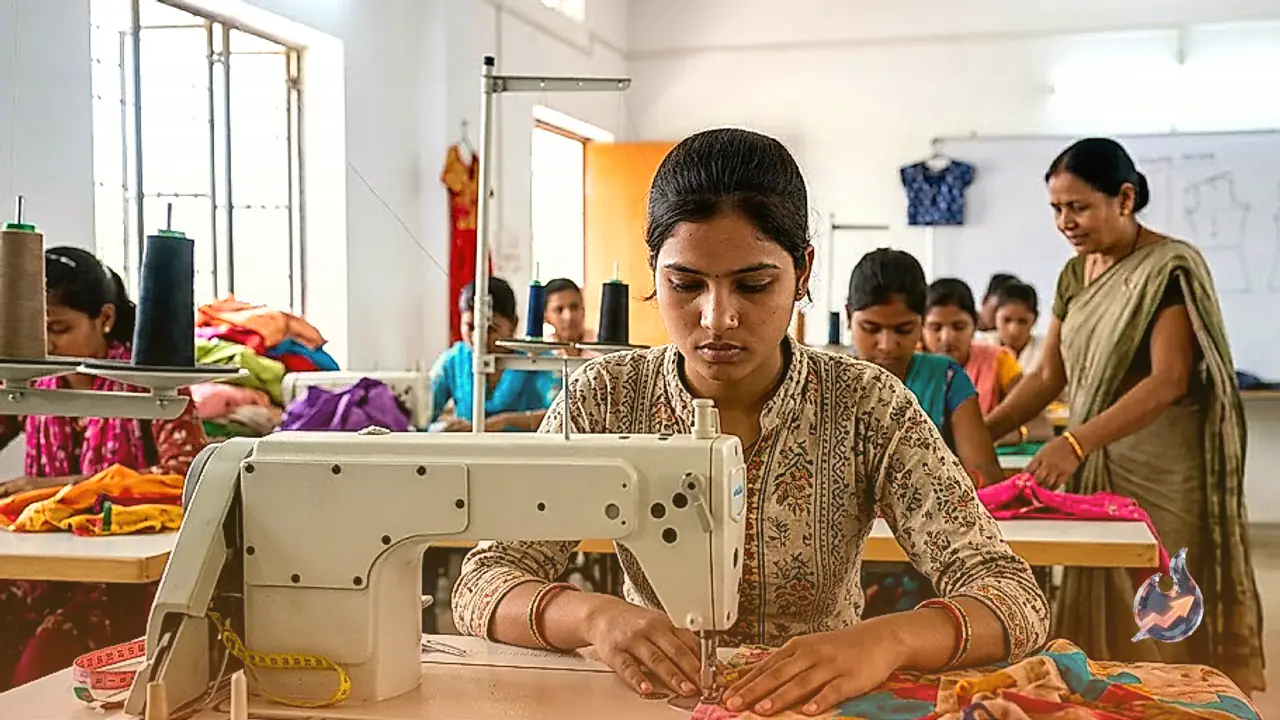




















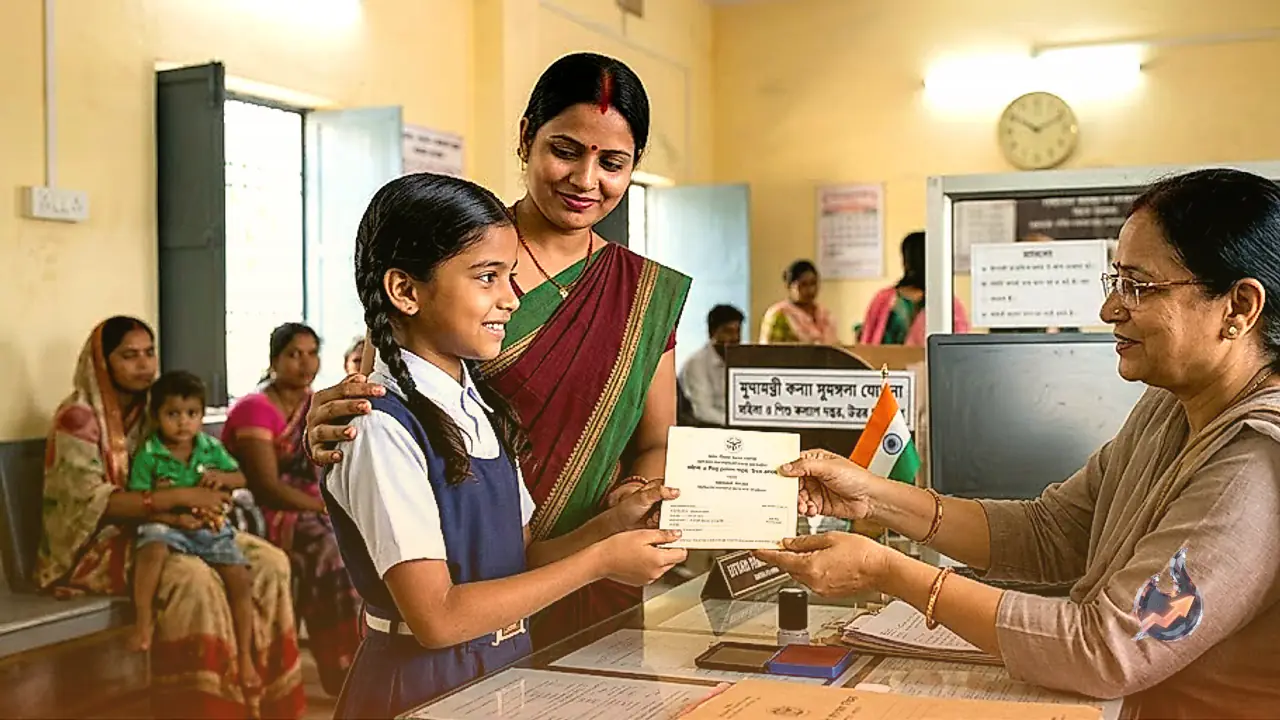

The Women Welfare Department is implementing the Mukhyamantri Kanya Sumangala Yojana across Uttar Pradesh to support the health, education, and overall development of girls. The flagship initiative aims to make daughters self-reliant by providing structured financial assistance from birth through higher secondary and diploma education. In Moradabad district, eligible families are actively receiving benefits under the program to secure a brighter academic future for their daughters.
Eligibility Criteria and Family Norms
The state government has established clear guidelines to ensure the scheme reaches needy households. According to District Probation Officer Monika Rana, Mukhyamantri Kanya Sumangala Yojana is a major welfare scheme designed to empower girls. Under the program rules, a maximum of two daughters per family can receive financial benefits. However, an exception is made in cases where a second birth results in twin girls, allowing all three daughters in the family to avail themselves of the scheme's benefits. Additionally, the annual income of the beneficiary family must not exceed 3 lakh rupees.
Financial Assistance Breakdown Across 6 Installments
Under the initiative, eligible girls receive total financial assistance of 25,000 rupees disbursed across six distinct growth and education milestones
- Stage 1: 5,000 rupees is granted at the time of the girl child's birth.
- Stage 2: 2,000 rupees is disbursed upon the completion of full immunization.
- Stage 3: 3,000 rupees is provided when the girl gets admitted to Class 1.
- Stage 4: 3,000 rupees is released upon admission to Class 6.
- Stage 5: 5,000 rupees is allocated on admission into Class 9.
- Stage 6: 7,000 rupees is disbursed when the student passes Class 10 and enrolls in Intermediate (Class 11) or a recognized diploma course.
Online Application Requirements and Documents
The entire application mechanism operates through a digital workflow. Applicants must submit essential documentation based on the student's academic level. If the girl child is studying in Class 1, 6, 9, or a diploma course, required paperwork includes an official school enrollment certificate, the child's Aadhaar card, valid bank account details, and an income certificate of the parents.
Verification Process and Direct Benefit Transfer
Submitted applications undergo a systematic two-tiered verification process. Applications from rural areas are scrutinized at the block level, while urban submissions are verified via the official SDM portal. Following initial verification, the files reach the District Probation Office for thorough cross-checking. Once approved, they are forwarded to the head office, and the financial assistance is transferred directly into the beneficiary's bank account through Direct Benefit Transfer (DBT).