








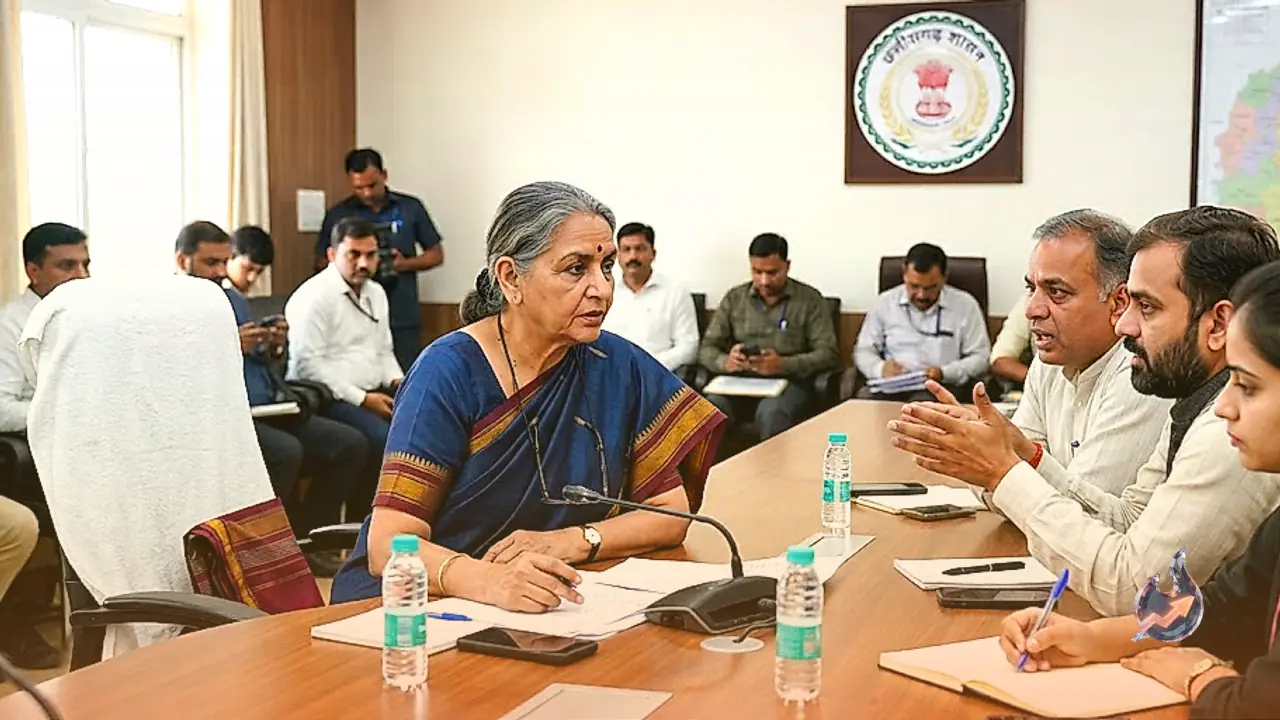














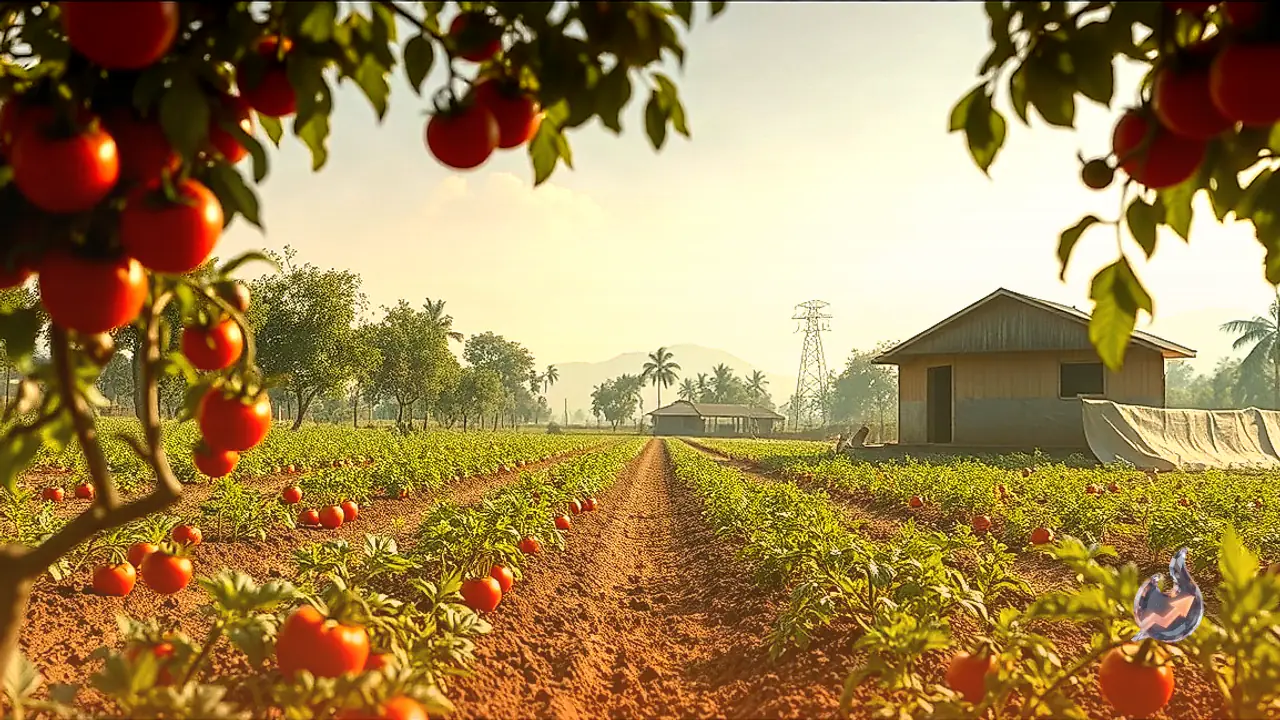

In Chhattisgarh's Balod district, the Horticulture Department is actively encouraging local farmers to adopt commercial tomato cultivation through dedicated financial incentives and technical guidance. To assist growers in maximizing their yields, departmental officer Sanjay Kumar Jangde highlighted that careful field selection, thorough soil preparation, and the use of certified quality seeds are crucial steps prior to planting. By implementing scientific agricultural practices, farmers can improve crop quality while significantly boosting their seasonal earnings.
₹24,000 Financial Grant and Operational Support
Under various schemes run by the Horticulture Department, eligible farmers cultivating tomatoes over an area of one hectare can receive a grant of approximately ₹24,000. Beyond direct crop subsidies, the department is also extending financial assistance for modern field setup methods. This includes subsidy provisions for installing plastic mulching to manage weeds and conserve soil moisture. Additionally, scheme benefits cover stacking infrastructure, where farmers use bamboo posts and ropes to support climbing crop varieties.
Hybrid Seed Selection and Drip Irrigation Benefits
Choosing high-grade hybrid seeds is emphasized as a foundational requirement for securing a healthy harvest. Departmental recommendations suggest using recognized commercial seeds from established producers such as Syngenta, Saho, Namdhari, and VNR. To manage water application efficiently, experts strongly advise installing drip irrigation systems. Drip systems deliver precise moisture directly to plant roots, leading to substantial water savings, enhanced fruit development, reduced disease exposure, and an estimated yield increase of around 10 percent.
Crop Care Through Mulching and Stacking Techniques
Field management techniques like mulching offer practical solutions for weed control without heavy manual labor, helping preserve soil nutrients for the crop. For vine or indeterminate tomato varieties, vertical stacking is considered essential. Supporting the plants with bamboo structures ensures uniform spacing and allows sufficient exposure to sunlight and airflow. This keeps the developing fruit off the damp ground, lowering rot risks and facilitating easier harvesting.
Monsoon Pest and Disease Prevention Strategies
Rainy weather conditions often increase humidity levels, elevating the risk of fungal and bacterial infections in tomato fields. Immediately following rainfall, crops become vulnerable to powdery mildew and downy mildew, requiring timely treatment with recommended fungicides. For instances of bacterial blight, applications of Copper Oxychloride are advised. Furthermore, controlling sucking pest infestations calls for using specified agricultural chemicals like Imidacloprid 70 percent. Farmers are urged to monitor their fields regularly and apply chemical treatments strictly according to expert advice and prescribed dosages.