


















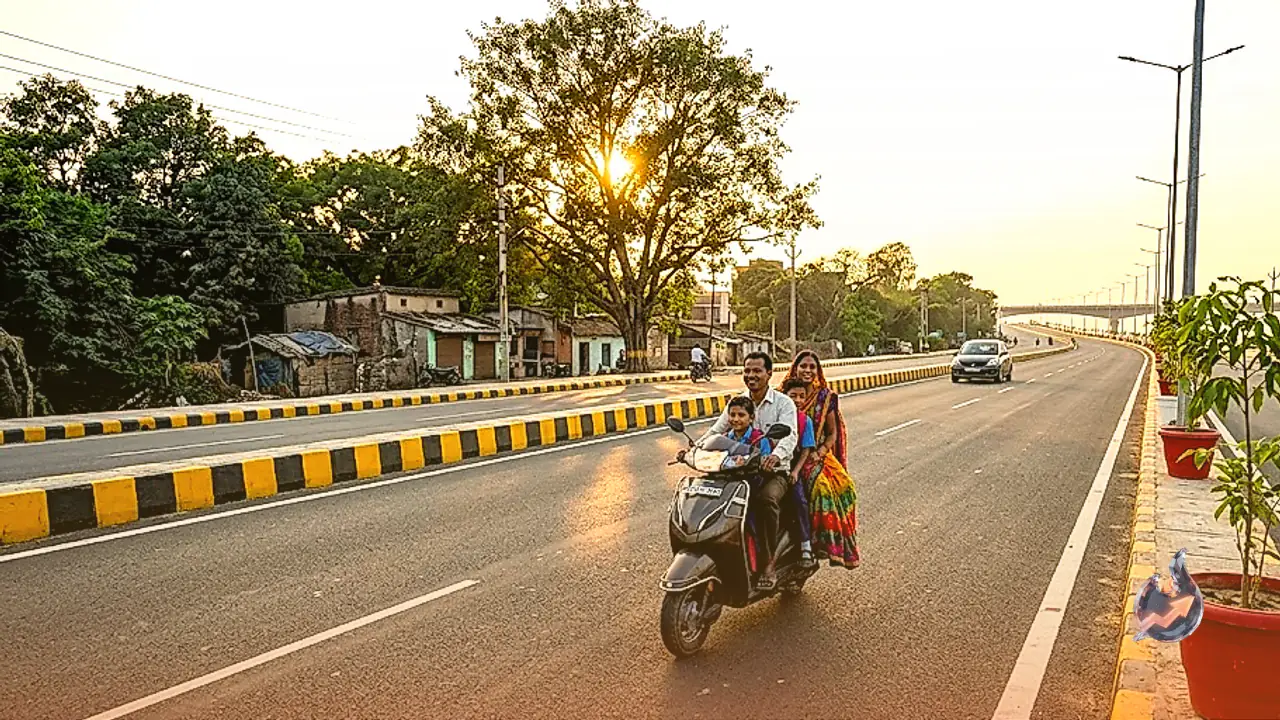

For several decades, the residents of the Mandiri locality in the heart of Bihar's capital city, Patna, lived an absolute nightmare. A massive, uncovered drainage canal ran right through the middle of the neighbourhood, turning daily life into a relentless struggle. The foul stench emanating from the black, untreated sewage made it nearly impossible to breathe freely, forcing pedestrians to cover their noses while walking by. However, the situation is completely different today. The dark, disease-breeding canal has been successfully buried, and in its place stands a brand-new, modern four-lane highway. This massive infrastructure upgrade has entirely transformed the urban landscape of the Bankipur assembly constituency, bringing immense relief to thousands of locals who had almost given up hope for a better living environment.
The Monsoon Misery and Health Hazards
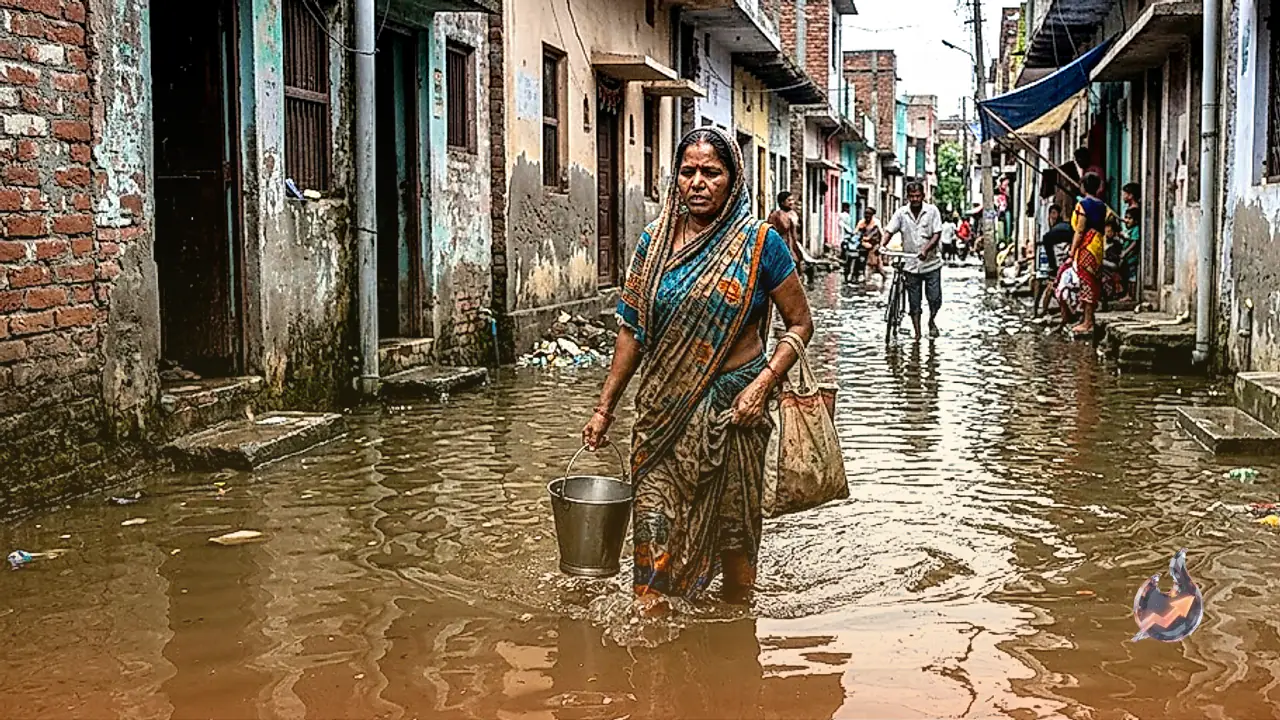
Before this road construction project was executed, the monsoon season used to be a terrifying period for the families residing near the canal. Heavy rainfall would rapidly cause the drain to overflow, pushing raw sewage and filthy water directly into the courtyards and ground floors of adjacent houses. This regular flooding destroyed household goods and left behind a thick layer of toxic sludge. Furthermore, the stagnant water served as a massive breeding ground for dangerous mosquitoes. Deadly vector-borne diseases like dengue and malaria became permanent, unwelcome guests in almost every household during the rainy months. The physical danger was equally severe. Because there were no proper safety barriers, severe accidents were a routine occurrence. Unsuspecting pedestrians, two-wheelers, and even larger vehicles would frequently slip and tumble directly into the deep, sludge-filled trench.
Real Estate Stigma and the Cry for Help
The horrific living conditions had heavily stigmatized the entire neighborhood. Despite being centrally located in urban Patna, Mandiri became an extremely undesirable address. Families looking for accommodation actively avoided the area, and landlords struggled to find tenants even at heavily discounted rental rates. The residents felt isolated and ignored by the civic administration. Navigating the narrow, broken pathways next to the open sewer was a daily ordeal that tested their patience and resilience. The continuous exposure to toxic fumes and the constant fear of disease outbreaks took a heavy toll on the mental and physical well-being of the community.
A Promise Kept: The Navin Kishore Sinha Path
The turning point for the locality arrived when the local Bankipur Member of the Legislative Assembly, Nitin Nabin, took serious notice of the crisis. Recognizing the urgent need for a permanent solution, the then-minister made a firm public commitment in 2020 to eradicate the problem. By 2021, he had successfully pushed the proposal through, and the then-Chief Minister officially laid the foundation stone for an ambitious engineering project. The bold plan involved fully enclosing the flowing drain and constructing a reinforced, high-capacity four-lane surface road directly on top of it. Fast forward to 2026, and the Navin Kishore Sinha Path is now fully operational. Vehicles are zooming smoothly over the very spot that was once a festering public health hazard.
Seamless Connectivity to the JP Ganga Path
The newly inaugurated road is not just an aesthetic upgrade; it is a critical piece of Patna's expanding traffic network. Starting from the Kali Temple near Bans Ghat, the four-lane stretch runs flawlessly all the way to the bustling Income Tax Golambar. The corridor has been meticulously designed with bright streetlights, clearly marked lanes, and lush green saplings planted along the edges. More importantly, it provides commuters with a highly efficient, direct approach route to the iconic JP Ganga Path, locally famous as the Ganga Drive. This strategic link has significantly slashed travel times, allowing motorists to bypass heavily congested inner-city routes and reach the riverside expressway in a matter of minutes.
Locals Rejoice Over the Historic Transformation
The people who endured the worst of the historic neglect are now the biggest beneficiaries of this urban renewal. Tejwini Mahto, a long-time resident of the area, recalled the grim past. "The drain used to overflow into our homes during rains, but today our biggest problem is completely resolved," Tejwini Mahto noted. The change in perception is also striking. Pradeep Kumar, another local, pointed out that the locality has shed its old, negative identity. "Earlier, Mandiri was synonymous with a foul drain, but now it represents wide roads and real development," Pradeep Kumar observed, also praising the ongoing construction of the double-decker flyover on Ashok Rajpath for easing severe traffic bottlenecks.
A Debt of Gratitude
For many, the construction of this highway feels like a personal liberation. The sheer contrast between the past squalor and the present modernity is a constant topic of conversation at local tea stalls and community gatherings. Himanshu, summarizing the collective sentiment of the neighborhood, emphasized the sheer magnitude of the relief. "We lived in hellish conditions despite being in urban Patna, and we will forever remain indebted to Nitin Nabin for this massive relief," Himanshu stated. As the Bankipur region continues to witness rapid infrastructural upgrades, the burying of the Mandiri canal stands out as a prime example of how targeted political will and modern engineering can completely rewrite the destiny of a struggling neighborhood.