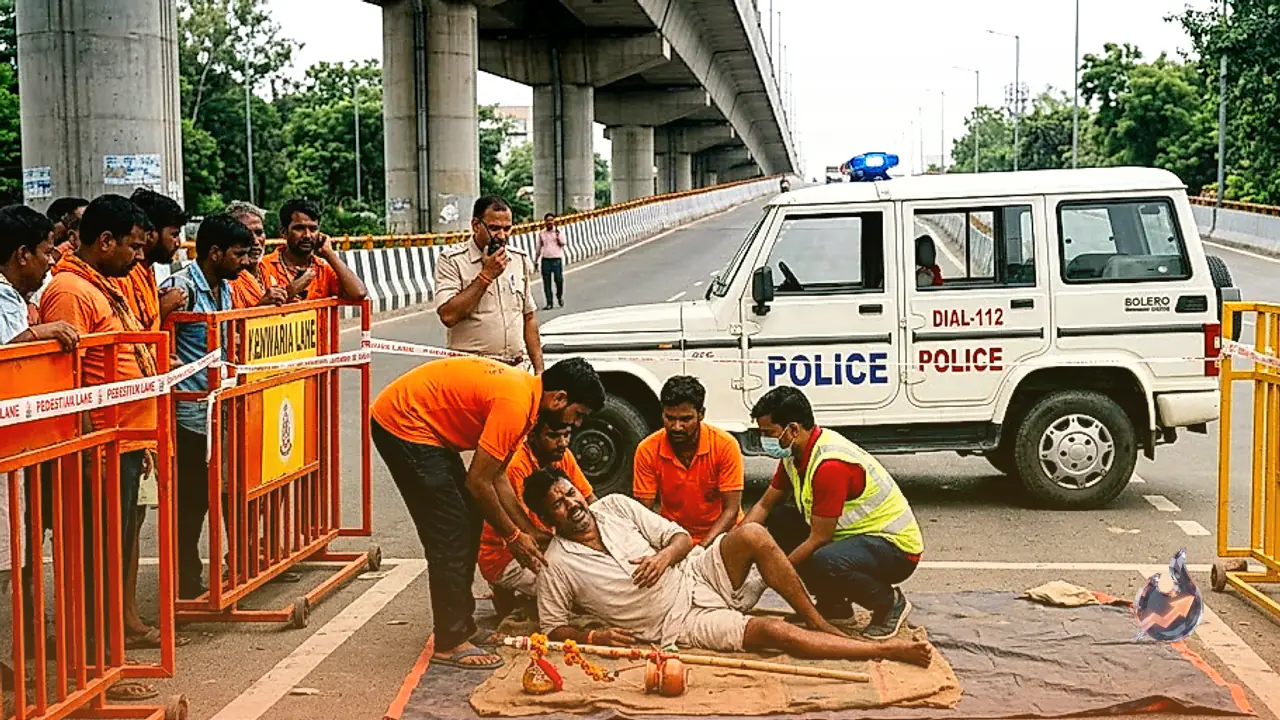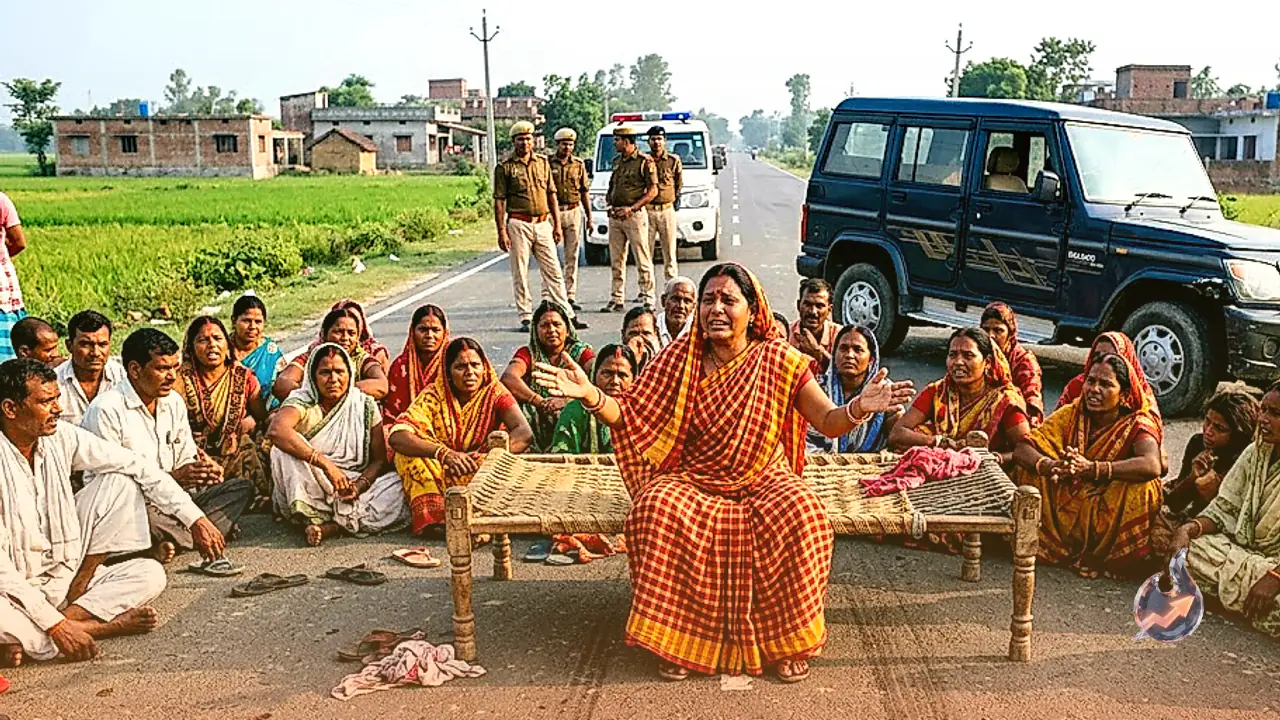






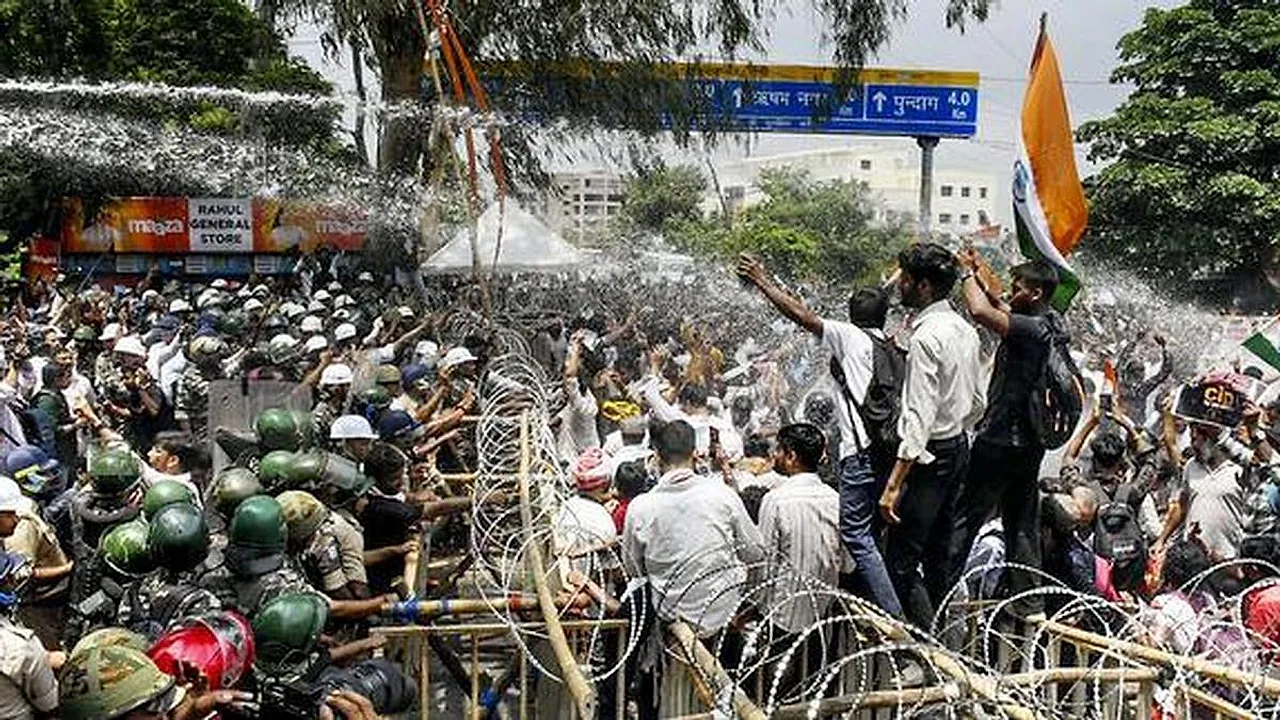















The encounter killing of a young man named Bharat Tiwari in Bihar has once again put the entire police system in the dock. Some are questioning this style of delivering justice through encounters, while others are viewing it through a social and political lens. A video tied to a policeman's role in the young man's death spread rapidly across social media, reigniting one stubborn question: what exactly is the cure for such police, such a system and such officers?
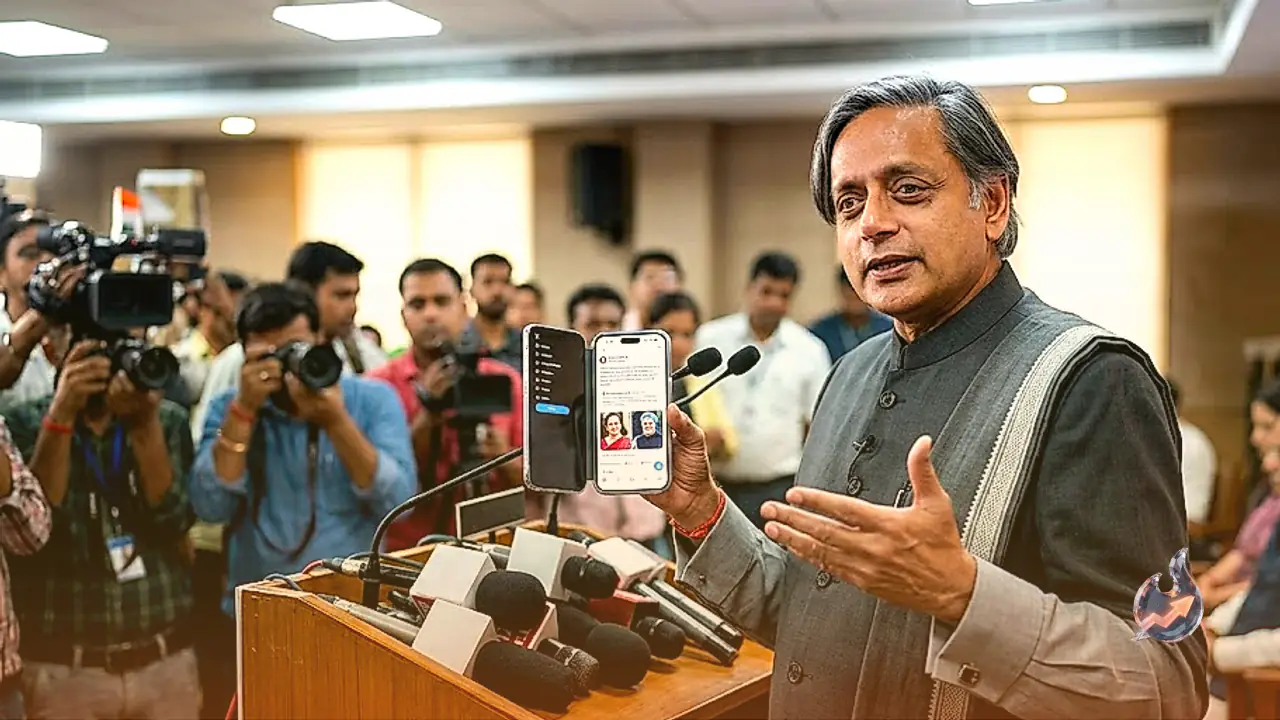
These days, sites like Facebook, YouTube, Twitter and Instagram are flooded with clips of police misconduct, and several of them are disturbing enough to unsettle anyone who watches. With such cases surfacing one after another, finding an answer has become urgent. Weighing in on this, well-known Begusarai psychologist Engineer R Shankar offered some important insights. R Shankar has delivered lectures on psychology in 150 countries, has worked extensively in the field, and has even authored a book on the subject.
The most pressured department of the century
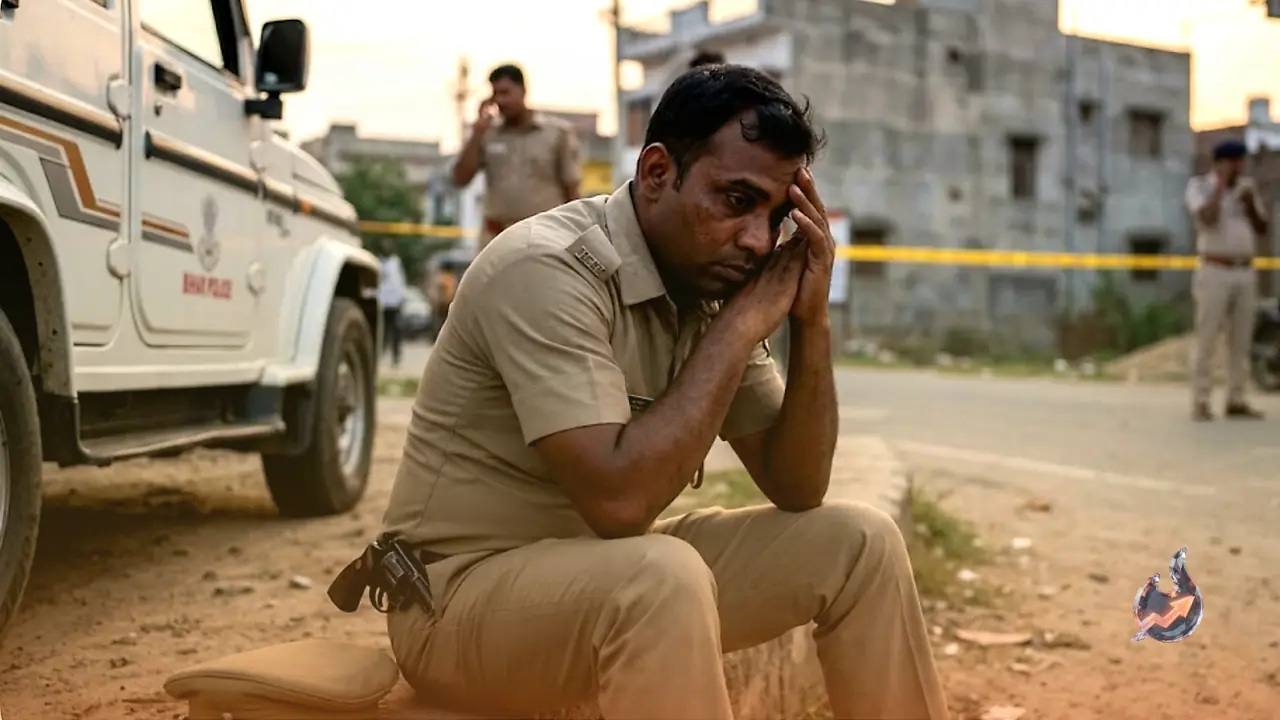
According to R Shankar, in today's 21st century the police is among the departments that work under the heaviest pressure. Wherever a problem erupts in society, the police are the first to be sent in. Yet it is easy to forget that officers are ordinary human beings too. They have families, children and a social life of their own. Under relentless stress, a person can sometimes take a decision in a single moment that they later come to regret.
He points out that officers often cannot get leave on time. Unable to spend enough hours with their families, and with weakening family bonds, their mental balance can suffer. On top of that, continuous duty leaves them short on sleep. R Shankar says that when a person does not sleep properly, the brain's efficiency the next day drops sharply, and this can hit memory, decision-making and behaviour all at once.
Why regular mental health screening matters
R Shankar believes the first requirement is regular mental health screening for police personnel. The brain, he says, is nature's most complex and advanced creation, and yet it has not been fully understood even now. That is precisely why many officers struggle with stress, frustration and depression.
Drawing a clear line between frustration and depression, he explained that frustration sets in when there is a wide gap between a person's expectations and reality. Depression, on the other hand, leaves a person persistently low, disturbs their sleep and appetite, and makes it hard for them to take sound decisions or behave normally.
Identify officers and arrange counselling
Such officers, R Shankar says, should be identified and given counselling. He argues that the police system needs an effective framework for stress management and mental health. Simply doing yoga or going for a run, he stresses, cannot be called stress management. It requires understanding what stress actually is, how it affects the brain, and how a solution can be tailored to each individual.
India needs a solid setup like Western nations
He also noted that many Western countries already have systems for regular mental health checks, counselling and stress management. India needs to make such arrangements far more effective. Officers should get timely leave, adequate rest, full sleep, time with their families and regular mental health training. If such a structure is built, R Shankar says, the police system can become far better and more effective than it is today.