





















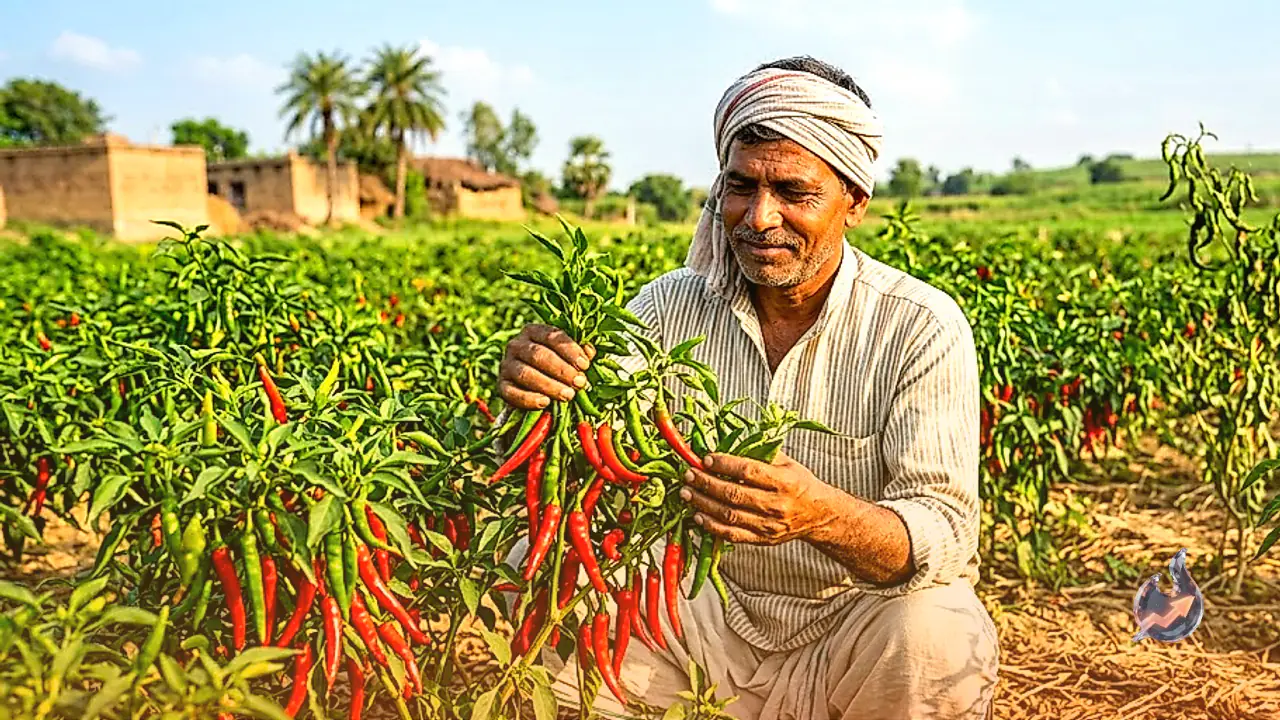

Commercial vegetable cultivation is rapidly gaining traction among farmers in Bihar's Bhagalpur region as an attractive alternative to traditional staple crops. While chili farming offers strong financial returns, it also poses unique risks related to pest management and disease control. Choosing appropriate seed varieties tailored to local conditions and implementing scientific crop protection strategies are critical steps for ensuring maximum yield and profitability.
High Yield Chili Varieties Recommended for Bhagalpur
Although Bhagalpur is widely celebrated for its Jardalu mangoes and Katarni rice, the district has also developed a thriving vegetable farming sector. The foundational success of any commercial vegetable crop relies heavily on seed quality. Experts highlight four top performing chili seed varieties that are particularly suited to the climatic conditions and soil profile of Bhagalpur.
These high performing varieties include Advanta AK 47, VNR 6013, Zero 6013, and Sania F1. Each of these seed types is known for robust plant growth and dense fruit production. When cultivated with proper field management, these varieties can generate substantial revenue for local growers. However, protecting these high yield crops from devastating viral infections remains an ongoing requirement.
Understanding Bhanguri Disease and Its Impact
The most severe threat facing chili crops in the region is commonly known as Bhanguri disease, scientifically identified as Yellow Vein Mosaic Virus. This viral pathogen spreads aggressively during the rainy monsoon season, presenting severe operational challenges for farmers.
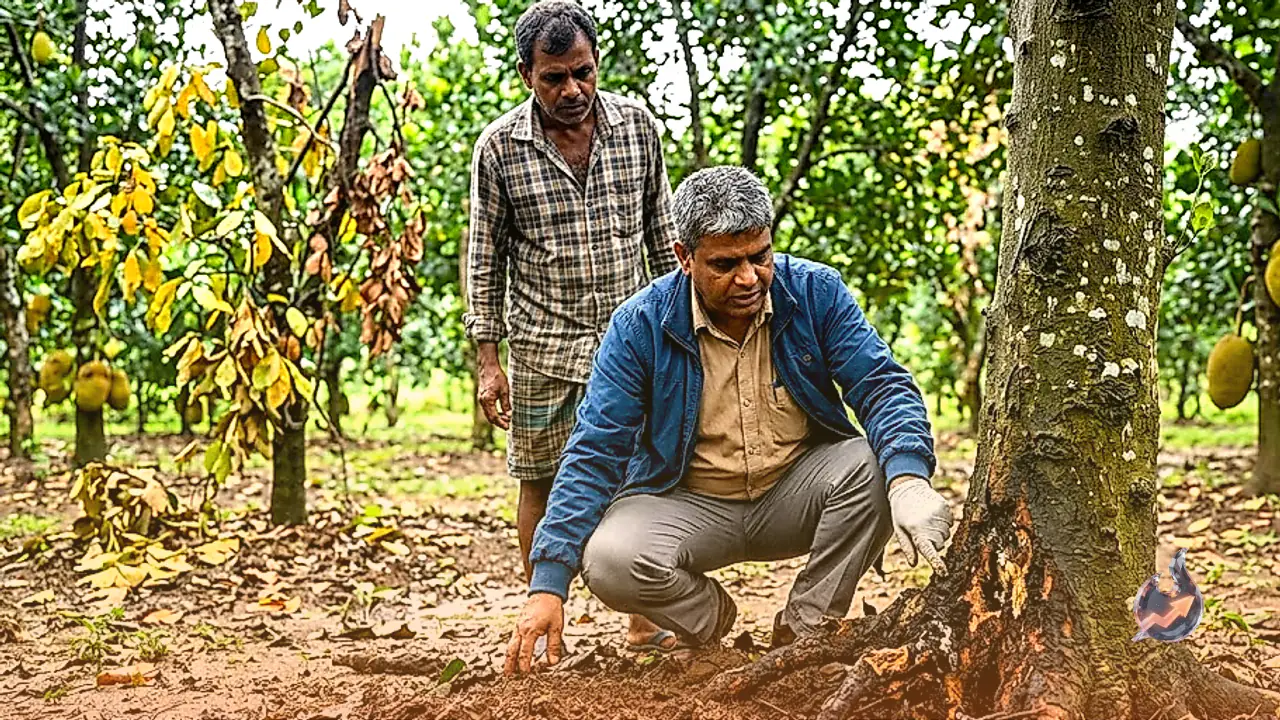
According to Plant Protection Officer Sujit Pal, plants infected with Yellow Vein Mosaic Virus exhibit distinct symptoms including leaf curling, yellowing, and severe drying. Affected leaves begin to shed rapidly, and fruit development suffers drastically, often leading to twisted or malformed produce. In unmanaged fields, the virus leads to high plant mortality rates, significantly reducing total harvest volumes.
Organic and Chemical Protection Strategies
Because Yellow Vein Mosaic Virus is a viral disease, direct cure after infection is extremely difficult. Control measures must focus primarily on eradicating whiteflies, the primary insect vector responsible for transmitting the virus across fields.
- Organic Management: Farmers practicing organic agriculture should regularly spray neem oil across the crop. Neem oil acts as a natural repellent against whiteflies and other sucking pests.
- Physical Traps: Installing yellow sticky traps and blue sticky traps throughout the fields provides an effective non chemical defense. These colored traps feature an adhesive surface that attracts and captures flying insects, interrupting the disease spread.
- Chemical Application: For severe infestations, growers can apply a strategic combination of a broad spectrum insecticide mixed with a dedicated sucking pest control agent to quickly reduce pest populations.
Mandatory Post Spray Harvesting Precautions
While chemical insecticides effectively suppress pest activity, farmers must observe strict safety protocols after application. Plant Protection Officer Sujit Pal emphasized that chili harvesting must be suspended for a minimum of seven days following any pesticide spray.
The chemical residue remains active on the crop and within the fruit for up to a full week. Harvesting or consuming the produce during this active period poses serious health risks to consumers. Maintaining this mandatory one week waiting period ensures that the harvested produce is completely safe for market distribution and consumption.