






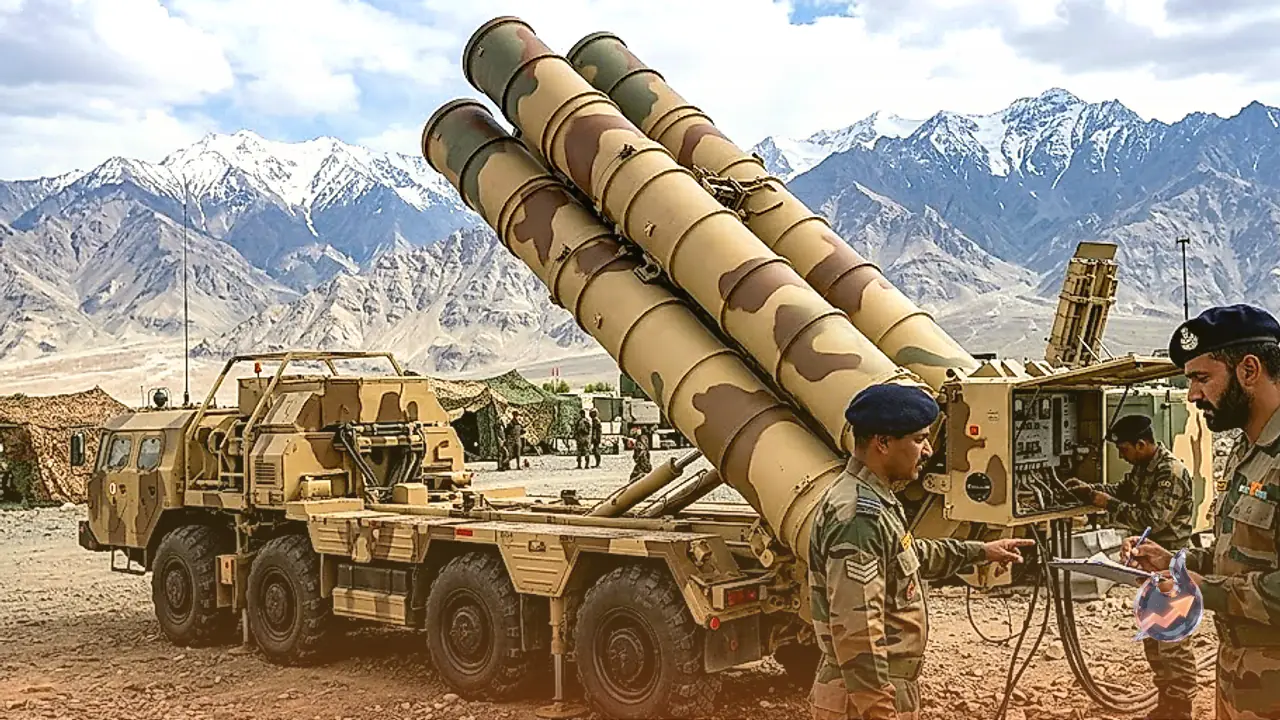
















Amid escalating geopolitical volatility across the globe, India is accelerating steps to reinforce its national airspace against modern aerial threats. The Indian defense establishment has advanced the acquisition process for five additional units of the S-400 Triumf air defense system from Russia. Moscow has officially submitted a Bill of Quantities (BOQ) proposal detailing the deployment, construction, and equipment costs. The submission paves the way for formal commercial price negotiations between the two nations.
Worldwide military developments are currently proceeding along two simultaneous tracks: expanding offensive striking power through advanced fighters, precision missiles, artillery, and drones, while bolstering defensive capabilities via long-range surface-to-air missile shields. India is actively pursuing both tracks. Having achieved independence in missile production and key advances in fighter aircraft programs, India is fortifying its air defense architecture through a mix of indigenous development and high-end imports.
Contractual Background and Procurement Roadmap
India initially inked a contract worth approximately $5.43 billion with Russia in 2018 for five S-400 squadrons. Four of those squadrons have already been delivered and deployed across strategic sectors. Delivery of the fifth and final squadron under the original contract is anticipated by November or December of this year. The proposal to purchase five more squadrons aims to double the fleet strength.
Under the standard procurement procedure, the defense establishment will evaluate the BOQ proposal before opening bilateral pricing negotiations. Once a mutually agreed price structure is finalized and clearance is granted by the Ministry of Finance, the procurement contract will be submitted to the Cabinet Committee on Security (CCS) for final approval.
Combat Proof in Operation Sindoor
The imperative for adding five additional S-400 systems stems directly from its operational performance during Operation Sindoor in May 2025. Integrated into India's multi-layered air defense grid, the S-400 demonstrated significant interception capabilities. A long-range missile fired from the system successfully engaged an Airborne Early Warning and Control (AEW&C) aircraft operating deep inside Pakistani airspace at a distance of roughly 314 kilometers.
During the same confrontation, adversary forces attempted to target the Indian airbase housing the S-400 using kamikaze drones. Indian air defense elements repelled the strike, ensuring that enemy combat aircraft remained well away from Indian borders throughout the engagement.
Addressing Two-Front Security Dynamics
India's air defense posture is designed to counter simultaneous security challenges along its eastern and western borders. China has expanded its military posture in Tibet by deploying fifth-generation J-20 stealth fighters and building up a formidable inventory of hypersonic weapons. Meanwhile, Pakistan relies heavily on China for the acquisition of advanced hardware.
Because the S-400 is specifically designed to counter high-speed aerial targets, including stealth platforms and hypersonic threats, expanding the system's operational footprint is viewed as critical to preserving regional deterrence against aggressive maneuvers.
Su-57 Fighter Offer and Upcoming Diplomatic Engagement
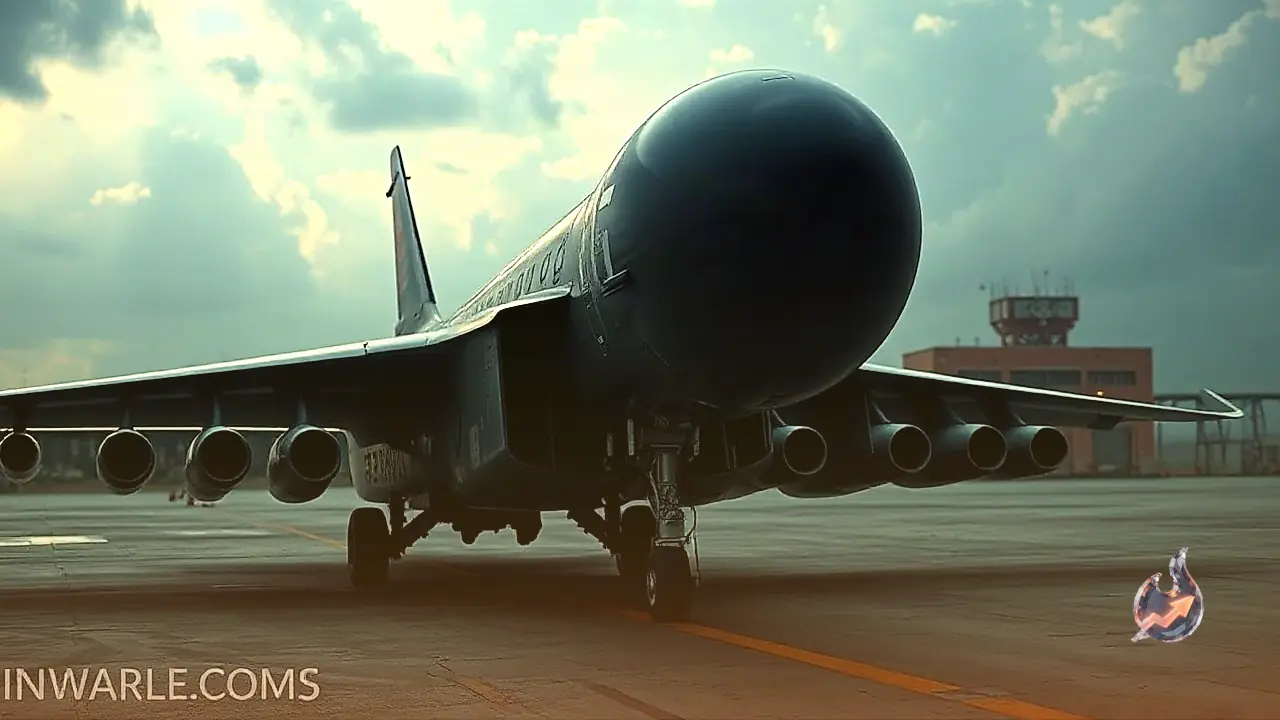
In parallel with the air defense discussions, Russia has offered its fifth-generation Su-57 fighter aircraft to India. While the Indian Air Force has examined the technical parameters of the offer, no decision has been reached regarding the acquisition of two Su-57 squadrons. The presence of Chinese J-20 aircraft in proximity to the Himalayan border remains a core consideration in these evaluations.
Russian President Vladimir Putin is scheduled to visit New Delhi between September 11 and September 13 for the BRICS summit. High-level defense consultations during this visit are expected to focus on strategic cooperation, joint weapon developments, and hypersonic missile technology.