























Significant transformation is underway in Bihar's road infrastructure landscape. The preparatory work, specifically the land acquisition survey, for the state's very first access-controlled highway, the Patna-Purnia Expressway, is progressing at a rapid pace. Once this major infrastructure project is fully constructed, the travel distance between the capital city of Patna and the eastern hub of Purnia will be reduced to just 282 kilometers. Travelers will be able to complete this entire journey in a mere 3 hours, bringing a monumental shift in regional connectivity. Beyond shrinking travel times, the expressway is expected to trigger a major boom in local industries and trade. Due to its close proximity to the international borders of Nepal and Bangladesh, this new route holds immense strategic and national security importance. However, amid the excitement of this development, a wave of discontent has emerged among local landowners and farmers who are deeply worried about the low compensation rates offered for their acquired land.
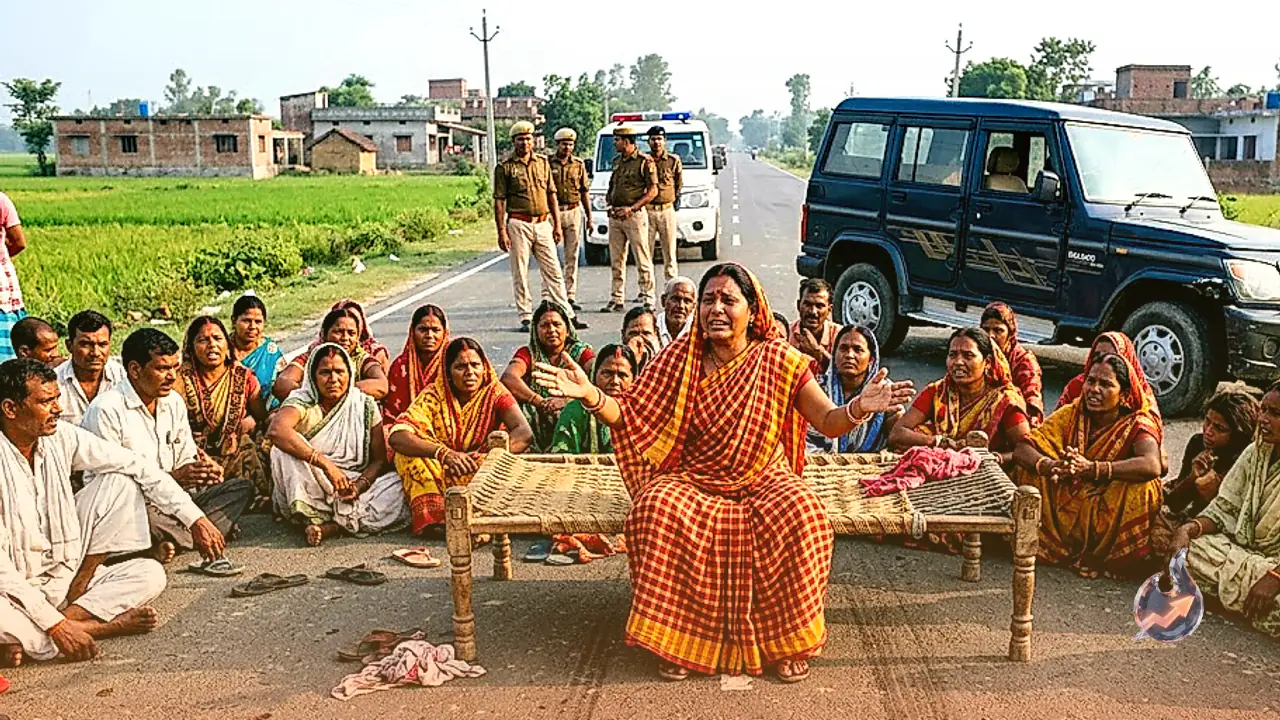
Farmer Dissatisfaction Over Low Land Compensation Rates
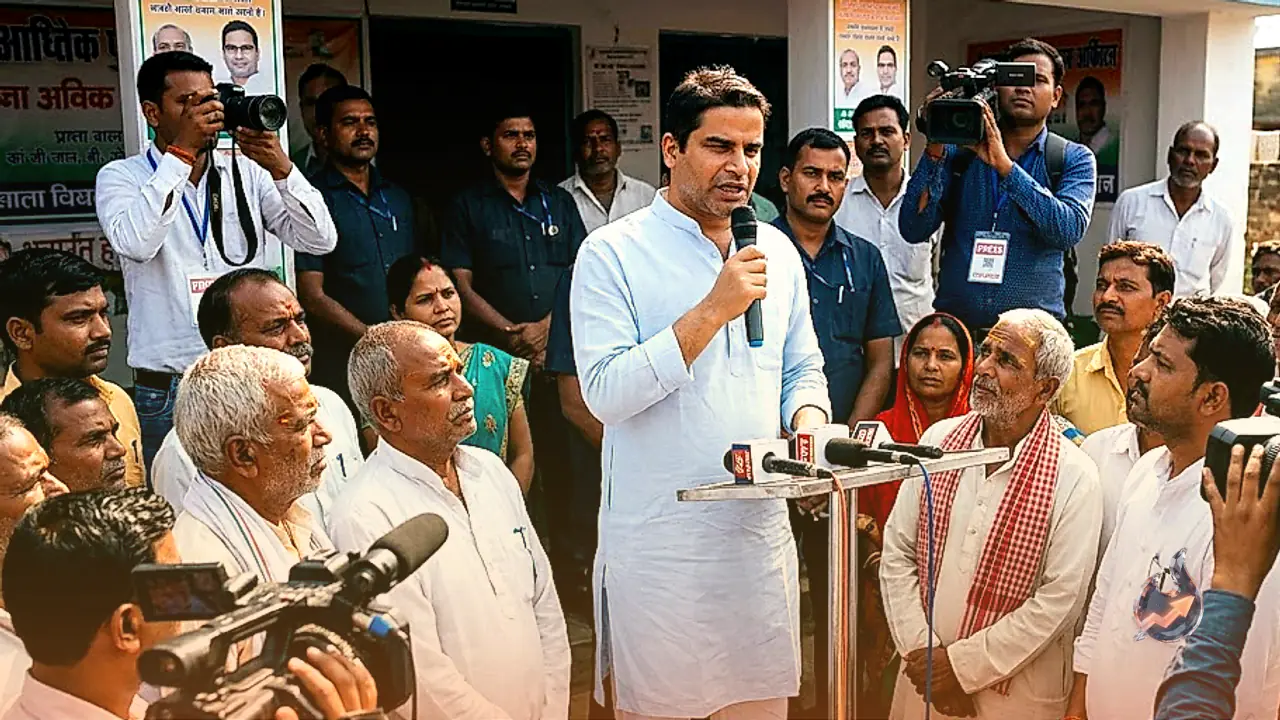
While state authorities and the National Highways Authority of India (NHAI) are hailing this upcoming corridor as a game-changer for Bihar's economic growth, the farmers whose lands are being taken over for the project are expressing deep resentment. These landowners argue that while real estate values in the open market have skyrocketed over the past decade, the government is calculating compensation packages using outdated valuation metrics. The affected farmers maintain that rapid infrastructure development must not come at the cost of their livelihood, advocating instead for fair and market-rate compensation.
The expressway itself will cover a dedicated distance of 245 kilometers between Purnia and Patna, designed to support a travel time of just 3 hours. As a fully access-controlled highway, vehicles will be permitted to ply at speeds of up to 120 kilometers per hour. To facilitate smooth entry and exit, the design incorporates a total of 21 connectivity junctions along the entire route. Out of these, 8 connectivity points will fall within Purnia district alone. Among these local junctions, Sukhasena and Banmankhi have been selected for Major District Road (MDR) connectivity, which is expected to catalyze economic development in these rural pockets.
Despite these grand plans, the mood among local farmers remains somber. Landowners point out that the state of Bihar had been operating under the Minimum Valuation Register (MVR) set back in 2014. Under the newly revised rate structure introduced by the government, the acquisition rates for rural lands have been hiked by a meager 1.6 percent. Farmers argue that between 2014 and the present day, market values of land in the region have increased by 25 to 40 times. Consequently, they view the government's compensation rates as highly unfair and a betrayal of the agricultural community.
NHAI Moves Ahead with Survey Work and Legal Formalities
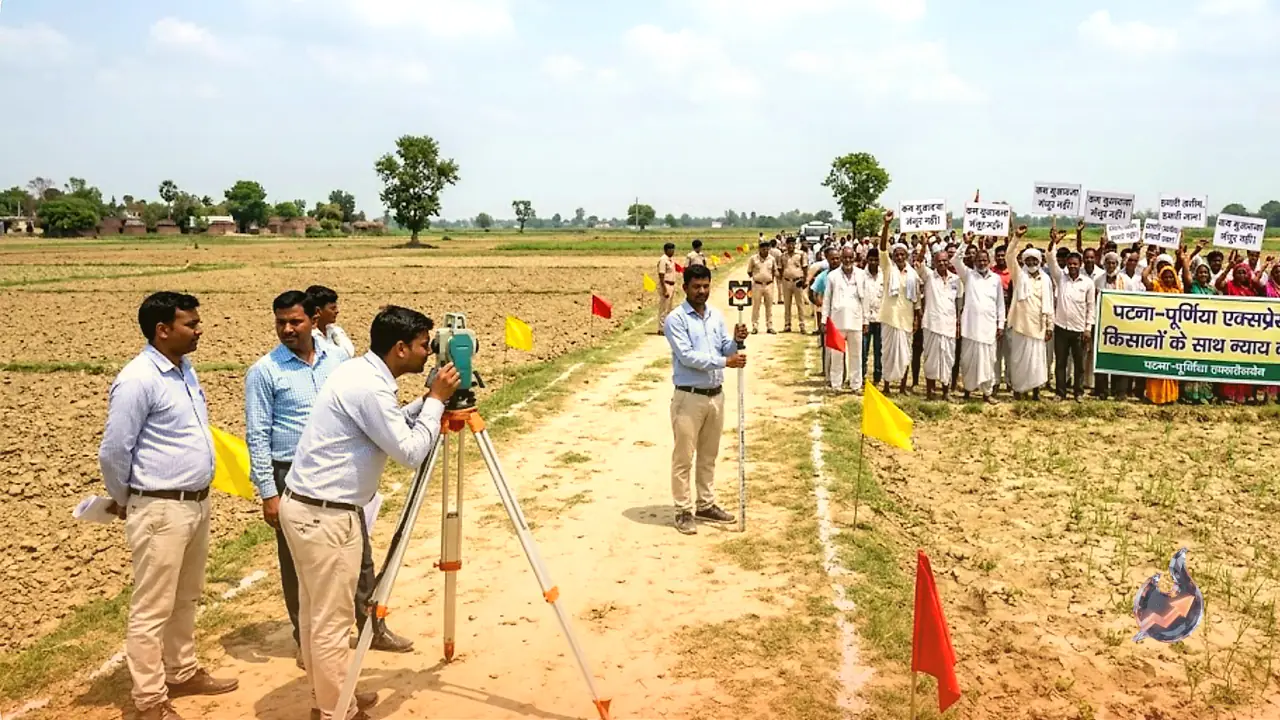
NHAI has launched multiple major highway initiatives across Bihar in recent times. Alongside the widening of National Highway 31 (NH 31) into a four-lane road between Khagaria and Purnia, the development of the Patna-Purnia Access Control Expressway 9 is moving forward concurrently. Providing an update on the progress, Praveen Kumar Katiyar, the NHAI Project Director for the Purnia region, stated that the land acquisition surveys along the Patna-Purnia route are being executed on a fast-track basis.
According to Katiyar, the 3A capital gazette notification has already been officially published. At present, physical field surveys and land verifications are being conducted, and teams have already initiated the piling work on-site to mark the boundaries. The authorities are preparing to issue the 3D gazette notification in the near future. Once the 3D notification is published, the official process of disbursing compensation funds directly to the eligible landowners will begin.
A New Hub for Aviation, Trade, and Satellite Urbanization
Sharing the state administration's vision, Dilip Jaiswal, the Minister for Land Reforms and Revenue of the Bihar Government, confirmed that ground operations for the Patna-Purnia Expressway have commenced. He emphasized that the completion of this high-speed corridor will stimulate massive regional development. Notably, flight services have already commenced from Purnia, and plans are in place to directly link the Patna-Purnia Expressway with the Purnia Airport.
The minister elaborated that an ultra-modern Aerocity will be built along the newly constructed approach road leading to Purnia Airport. This planned commercial zone will feature state-of-the-art shopping malls, recreational parks, and other premium public amenities, creating a landmark destination in Bihar. Over the coming years, Purnia is set to be developed as a modern satellite township, which will significantly elevate the standard of living and urban infrastructure in this border region.
Comparing Travel Corridors and Achieving a Balanced Growth
Once operational, the new highway will drastically change the transit dynamic between Patna and Purnia. Currently, commuters traveling from Purnia to Patna via the Khagaria route must cover a distance of 310 kilometers, which takes approximately 7 hours of tedious driving. Alternatively, taking the four-lane highway via Araria and Darbhanga increases the total distance to 360 kilometers.
The Patna-Purnia Expressway will shrink this long journey to just a 3-hour drive. Given its geographical positioning close to international borders, the defense and security value of this high-speed link cannot be overstated. However, the ultimate success of this developmental milestone depends heavily on addressing the grievances of the farming community. Ensuring that those who surrender their ancestral lands receive fair, market-aligned compensation is critical to preventing distress and ensuring inclusive growth.