
















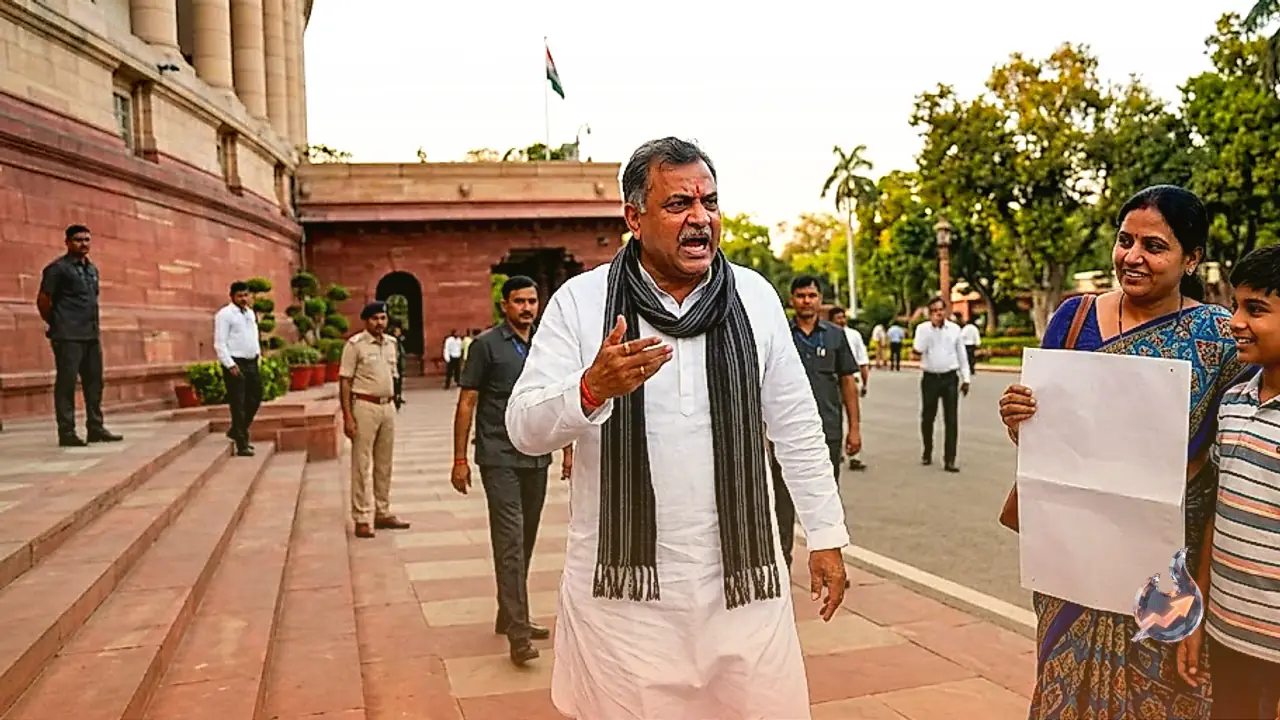

The Lok Sabha, the lower house of Parliament, has passed a stringent anti-paper leak bill by voice vote despite sustained opposition protests and loud slogan-shouting. Following its passage in the lower house, the legislation will move to the Rajya Sabha for consideration. Once approved by the upper house, it will be presented to the President for final assent to become binding law across the country. While broad cross-party consensus existed on the fundamental need to eliminate examination malpractices, the parliamentary proceedings were marked by sharp political acrimony. The debate stretched late into the night, erupting into chaotic scenes when Leader of Opposition Rahul Gandhi made direct allegations against Home Minister Amit Shah.
High Drama and Heated Exchanges in Parliamentary Debate
The legislative discussion saw intense personal and political confrontations between members of the government and the opposition. During her speech, Priyanka Gandhi targeted Dr. Kamakoti, the Director of IIT Madras who serves on the official task force for examination reforms, referring to him as a cow urine expert. Responding forcefully to the remark, BJP MP Anurag Thakur detailed Dr. Kamakoti's academic credentials on the floor of the house. Anurag Thakur stated that even if the educational qualifications of the entire Gandhi family were combined, they would still fall short of Prof. Kamakoti's academic achievements.
Tempers flared further when Priyanka Gandhi accused newly appointed Education Minister Pralhad Joshi of defending those convicted in Gujarat's Bilkis Bano case. Pralhad Joshi strongly rejected the accusation, calling it completely false and demanding that Priyanka Gandhi present concrete proof in Parliament to substantiate her claim. The exchange led to repeated disruptions and heated arguments inside the chamber.
Restoring Faith in Exams and Clamping Down on Paper Leak Mafia
With the new amendments set to become law, authorities expect a decisive crackdown on organized paper leak syndicates and exam mafias operating across states. The legislative push reflects the government's stance and commitment to securing the integrity of public examinations. While opposition leaders concentrated their efforts on highlighting police action at Jantar Mantar protests and questioning the administration, Prime Minister Modi focused on establishing a forward-looking approach centered on the aspirations of the younger generation.
Political maneuvering remains a regular feature of parliamentary debates, but the vital priority is restoring confidence among millions of candidates and their families in the public examination framework. The government must ensure that examination papers remain secure and that cheating is eliminated, providing every candidate with a genuine and level playing field.
Supreme Court Intervention and Key Directives to States
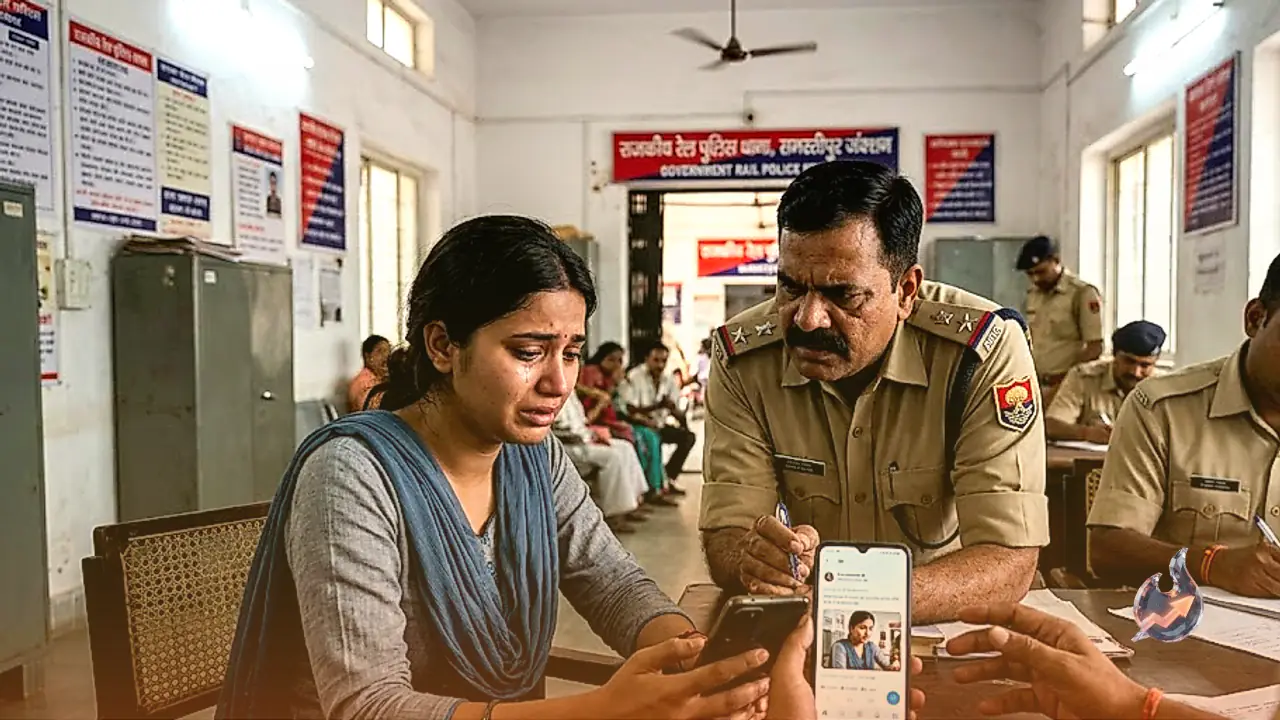
Parallel to the legislative action in Parliament, the Supreme Court delivered significant directives regarding police action against student demonstrators. A three-judge bench comprising Chief Justice Surya Kant, Justice Joymalya Bagchi, and Justice V. Mohana permitted law enforcement agencies to proceed with their investigations into all registered FIRs.
However, the apex court issued mandatory orders to all state governments requiring the immediate release of all minor protesters taken into custody. The court instructed police forces not to take coercive action against peaceful demonstrators and strictly prohibited the public disclosure of any protester's personal information. Furthermore, the Supreme Court issued formal notices to six state governments: Maharashtra, Madhya Pradesh, Kerala, Bengal, Bihar, and Uttar Pradesh. The next judicial hearing is scheduled for August 3.
Evidence Preservation, Attack on Police, and Political Opposition
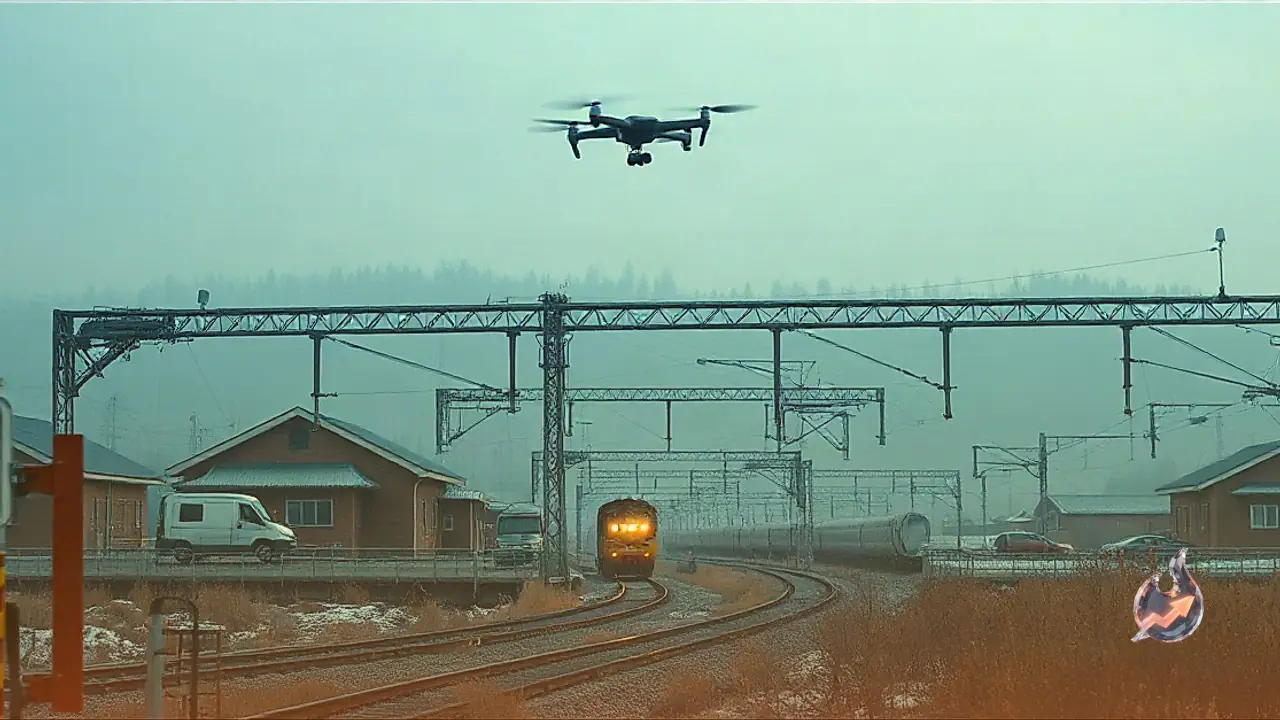
Representing the central government in court, Solicitor General Tushar Mehta presented detailed submissions regarding security conditions during the demonstrations. He informed the bench that anti-social and armed criminal elements had embedded themselves within the crowd of protesters, launching violent attacks on security personnel that left more than 250 police officers injured. Taking note of these submissions, the Supreme Court directed authorities to preserve all electronic and digital evidence, including drone video recordings, CCTV footage, wireless communication logs, and official police diaries related to the incident.
Meanwhile, the Cockroach Janata Party (CJP) expressed strong opposition to allowing police investigations to continue under the registered FIRs. CJP spokesperson Sourav Das stated that the government had previously committed to an unconditional release of all demonstrators and the withdrawal of cases. He emphasized that any modification to that understanding, even through judicial orders, remains unacceptable to the CJP.
Ensuring balanced justice requires the Supreme Court to evaluate all aspects of the events. Both the police lathi-charge on demonstrators and the stone-pelting directed at security personnel require thorough, evidence-based examination. Since extensive video evidence and witness testimony exist, authorities must derive clear operational lessons. Establishing standardized protocols for managing public demonstrations, ensuring strict accountability, and creating clear mechanisms to isolate violent elements will be essential to maintaining public trust in the rule of law.