


















In the evolving geopolitical landscape of Central Asia, nations like Uzbekistan and Kyrgyzstan hold immense importance for India's diplomatic outreach. Amid ongoing efforts by global powers to expand their influence and persistent regional challenges, Prime Minister Narendra Modi's visit to Tashkent has laid down a definitive roadmap for deepening strategic partnership. During his talks with Uzbek President Shavkat Mirziyoyev, discussions spanned a wide spectrum including trade, investments, defense cooperation, digital connectivity, energy security, and education, alongside aligning the shared developmental visions of a developed India by 2047 and Uzbekistan 2030.
A Historic Honor and Diplomatic Milestone in Tashkent
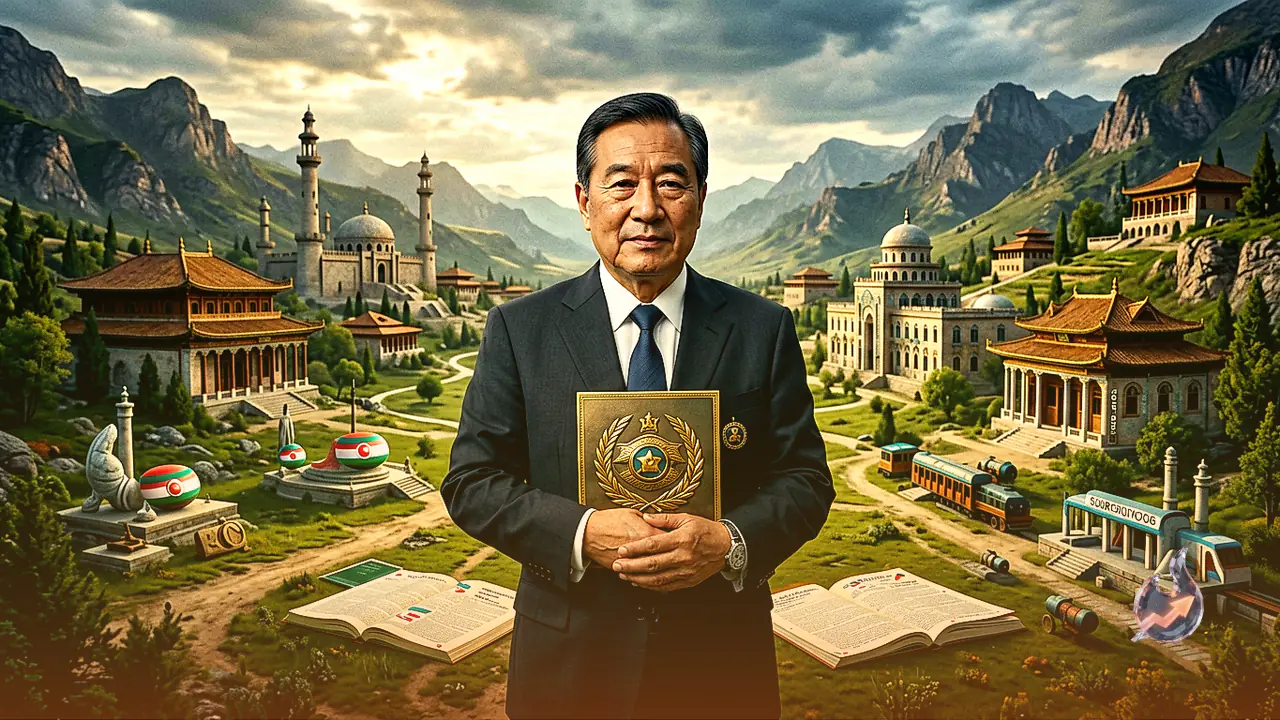
Prime Minister Modi made history in Tashkent by becoming the first Indian leader to be decorated with the nation's highest civilian honor. President Shavkat Mirziyoyev presented him with the Order of Oliy Darajali Dustlik, a prestigious accolade that symbolizes the deep-rooted friendship and strategic convergence between the two countries. This award is traditionally conferred upon foreign dignitaries who make exceptional contributions toward fostering mutual trust and long-term partnership. Marking his fourth visit to Uzbekistan, the trip has successfully elevated bilateral ties to the level of comprehensive strategic partnership.
Growing Global Recognition Across Nations
Since 2016, Prime Minister Modi has received state honors and civilian awards from more than 30 countries around the world. The addition of Uzbekistan's highest recognition highlights the expanding scope of international diplomatic goodwill toward India. The itinerary in Tashkent featured formal welcoming ceremonies at the presidential palace, delegation-level discussions focusing on critical minerals and energy cooperation, and high-level engagements addressing regional stability and economic collaboration.
Securing Energy, Uranium, and Regional Connectivity
Despite geographical hurdles and intense regional competition, India has steadily carved out robust trade and energy corridors with Central Asia. A major breakthrough during the discussions was the formal arrangement for the long-term supply of uranium from Uzbekistan, which significantly bolsters India's nuclear energy roadmap aimed at expanding capacity by 2047. Furthermore, leveraging alternative routes like the Chabahar port enables India to bypass traditional connectivity bottlenecks, ensuring enhanced security cooperation and stable economic access to the wider Central Asian market.