















In the Indian film industry, a single career choice can permanently alter an actor's trajectory. Over the decades, Bollywood has witnessed numerous instances where roles turned down by one artist went on to become landmark performances for another, creating box office history. A fresh chapter in this ongoing narrative has surfaced regarding the historical drama film Chaava. Veteran actor Avinash Wadhawan, who gained fame during the 1980s and 1990s, recently shared that he was the original choice to portray the ruthless Mughal emperor Aurangzeb in director Laxman Utekar's grand project. However, after learning about the brief screen time and appearance requirements, Wadhawan chose not to accept the offer. The role eventually went to Akshaye Khanna, whose chilling performance received widespread critical acclaim and audience appreciation.
The Casting Call for Aurangzeb
During a recent interview, Avinash Wadhawan detailed how a prominent casting firm reached out to him regarding Chaava. The casting team informed him that director Laxman Utekar was helming a large-scale historical feature starring Vicky Kaushal in the lead role. The makers were seeking an established face to play the main antagonist, Aurangzeb, expecting an actor who could project authority and intensity on screen.
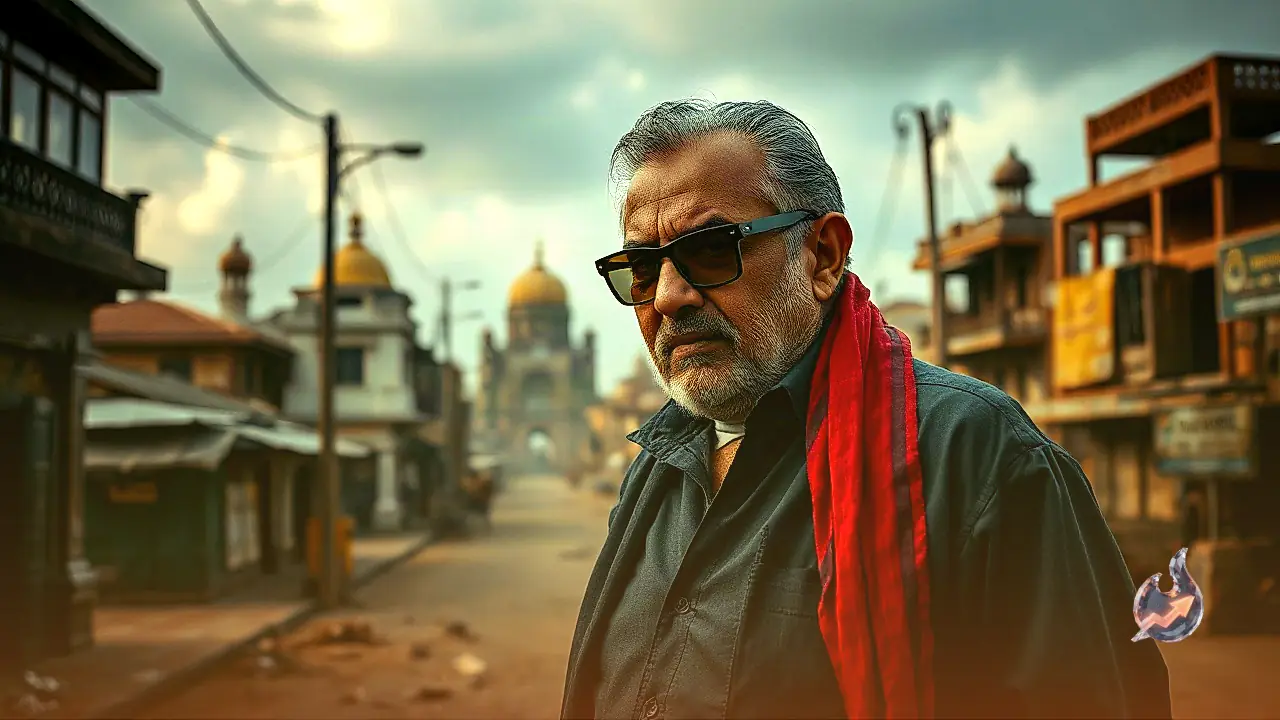
When Wadhawan inquired further about the character arc and involvement in the story, he was informed that Aurangzeb featured in only 2 or 3 major scenes throughout the film. Additionally, the character design required him to wear a complete white wig and a long white beard to portray an elderly, frail version of the monarch. The script focused on the final phase of Aurangzeb's life, demanding extensive prosthetic makeup and an aged screen appearance.
Reasons for Rejecting the Project
Upon learning these details, Avinash Wadhawan felt completely unimpressed by the offer. He believed that returning to the big screen after a long break wearing a fake white beard for barely 2 or 3 scenes would not make any meaningful impact on moviegoers. He concluded that the role offered very limited creative scope for an actor looking for a substantial comeback.
Consequently, Wadhawan declined to even meet the film's producers. He explicitly communicated to the casting agency that if he were to make a feature film return, it must be with a character tailored to his personality and screen presence. He expressed his desire to restart his big-screen career under the guidance of a strong director with a meaty, well-written role rather than taking up brief appearances purely for the sake of working.
Akshaye Khanna Steps In After Multiple Rejections
Wadhawan revealed that he was likely not the only actor to turn down the role. Several other performers reportedly declined the part after realizing how brief the character's screen presence was in the overall narrative. Following a series of rejections, the filmmakers approached Akshaye Khanna with the character proposal.
Akshaye Khanna accepted the challenge and delivered a captivating portrayal of Aurangzeb that dominated discussions upon the film's release. Reflecting on the final outcome, Wadhawan praised Khanna's work warmly, acknowledging that Akshaye brought immense depth, gravity, and menace to the character. He admitted that the universal praise Akshaye Khanna received from audiences and critics was entirely earned.
Box Office Triumph and Hindsight
When Chaava arrived in theaters, it registered massive commercial success at the box office. Driven by Vicky Kaushal's central performance and Akshaye Khanna's intense portrayal of the antagonist, the historical film drew large crowds nationwide. Observing the film's huge success led Wadhawan to reflect on his decision-making process.
Discussing the unpredictable nature of the movie business, Wadhawan noted that decisions made in good faith sometimes end up being miscalculations in hindsight. He remarked with a touch of irony that his personal career history seems filled with instances where projects he passed on eventually transformed into historic cinematic hits.
Passing on Shah Rukh Khan's Debut Film 'Deewana'
During the conversation, Avinash Wadhawan also reflected on another pivotal moment from his earlier career. He shared that he had been offered a major role in Deewana, the movie that ultimately served as Shah Rukh Khan's debut in Hindi cinema. At the time, Wadhawan was approached to play the second male lead alongside veteran star Rishi Kapoor.
Wadhawan declined the role because he was hesitant to play a second lead position at that stage of his career. The role subsequently went to Shah Rukh Khan, and Deewana went on to become a colossal box office hit upon its release. The film served as a major launching pad for Shah Rukh Khan, propelling him toward superstardom.
Taking Personal Ownership of Career Choices
Speaking candidly about his past decisions, Avinash Wadhawan expressed admiration for Shah Rukh Khan, stating that Khan is an exceptional actor who fully deserves the immense success and stature he has achieved today. Wadhawan took full personal responsibility for his own career standing without deflecting blame onto external circumstances.
With remarkable honesty, Wadhawan admitted that he has effectively shot himself in the foot not just once or twice, but ten times throughout his professional journey. He acknowledged that making wrong calls at crucial career junctures cost him valuable opportunities that could have altered his professional path.
Career Trajectory Across Cinema and Television
Avinash Wadhawan began his acting career in the late 1980s and early 1990s as a romantic lead in feature films. He starred in several notable productions such as Junoon, Geet, and Balma, which resonated well with audiences of that era and featured popular musical tracks.
As primary lead roles in mainstream cinema slowed down, Wadhawan successfully transitioned to television. He appeared in highly acclaimed, long-running TV series such as CID and Balika Vadhu, earning appreciation for his versatile performances on the small screen. Currently, the actor remains hopeful about finding a compelling narrative and character that will mark his return to feature films.