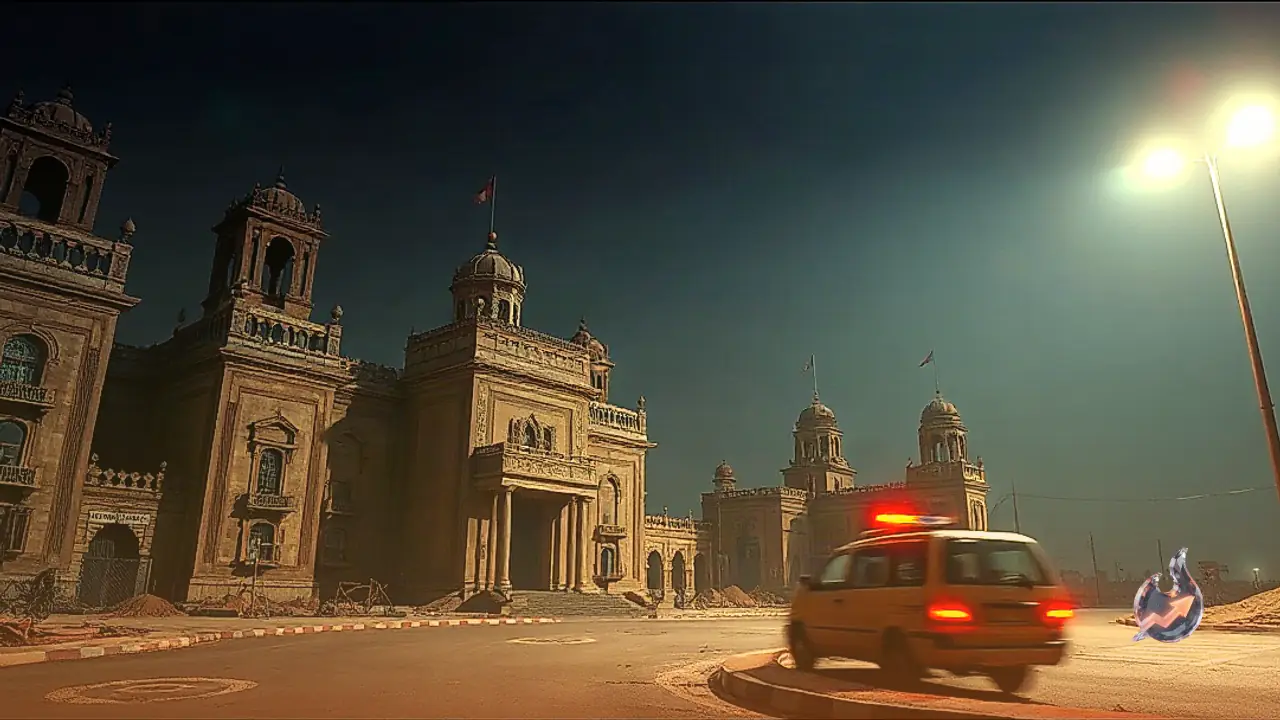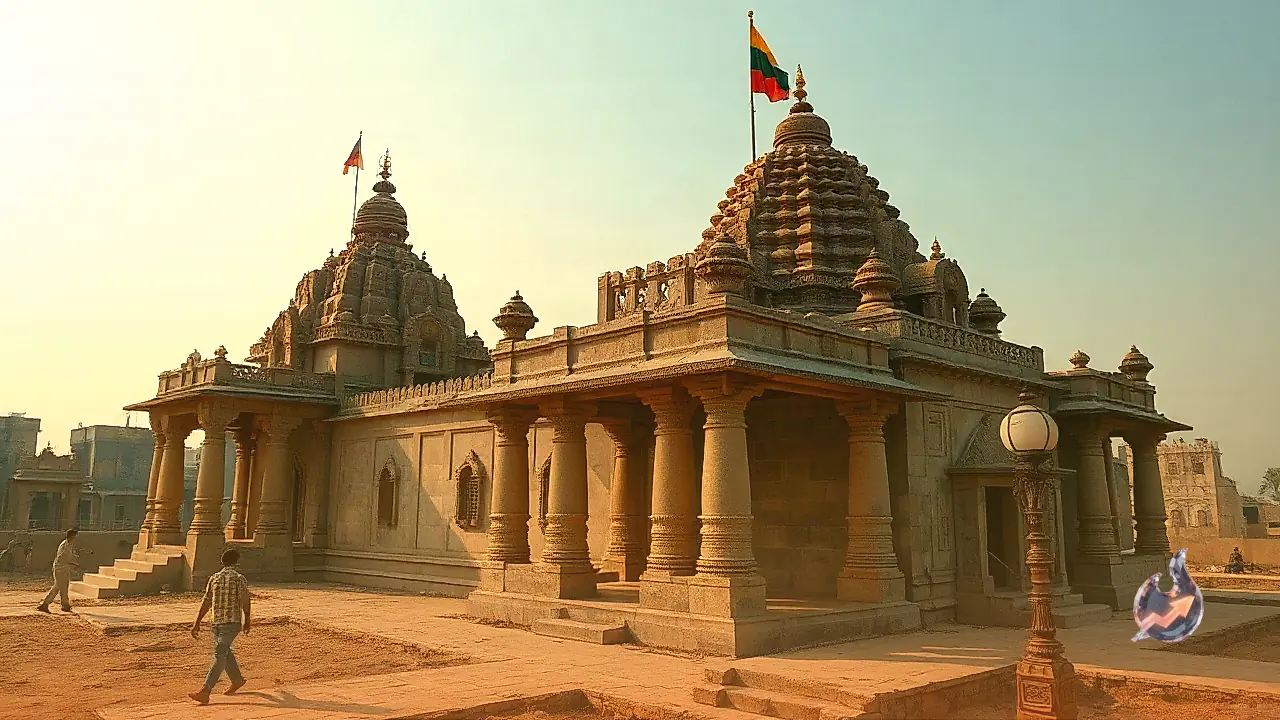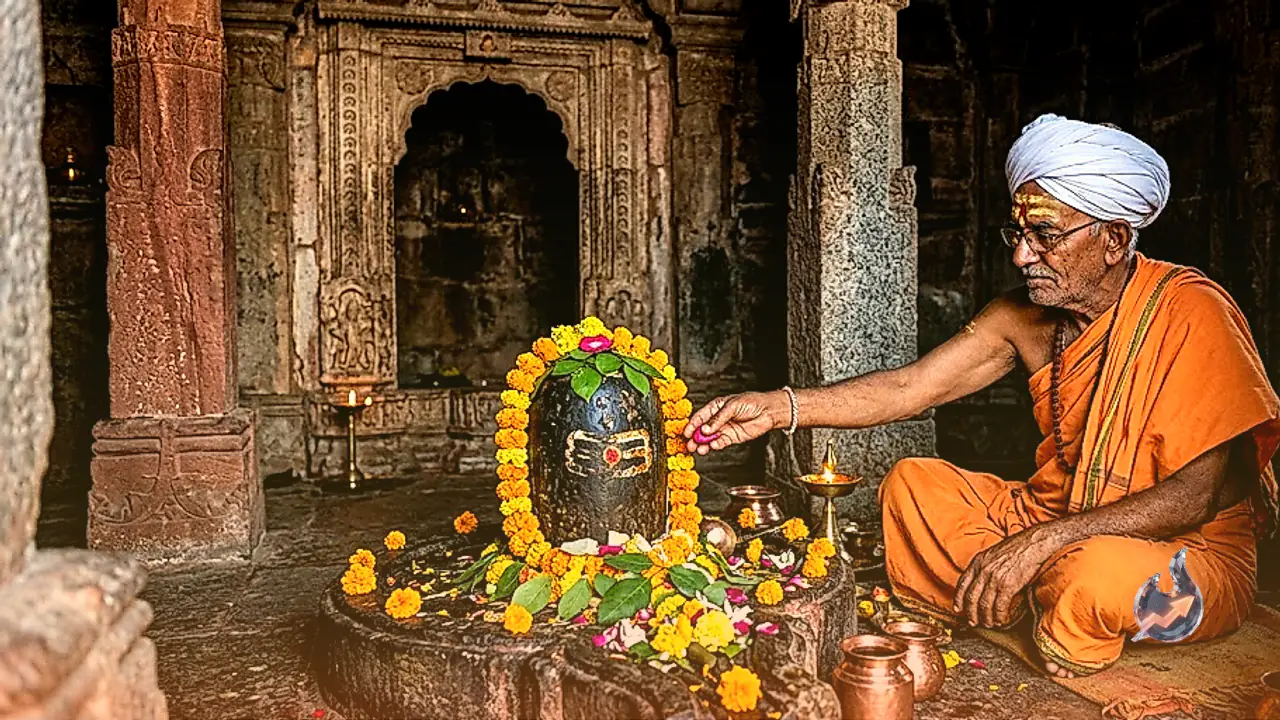


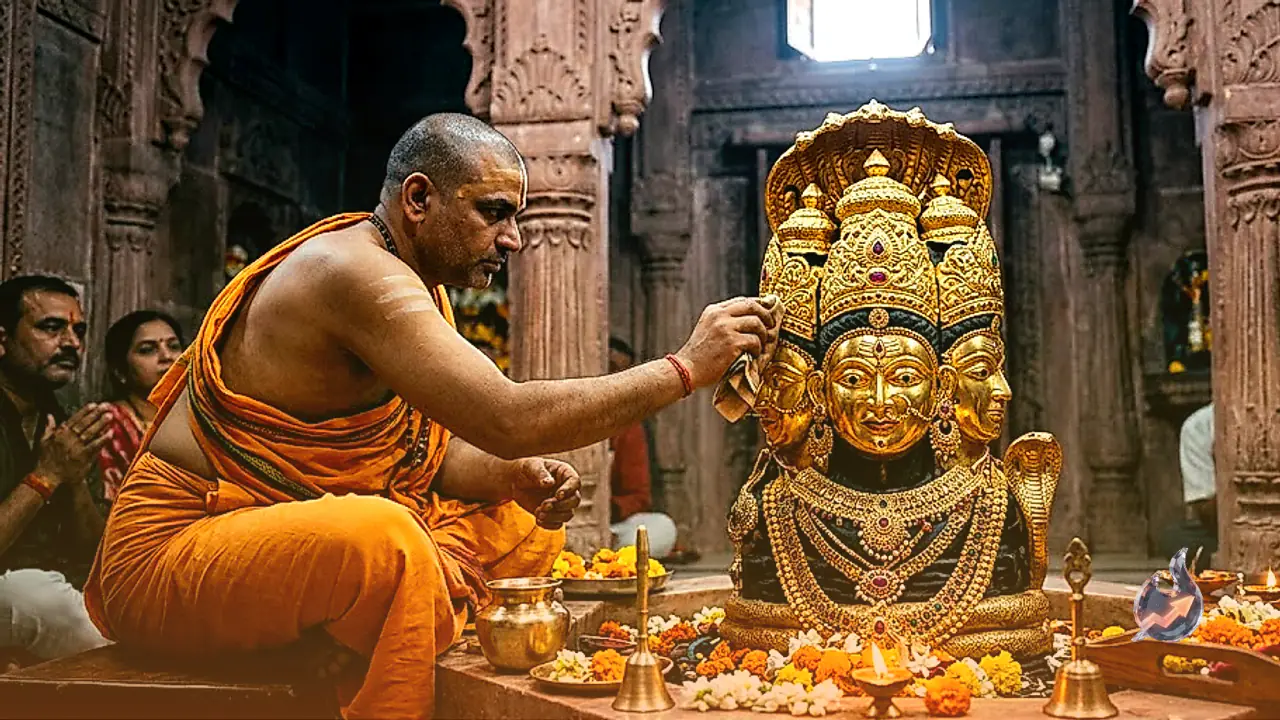




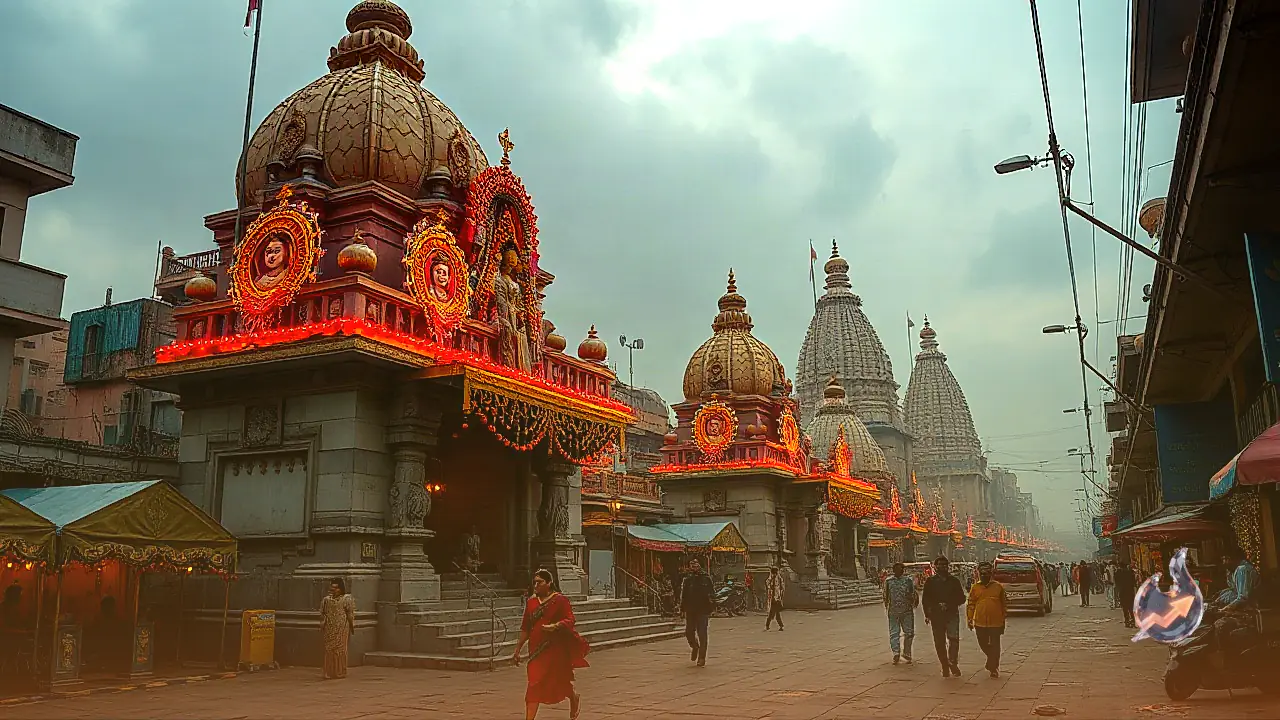














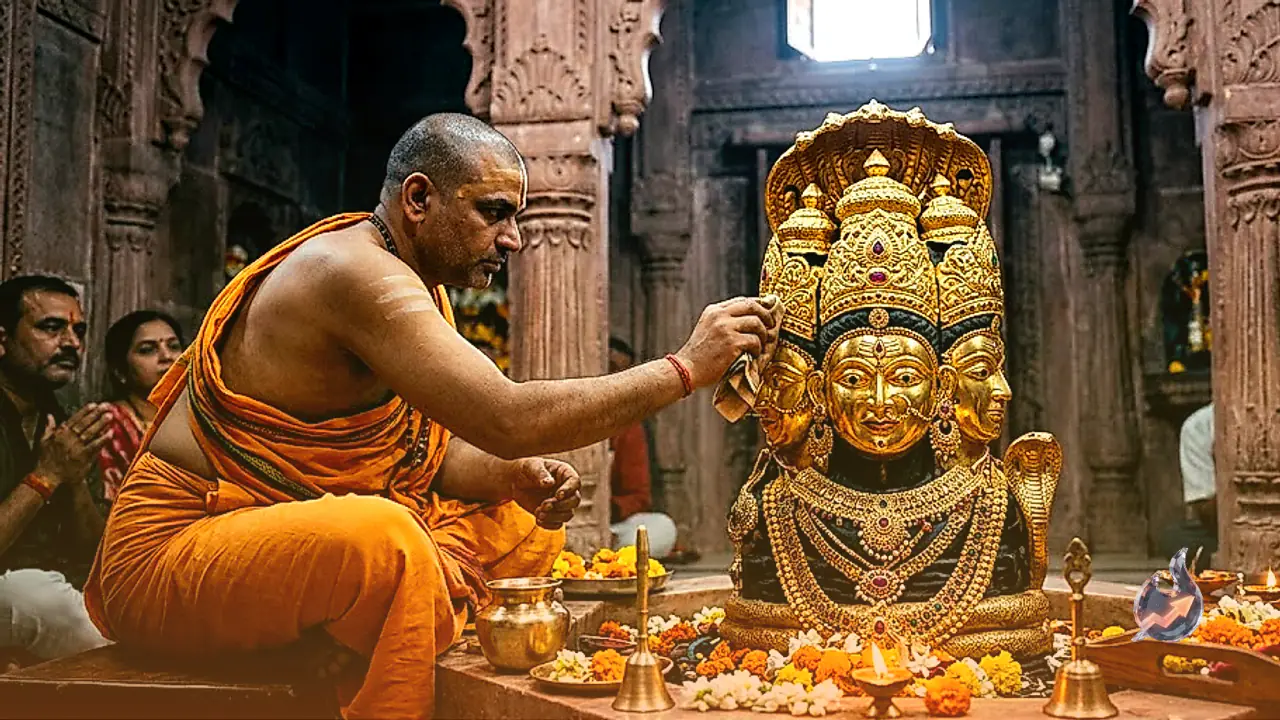

Nestled in the Shivbari area of Bikaner, the Laleshwar Mahadev temple stands as a major center of deep spiritual faith, historic legacy, and architectural heritage. The focal point of veneration for visiting devotees is the sacred Panchmukhi Shiva idol enshrined in the sanctum, which is adorned with elaborate gold ornaments on celebratory occasions. The temple was built in the year 1880 by the ruler of the princely state of Bikaner, Maharaja Dungar Singh, who dedicated the sanctuary to commemorate his father, Maharaja Lal Singh. Ever since its consecration, this sacred precinct has served as a central hub of devotion for Shiva followers across the region.
A Royal Tribute Preserving a Father's Memory
According to Vimarsanand Maharaj, the head of the Shivbari-based Laleshwar temple, Maharaja Dungar Singh conceptualized this religious landmark to make the memory of his father, Maharaja Lal Singh, enduring and timeless. Honoring that filial bond, the sacred complex was formally named Laleshwar Mahadev temple. Constructed out of red sandstone, the magnificent monument showcases the mastery of traditional Bikaner stone craftsmanship while reflecting the royal family's devout commitment to Sanatan traditions.
The Royal Queens and the Origin of the Gold Adornment Tradition
Recounting the origins of the temple's jewelry tradition, Vimarsanand Maharaj noted that after the construction of the sanctum was completed, the queens of the royal household came to offer prayers and admire the deity. The royal women observed that while the manifestation of the Lord was inherently captivating, adorning the deity with precious ornaments would magnify its divine splendor many times over. Following this observation, exquisite gold jewelry was specially crafted for Lord Shiva. That royal initiative established a lasting ritual that continues to this day, wherein the Panchmukhi idol is ceremonially dressed in historic gold jewelry during festivals and special religious ceremonies.
The Spiritual Meaning Behind the Five Faced Panchmukhi Form
The distinctive attribute of the Laleshwar Mahadev temple is the Panchmukhi form of Lord Shiva, which carries deep philosophical resonance in Sanatan belief. In Hindu metaphysics, the five faces of Mahadev represent the five fundamental cosmic functions performed by Lord Shiva. These five essential operations comprise creation, preservation, dissolution, concealment or cosmic illusion, and divine grace. The Panchmukhi depiction illustrates the omnipresence of Lord Shiva and underlines his supreme stewardship in orchestrating the entire universe.
Gatherings of Devotees on Sawan and Mahashivratri
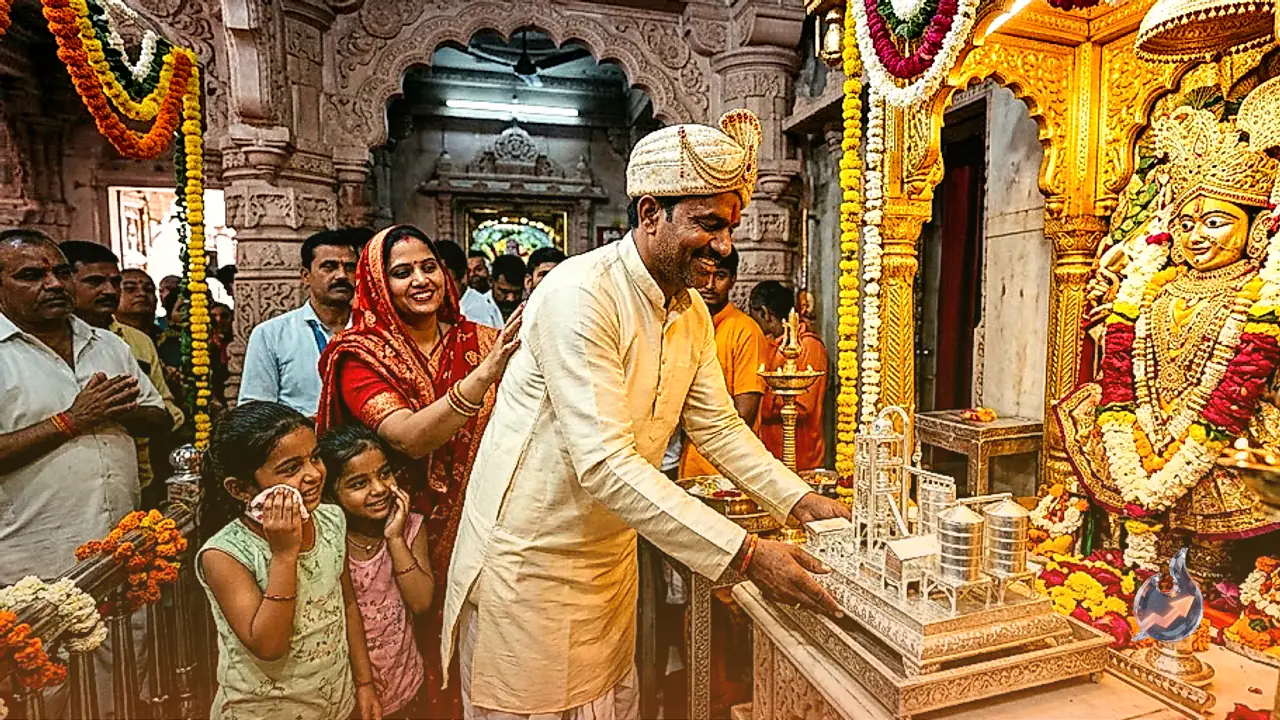
The temple witnesses a steady influx of devotees every day who arrive to offer worship and witness the ceremonies. Attendance surges significantly on auspicious days such as Mondays, Pradosh observances, monthly Shivratri, the holy month of Sawan, and the major annual festival of Mahashivratri. During these occasions, priests perform elaborate ritualistic consecration, traditional Abhishek, and mesmerizing ornamentation of Lord Shiva. On festive dates, the entire complex resonates with collective devotion, filled with the reverberating chants of Har Har Mahadev.
Standing for nearly a century and a half, the Laleshwar Mahadev temple continues to preserve the religious customs of the Bikaner royal family, fine heritage masonry, and an uninterrupted tradition of Shiva worship. Beholding the sacred Panchmukhi form adorned in dazzling royal gold continues to offer pilgrims a profound spiritual experience.