


















The 1990 theatrical release of Aashiqui marked a monumental turning point in the history of Indian Hindi cinema. Featuring fresh and relatively unknown actors like Rahul Roy, Anu Aggarwal, and Deepak Tijori, the film stormed the box office upon its release to become a historic blockbuster. Directed by Mahesh Bhatt and produced by T-Series founder Gulshan Kumar, the movie did not merely achieve massive commercial success; it effectively inaugurated a golden era of musical romantic dramas throughout the 1990s. Despite lacking established superstars, the project transformed its lead newcomers into household names overnight while delivering an unforgettable cinematic experience supported by seasoned actors such as Reema Lagoo.
A New Era of Musical Romances in Hindi Cinema
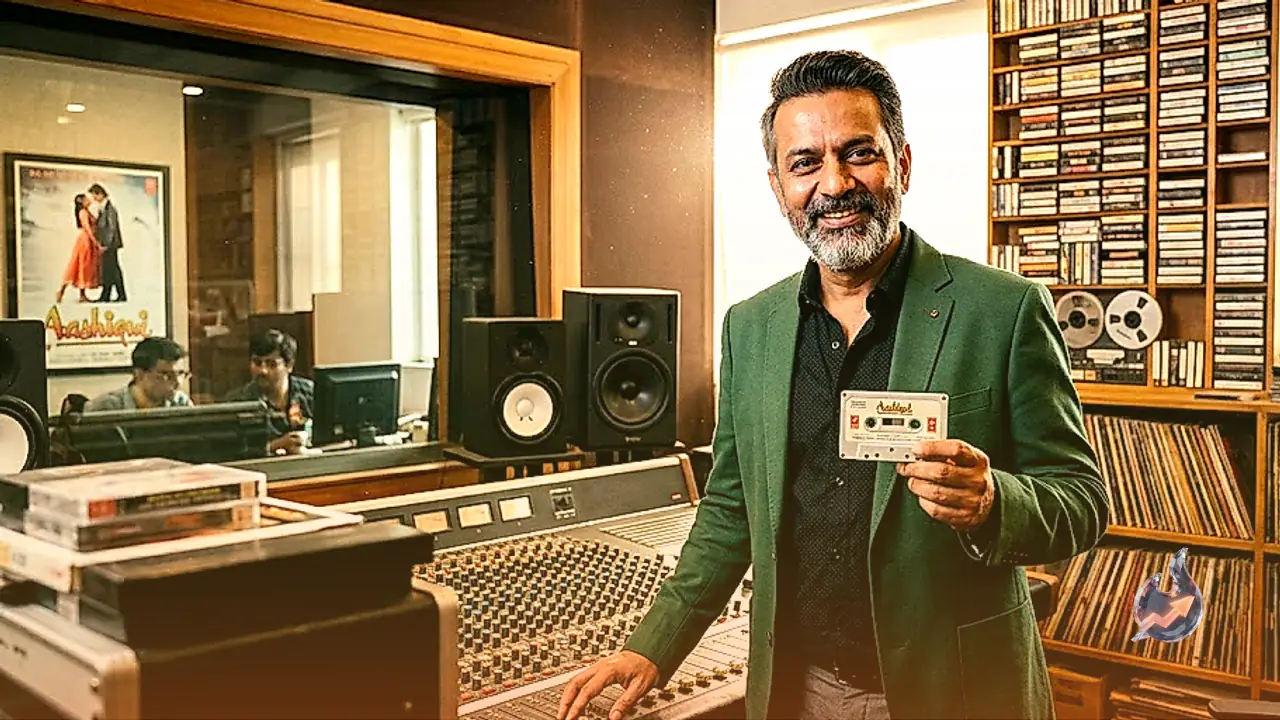
At the core of Aashiqui's unprecedented triumph was its mesmerizing soundtrack, which captivated audiences across the nation. The sheer quality and emotional resonance of its music allowed the film to gain widespread popularity among all segments of moviegoers. The credit for creating this iconic album goes to the composer duo Nadeem-Shravan, comprising Nadeem Saifi and Shravan Rathod. Crafting these tracks for T-Series, the duo revolutionized the Indian music industry and firmly established themselves at the very top of Bollywood's music scene.
An Unconventional Beginning: Songs Recorded Before the Script
One of the most fascinating aspects of Aashiqui's production history is that its music was composed before the screenplay was even written. The music duo Nadeem-Shravan collaborated with acclaimed lyricist Sameer Anjaan and playback singer Kumar Sanu to record several tracks in advance. When director Mahesh Bhatt listened to these completed compositions, he was so profoundly moved by their melody and depth that he decided to craft a full-length feature film story around the songs. Thus, an entire blockbuster motion picture was born out of a pre-recorded musical soundtrack.
The Masterful Collaboration of Lyricists and Singers
The official soundtrack album of Aashiqui comprised a total of 12 songs, which were released to the public on 26 1989. The lyrics for the album were penned by Sameer Anjaan, Rani Malik, and Madan Pal. Among the 12 tracks, Sameer Anjaan authored nine songs, while Madan Pal and Rani Malik penned one song each. On the vocal front, playback singer Kumar Sanu delivered a powerhouse performance by singing 9 tracks, while the remaining songs were voiced by Anuradha Paudwal and Udit Narayan. Everlasting classics such as Dheere Dheere Se Meri Zindagi Mein Aana, Nazar Ke Samne Jigar Ke Paas, Tu Meri Zindagi Hai, Main Duniya Bhula Doonga, Dil Ka Aalam, and Ab Tere Bin Jee Lenghe Hum were all part of this legendary album.
Anuradha Paudwal’s T-Series Chapter and the Rise of Nadeem-Shravan
The movie's musical journey also proved pivotal for playback singer Anuradha Paudwal. It was the composer duo Nadeem-Shravan who initially introduced Anuradha Paudwal to T-Series chief Gulshan Kumar. Following this introduction, she worked extensively and exclusively for T-Series over a significant period. The combined creative genius of the singers, lyricists, and composers birthed a musical romantic genre that dominated Bollywood throughout the 90s, laying the groundwork for subsequent musical hits such as Dil, Saajan, Phool Aur Kaante, and Deewana.
Record-Breaking Album Sales and Financial Boom for T-Series
Upon its release, the soundtrack of Aashiqui set unmatched sales records across the music landscape in India. Selling over 2 crore units, it earned a permanent place among the highest-selling Bollywood soundtrack albums of all time. This phenomenal album sale established T-Series as a dominant music label nationwide. The commercial success translated into astronomical financial growth for the company: T-Series recorded an annual income of 20 crore rupees in 1985, which skyrocketed to 200 crore rupees by 1991 following Aashiqui's success, eventually reaching 500 crore rupees by 1997.