























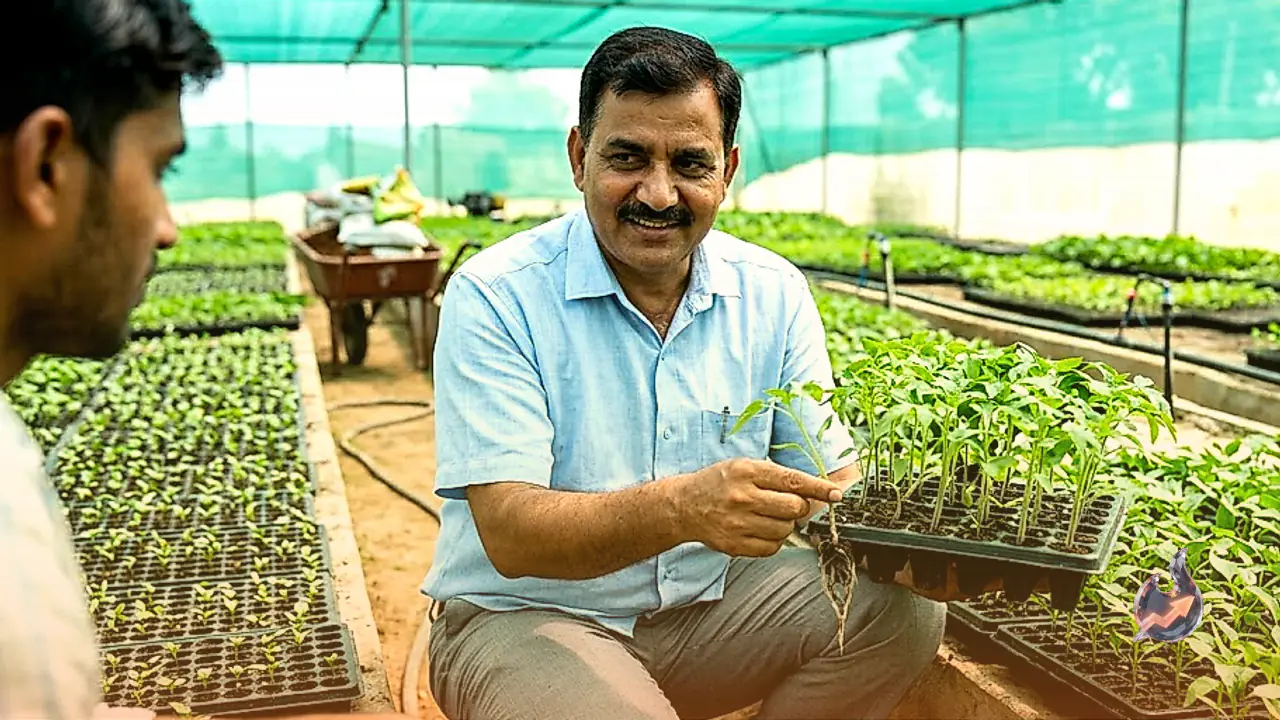

The transition period between the conclusion of the Kharif farming season and the early setup of Rabi crops is a decisive phase for vegetable growers. From the final week of July right through August, conditions become ideal for preparing nursery beds for chili, brinjal, and cauliflower destined for September field transplantation. When farmers replace traditional practices with scientific nursery management from the very beginning, seedlings develop robust health and natural disease resistance. Strong seedlings experience accelerated growth after being moved to the main fields while staying protected against prevalent pathogens. Highlighting the financial and operational benefits, Agriculture Expert Dinesh Jakhar explained that a healthy nursery serves as the foundation for high crop yield and superior quality. Producing vigorous saplings ensures a bountiful harvest, enabling farmers to command premium prices in competitive agricultural markets.
Optimal Location Selection and Raised Bed Construction
Selecting an ideal site for establishing the nursery requires careful planning. According to Agriculture Expert Dinesh Jakhar, nursery beds should always be located in elevated spots that feature excellent water drainage and receive direct sunlight throughout the day. Setting up nurseries in low-lying areas susceptible to waterlogging triggers severe root rot, seedling rot, and destructive fungal infections. To prevent stagnant water issues, beds must be constructed 15 to 20 cm above the natural ground level. A standard bed width of approximately 1 meter is recommended, while the length can be adjusted based on available farm space and operational requirements. Raised nursery beds facilitate effortless weeding, controlled irrigation, and seamless daily plant maintenance.
Protection Using Insect Proof Nets and Overhead Shade
Shielding delicate young seedlings from harmful insects and environmental stress is vital during the early growth period. Covering chili, brinjal, and cauliflower nursery beds with insect-proof nylon netting has become an indispensable modern practice. This fine net creates a physical barrier against whiteflies, aphids, thrips, and other sap-sucking pests. These specific insects act as primary carriers for devastating viral infections, including leaf curl and mosaic diseases. Preventing pest invasion at the nursery stage eliminates virus transmission before saplings are transplanted into open fields. Furthermore, installing shade netting at a height of approximately 6.5 feet shields sensitive saplings from excessive heat and harsh direct sunlight during peak temperature hours.
Certified Seed Selection Treatment and Row Sowing
Achieving maximum vegetable productivity relies heavily on selecting high-grade planting material. Agriculture Expert Dinesh Jakhar advises farmers to purchase only certified, disease-free seeds from authorized sources. Treating seeds with appropriate fungicides or bio-agents prior to sowing is essential to maximize germination rates and protect emerging seedlings against seed-borne and soil-borne pathogens. Rather than broadcasting seeds randomly, farmers should sow them systematically in straight rows at recommended intervals. Row sowing ensures that every individual seedling receives adequate airflow, space, and sunlight, preventing overcrowded and spindly growth. After sowing, seeds should be covered with a light layer of loose soil or well-decomposed farmyard manure, followed by gentle watering using a sprinkler fountain.
Soil Nutrition Enhancement and Managing Moisture Risks
Enriching the nursery soil structure directly impacts early plant vigor and root architecture. Incorporating well-rotted cow dung manure or nutrient-rich vermicompost into the nursery bed soil provides essential nutrients required for initial growth stages. The topsoil layer must remain loose, friable, and entirely free of weeds. Pre-treating the soil prior to sowing significantly minimizes the presence of harmful soil bacteria and fungal spores. While maintaining steady soil moisture is necessary for healthy sapling establishment, excessive watering must be strictly avoided. Excessively wet conditions trigger damping-off disease, a rapid seedling rot that can destroy entire nursery beds within a short period.
Rogueing Sick Seedlings and Main Field Transplanting
Continuous monitoring and timely rogueing are critical components of effective nursery health management. According to the agriculture expert, if any saplings display abnormal symptoms such as leaf curling, yellowing, leaf spots, or stunted growth, they must be uprooted and destroyed immediately to prevent disease transmission to surrounding healthy plants. Additionally, the areas surrounding the nursery beds must be kept clear of weeds, as weeds often host pests and pathogens that eventually migrate to main crops. Seedlings are fully mature for main field transplantation when they reach 25 to 35 days of age and develop 4 to 6 healthy leaves. Transplanting should preferably be conducted during late evening hours or on overcast days to minimize transplant shock. Applying light irrigation immediately after transplanting helps saplings establish roots quickly and resumes rapid vegetative growth.