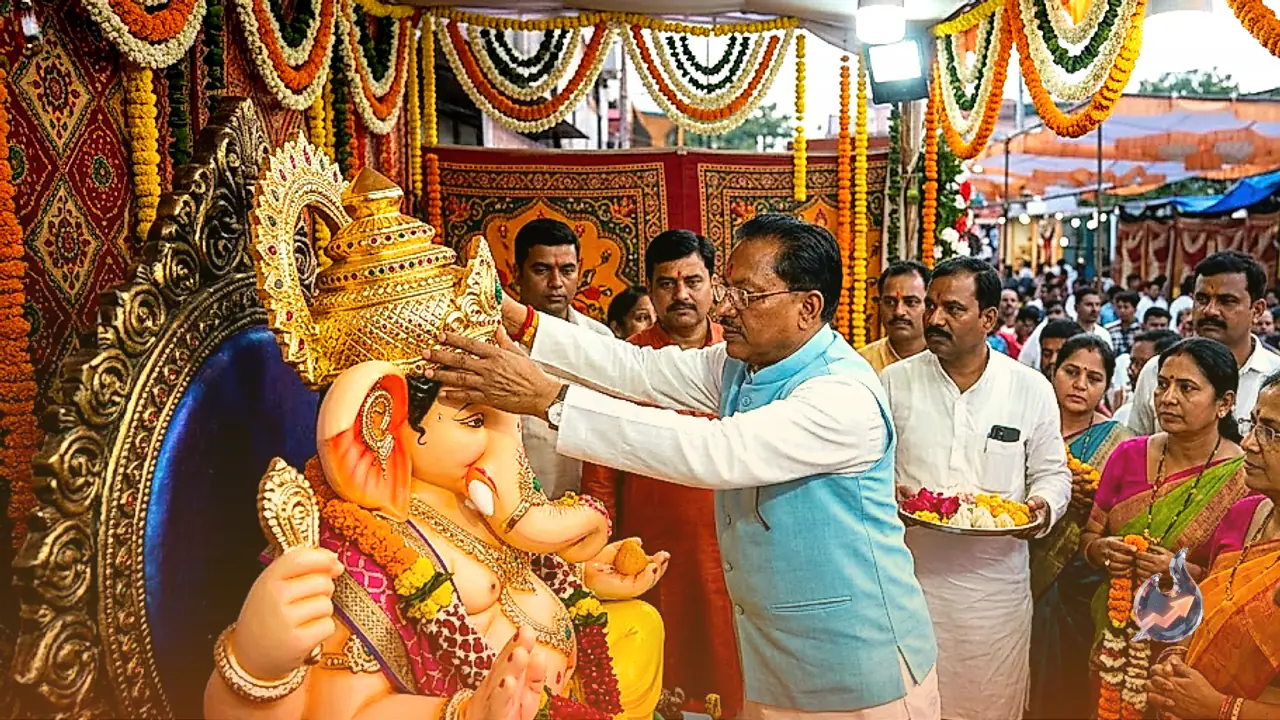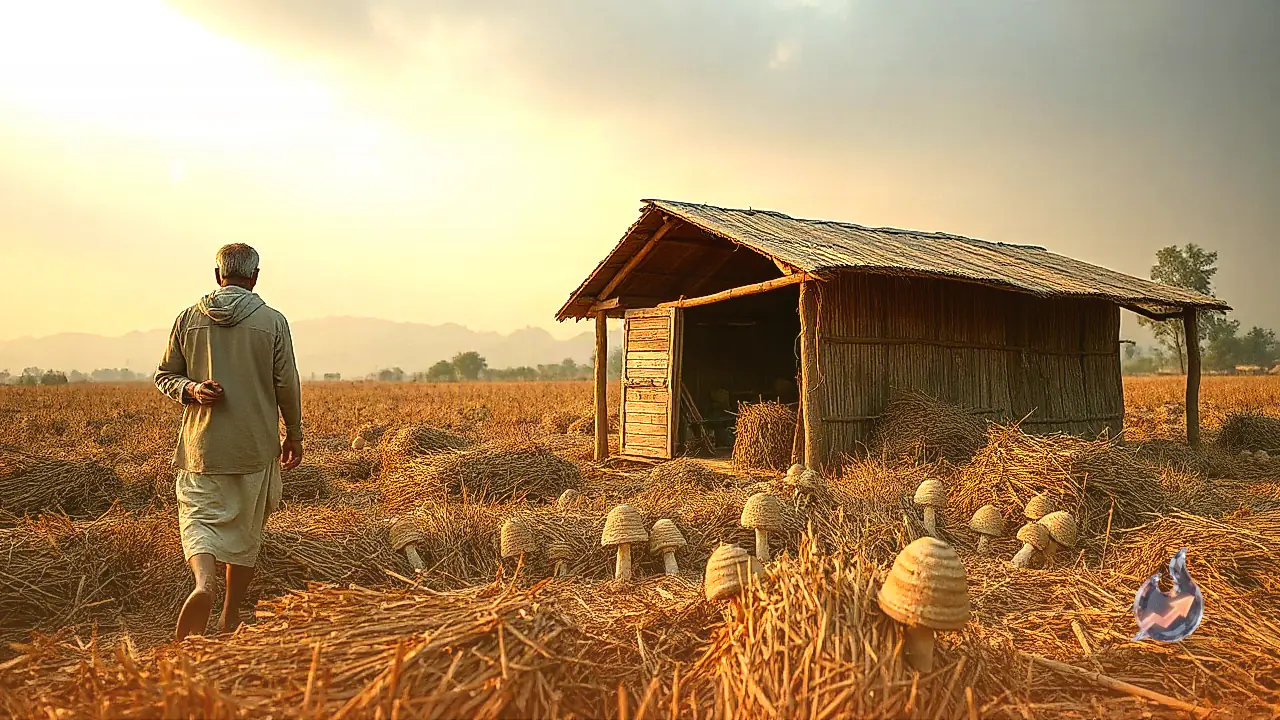

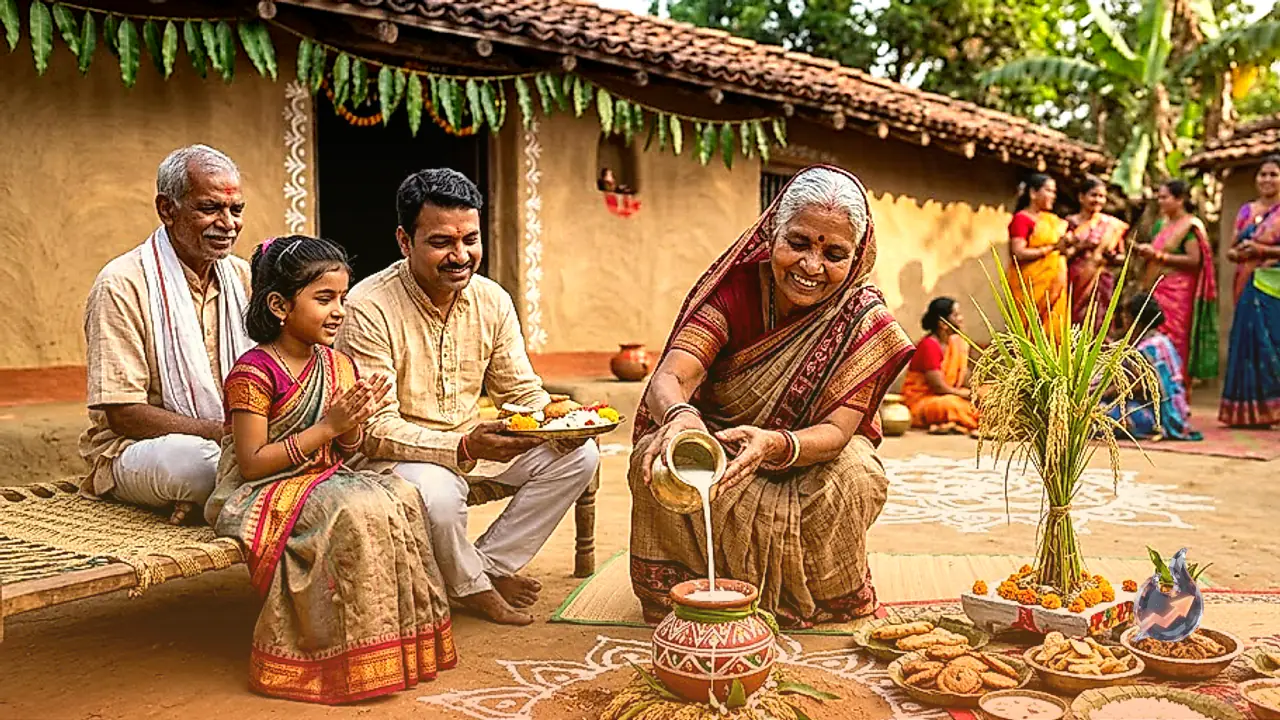

















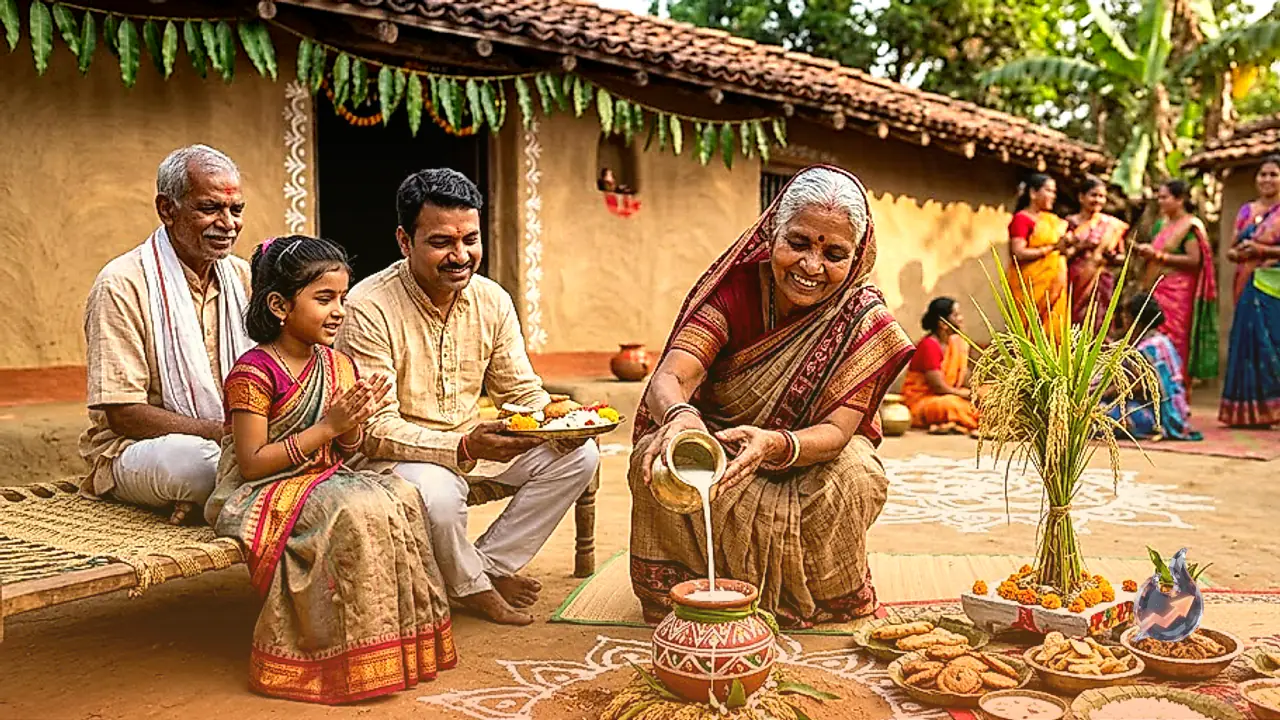

In Chhattisgarh, the Nuakhai festival is regarded as a significant occasion tied to the new harvest, familial unity, and age-old traditions. While this practice primarily originates from the western region of Odisha, its profound influence is clearly visible across multiple areas of Chhattisgarh. This year, the festival is being observed on the auspicious occasion of Rishi Panchami, which falls on September 15. Numerous families across Odisha and Chhattisgarh are celebrating this festival together through traditional customs.
Family Unity and Reunions
Antaryami Pradhan, a senior citizen from Milarabad village in Chhattisgarh, explained that Nuakhai is not merely a festival for consuming newly harvested grain, but also a tradition that brings families closer together. Information regarding the arrival of the festival reaches family members roughly two weeks in advance. Consequently, members who live away due to work or other commitments set aside all their pressing schedules and return home a day prior to the celebration.
Traditional Dishes and Dining Customs
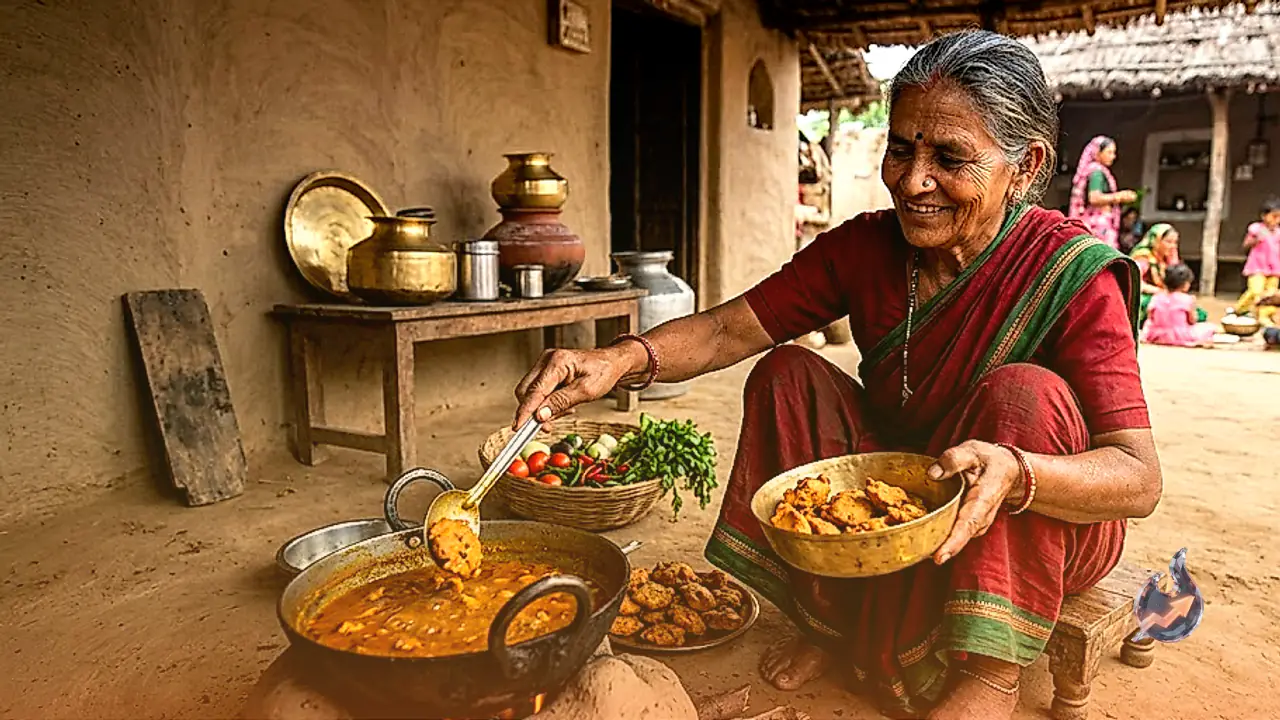
On the day of Nuakhai, a variety of traditional dishes and vegetables are prepared inside households. Several culinary items made specifically from mung beans are prominently featured during this celebration. Different communities in Chhattisgarh serve meals according to their local customs. For instance, members of the Kolta community uphold the tradition of eating meals served on plates and bowls made from mahua leaves, whereas other communities utilize different types of leaves depending on their specific heritage.
Rituals and Offering Milk to the Fields
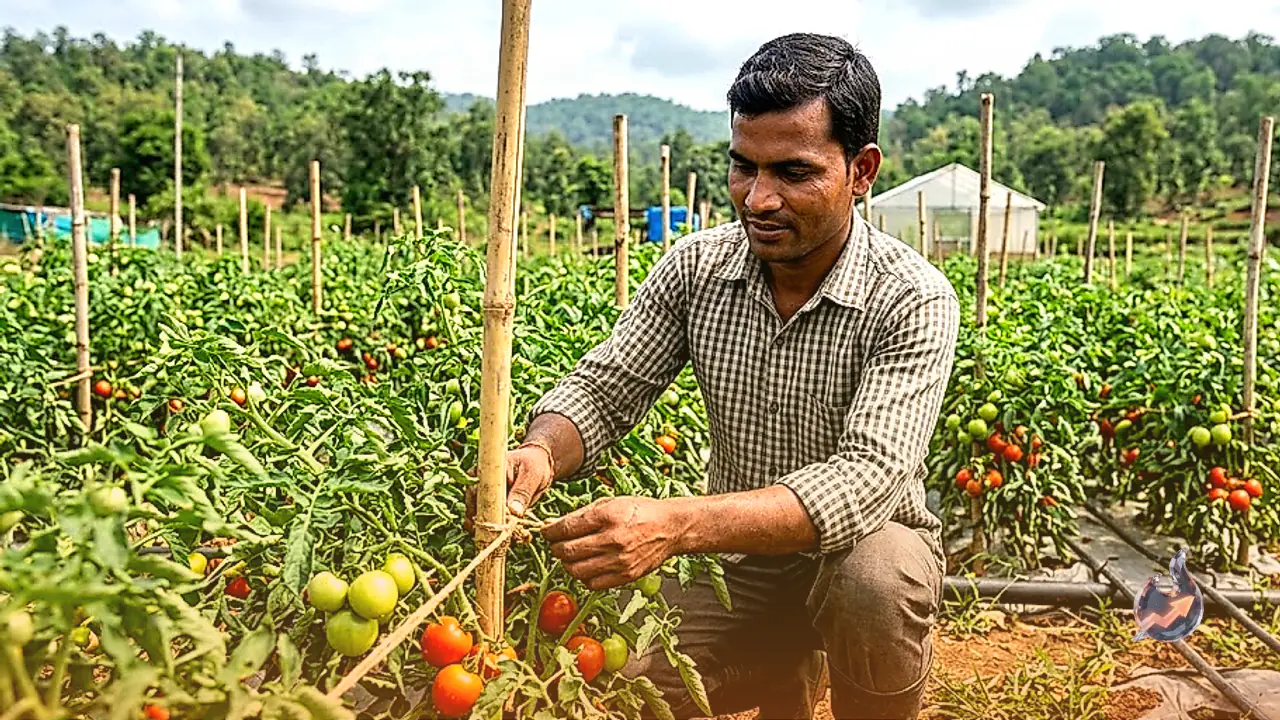
The festival commences with worship and prayers performed by the head of the household. Following this, a designated family member visits the fields, pours milk into the soil amidst the paddy crops, and seeks blessings from Mother Earth for providing the very first yield of the new harvest. Subsequently, the fresh grain is brought back home and distributed among all the family members.
Resolving Differences and Collective Dining
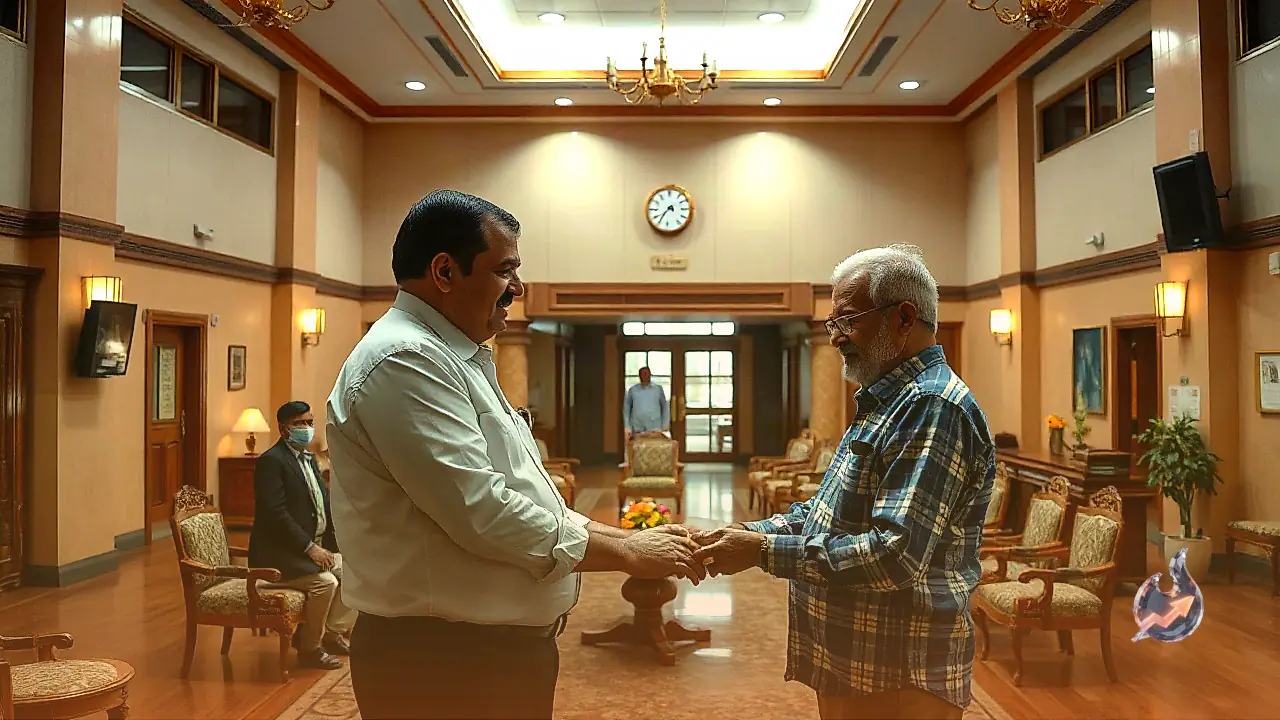
Once all family members partake in consuming the new harvest together, younger members touch the feet of their elders to seek blessings. It is widely believed that if any disputes or misunderstandings exist among family members, they are set aside on this day so everyone can share a communal meal filled with mutual love and brotherhood. During this gathering, men and women sit in separate groups to partake in the meal.
Historical Roots and Expansion
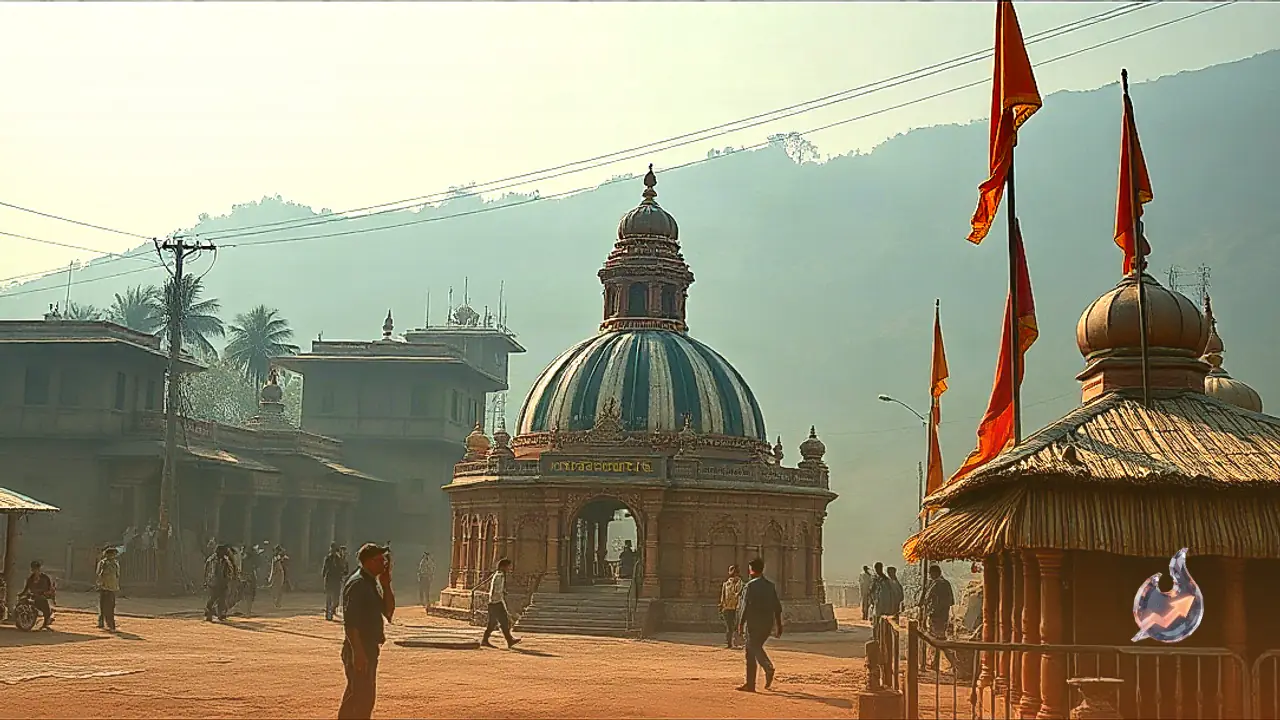
Historical accounts indicate that the tradition of the Nuakhai festival originated in the Sambalpur region of Odisha and eventually spread to various parts of Chhattisgarh over time. To this day, the festival continues to convey a powerful message of paying respect to the new harvest while reinforcing social and familial harmony.