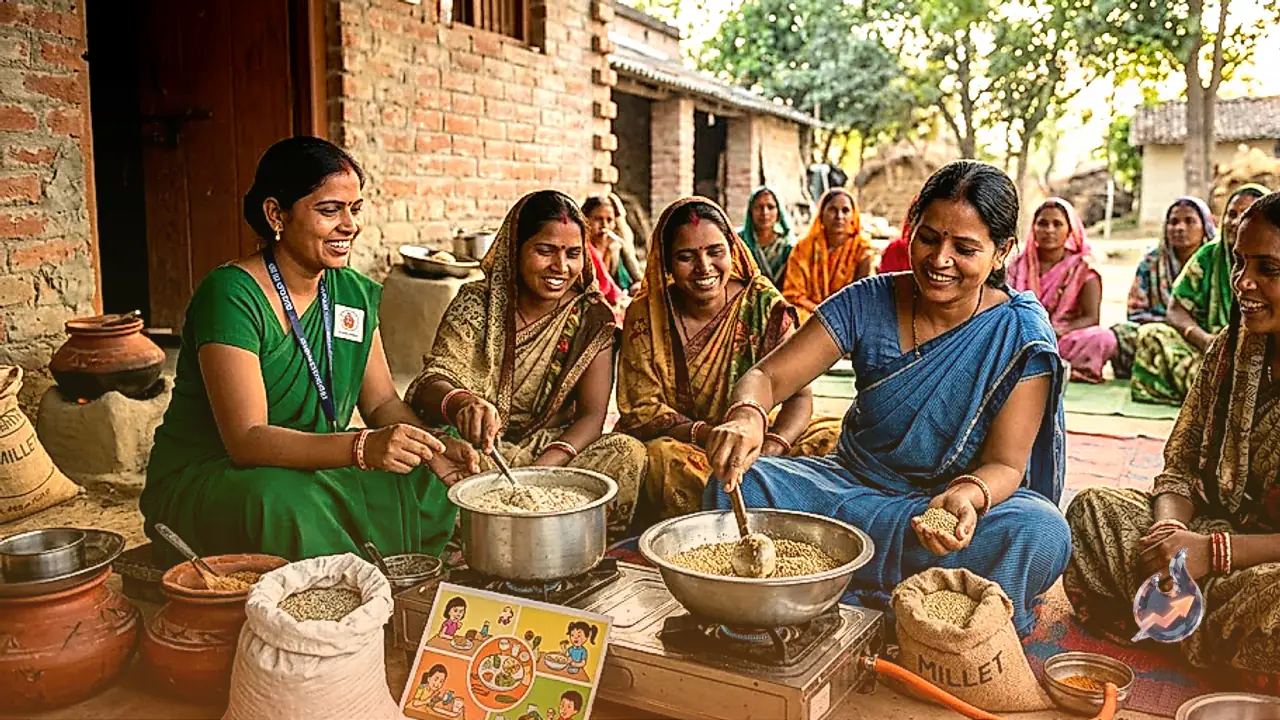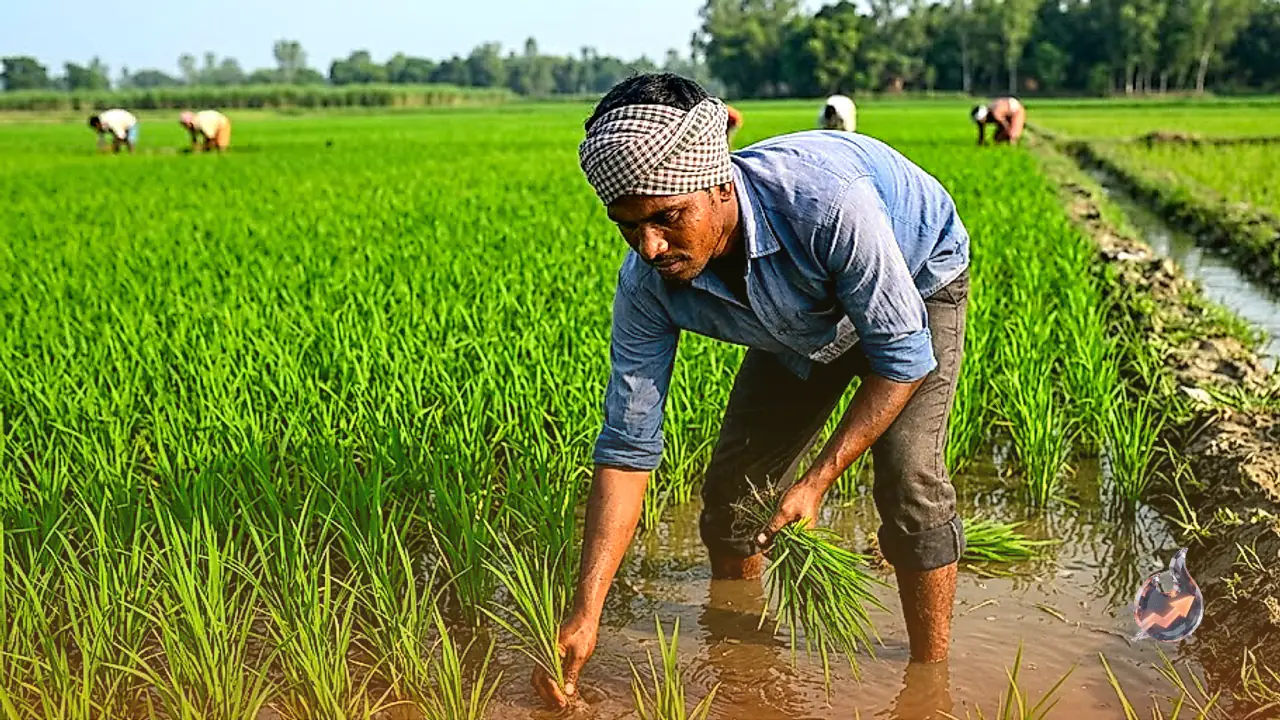



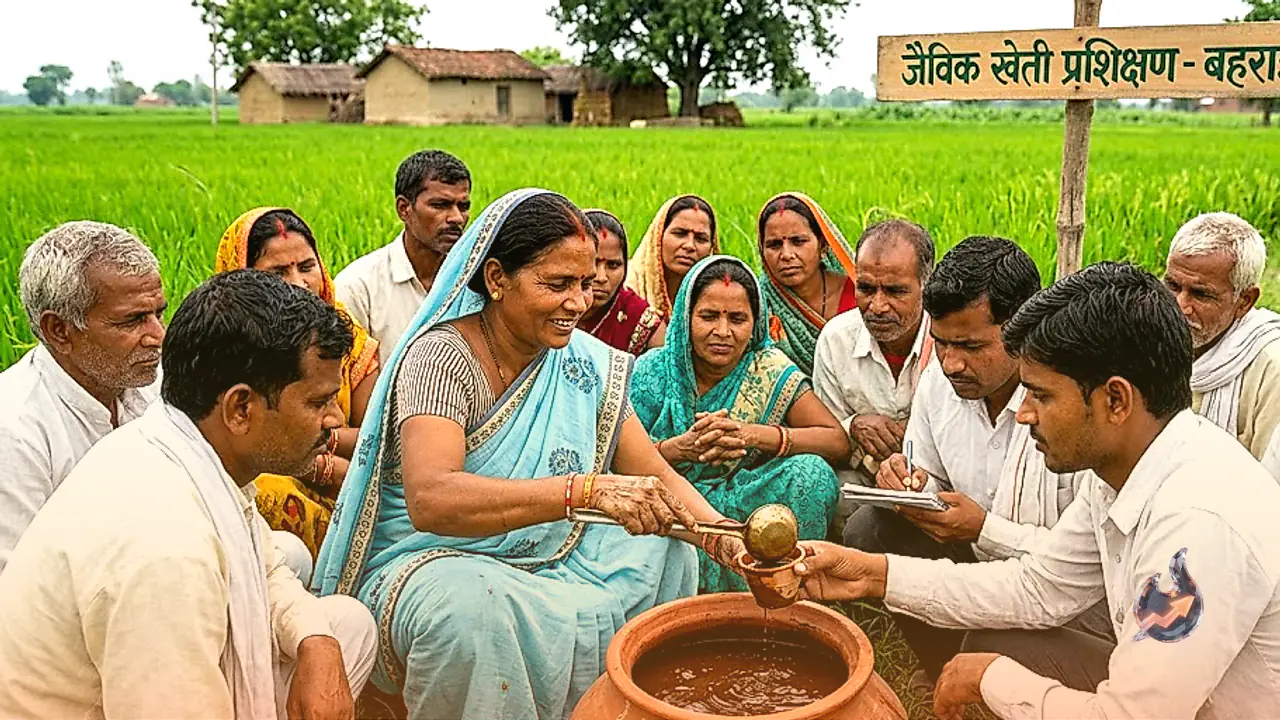

















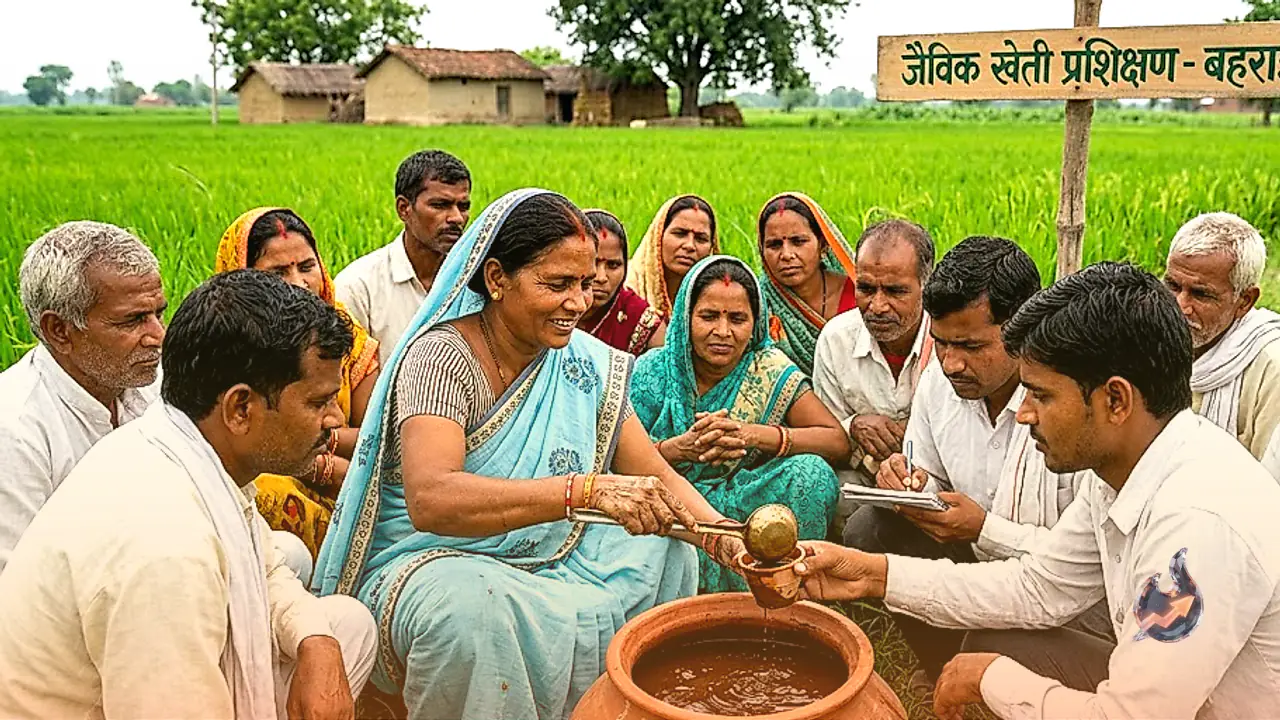

A remarkable transformation is taking place in the agricultural landscape of Bahraich district, where traditional and chemical-dependent farming methods are being challenged. Lalpari, a woman farmer residing in the Mirzapur gram panchayat under the Tejwapur block, has successfully discovered a safe and effective alternative to chemical fertilizers. Working in her capacity as a Krishi Sakhi, Lalpari is not only practicing organic farming in her own fields but is also actively training and inspiring hundreds of local farmers to adopt chemical-free agriculture.
Organic fertilizer made from cow dung and natural elements
The indiscriminate use of chemical fertilizers and urea has been steadily degrading soil health. To combat this issue, Lalpari has started producing Ghandhwamrit, a dry organic fertilizer made primarily from cow dung and other natural ingredients. This concoction serves as a boon for crops and acts as a potent substitute for chemical urea. Utilizing this organic mixture accelerates crop growth and substantially enhances overall agricultural yields compared to conventional methods.
Simple and effective method of preparation
Unlike chemical fertilizers, Ghandhwamrit causes no harm to the soil or the crops. Merely 1 quintal of Ghandhwamrit fertilizer is sufficient for about 5 bighas of agricultural land. According to the agricultural guide Lalpari, the preparation process requires specific ingredients including 100 kilograms of cow dung, 10 liters of cow urine, 2 kilograms of jaggery, 2 kilograms of gram flour, and a small quantity of living soil rich in microorganisms.
All these components are thoroughly mixed together. Small balls are formed from this blended mixture, or it is left out to dry in the sun. Once completely dried, the material is crushed using a stick to form a fine powder. This prepared fertilizer can be safely stored in sacks for up to 6 months and can be conveniently sprinkled across fields whenever required by the farmers.
Empowering farmers through training
The beneficial bacteria present in Ghandhwamrit help maintain soil fertility for a prolonged period. Lalpari from Bahraich is now producing this fertilizer independently and simultaneously imparting practical training to fellow farmers on how to make it. Her core mission is to encourage as many people as possible to transition towards chemical-free farming practices for long-term sustainability.