























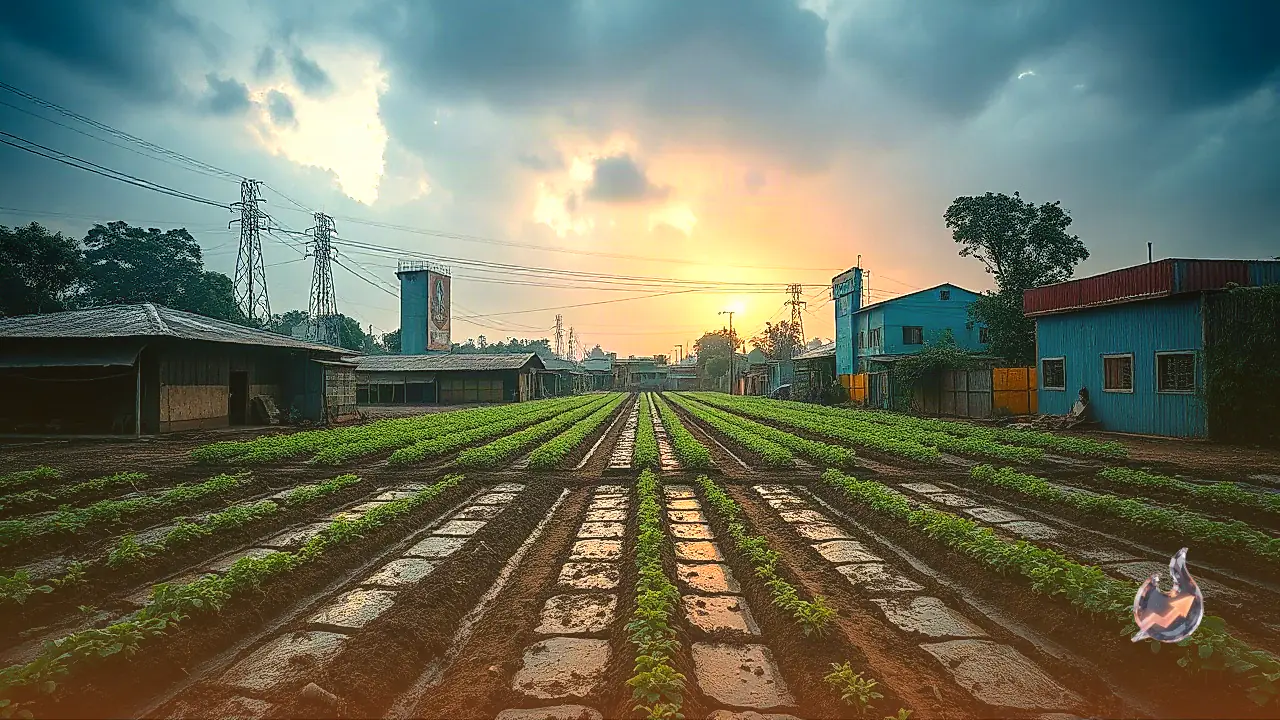

In Rohtas, continuous downpours and water accumulation in agricultural fields during the monsoon season pose a major challenge for vegetable growers. Excessive moisture during this period significantly increases the threat of plant diseases and pest infestations. Improper farming methods can severely impact both the quality and overall yield of vegetables. To address these agricultural hurdles and secure better harvests, Dr. Ratan Kumar, an agricultural scientist at Krishi Vigyan Kendra Bikramganj, has offered crucial guidance for local farmers on how to manage their crops effectively.
Opt for Sandy Soil and Raised Beds
According to Dr. Ratan Kumar, sandy soil proves much more suitable for vegetable cultivation during the monsoon because it offers significantly better drainage. Farmers should build raised beds or ridges before sowing seeds or planting crops so that rainwater does not stagnate in the field, thereby protecting the delicate root systems from damage. Waterlogging in agricultural fields serves as a primary hazard for vegetable crops during this rainy stretch, making proper soil selection essential.
Use Machan Methods for Vine Crops
The scientist explained that employing trellis or machan methods for vine vegetables yields far greater benefits than letting them spread across the ground. Raising crops like bottle gourd, ridge gourd, and cucumber onto elevated structures prevents the vines and developing fruits from coming into direct contact with wet soil. Excessive dampness often causes fruits to rot and triggers plant diseases, but keeping them off the ground minimizes these risks while providing adequate space for healthy plant growth.
Prepare Seedlings Instead of Direct Sowing
Dr. Ratan Kumar advised that instead of dropping seeds directly into open fields during the rainy season, growers should first raise seedlings inside plastic cups or small containers. Once the seedlings develop sufficiently, transplanting them into the main field helps mitigate the heavy losses often caused by intense early-stage downpours. Proper seed and seedling treatment must be carried out prior to plantation in the field to ensure maximum crop survival.
Fungus Prevention and Proper Plant Spacing
In line with the expert recommendations, seeds should be treated with a recommended fungicide before sowing to suppress seed-borne fungal infections. After seedlings mature, treatment can be repeated following expert advice before final field transplantation. Furthermore, overcrowding plants must be avoided during the monsoon. Maintaining a proper distance of roughly two by two meters between vine plants and rows ensures they receive adequate sunlight and fresh air, reducing disease transmission caused by high humidity.
Apply Organic Neem Solutions for Pest Control
Farmers can utilize eco-friendly, neem-based organic sprays to manage pests effectively without relying heavily on harsh chemical insecticides. The scientific advisory suggests boiling two and a half kilograms of neem leaves in five liters of water until the liquid volume reduces to about two and a half liters. Once strained, this concentrated solution can be mixed at a rate of four to five milliliters per liter of water and sprayed across the vegetable crops to keep destructive pests at bay.