























Global fashion brands are rethinking where they get their clothes made, and a new assessment from brokerage 360 One Capital argues that shift could finally hand India's textile and apparel industry the multi-year growth run it has been chasing for two decades. The report frames this as a structural window rather than a short-lived bump, driven by companies pulling back from heavy reliance on Chinese factories and looking to spread their sourcing across more countries.
Why brands are looking past China
According to the report, geopolitical tension and the push for sturdier, less concentrated supply chains are pushing apparel buyers to actively hunt for alternative manufacturing bases instead of leaning on a single country. That search is exactly the kind of demand India has wanted to tap into, and the brokerage believes firms built around large-scale garment production, tightly integrated manufacturing, close buyer relationships and consistent execution stand to gain the most from it.
A chance India has fumbled before
The report doesn't treat this as a guaranteed win. It points out that India has had similar tailwinds in the past and still failed to turn them into lasting export gains, so friendly trade terms by themselves won't be enough this time either. Numbers make the point: India's slice of world apparel trade has stayed stuck near 3 per cent for years, while Bangladesh climbed to roughly 9 to 10 per cent and Vietnam moved up to about 6 to 7 per cent over the last two decades. The brokerage argues the real fight for India is no longer about cheap labour. Buyers now judge suppliers on how much they can produce, how fast they can deliver, their logistics, their compliance record, sustainability practices and how resilient their supply chain is overall.
Stitching together the missing piece
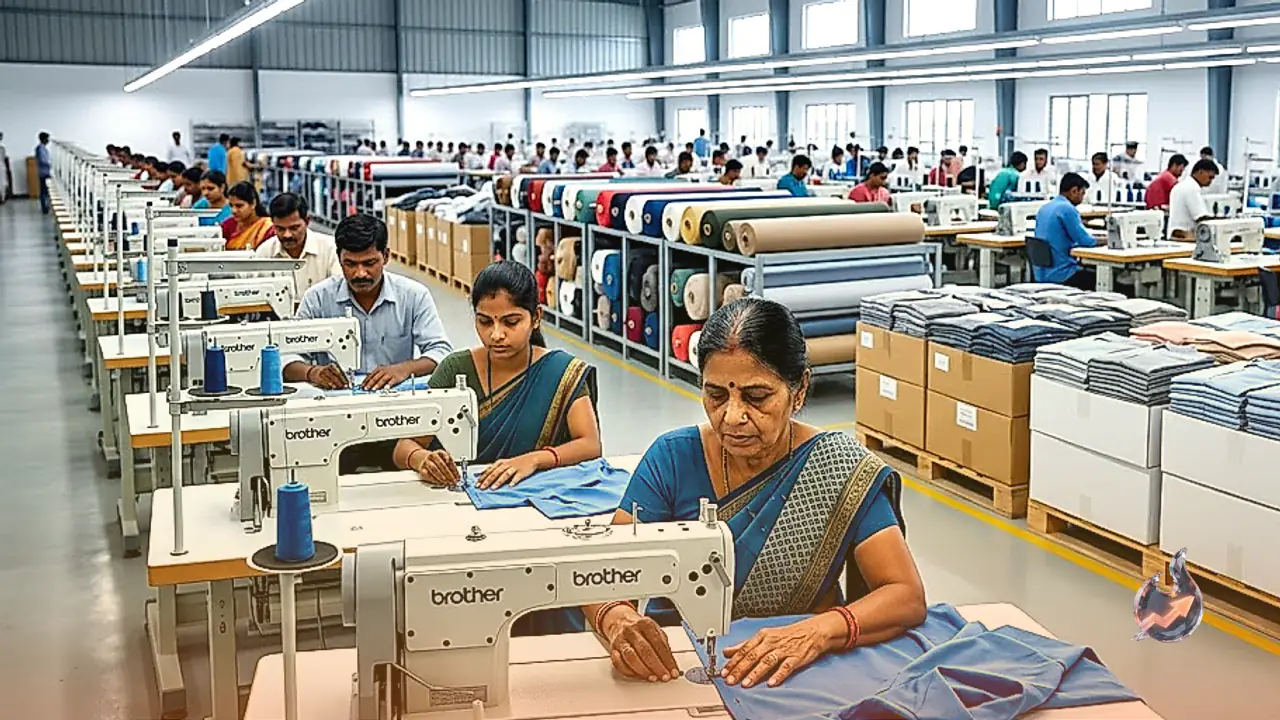
Garment manufacturing itself is called out as India's single biggest weak spot, and also its single biggest opportunity. Production units are described as fragmented and too small individually to take on the large, high-volume orders global brands typically place, which limits how much value Indian companies can actually capture from the business that does come their way. Going forward, according to the report, what will decide who wins is output per worker, how well factories are run day to day, how much automation they adopt and whether they deliver on time, not simply how little they pay workers.
Moving beyond cotton
The report also flags that India needs to widen its fibre base. Global demand is tilting toward man-made fibres, performance wear and technical textiles, away from a cotton-only focus. That means Indian manufacturers will need to build up capability in advanced fibres and yarns, while simultaneously working on cotton itself, lifting its productivity, quality and how easily it can be traced back to its source.
Trade deals help, but only with follow-through
Newly signed trade pacts, including the India-UK free trade agreement, are expected to make sourcing from India cheaper for buyers, but the brokerage stresses that tariff benefits only turn into steady, repeat orders if Indian factories are actually ready to deliver at scale. As the report put it, "the industry therefore needs multiple trade agreements alongside meaningful expansion in garmenting capacity, technical capabilities, compliance and new labour-rich manufacturing clusters."
Who actually cashes in
Looking ahead, the brokerage expects automation, sustainability credentials and traceability to become the factors that separate winners from the rest of the pack. Its overall takeaway is that India's textile opportunity is real and sizeable, but the biggest payoff will go to companies that combine large-scale operations, tight integration, productivity gains, fresh product innovation and careful capital spending, rather than those simply counting on favourable trade policy or low wages to carry them through.