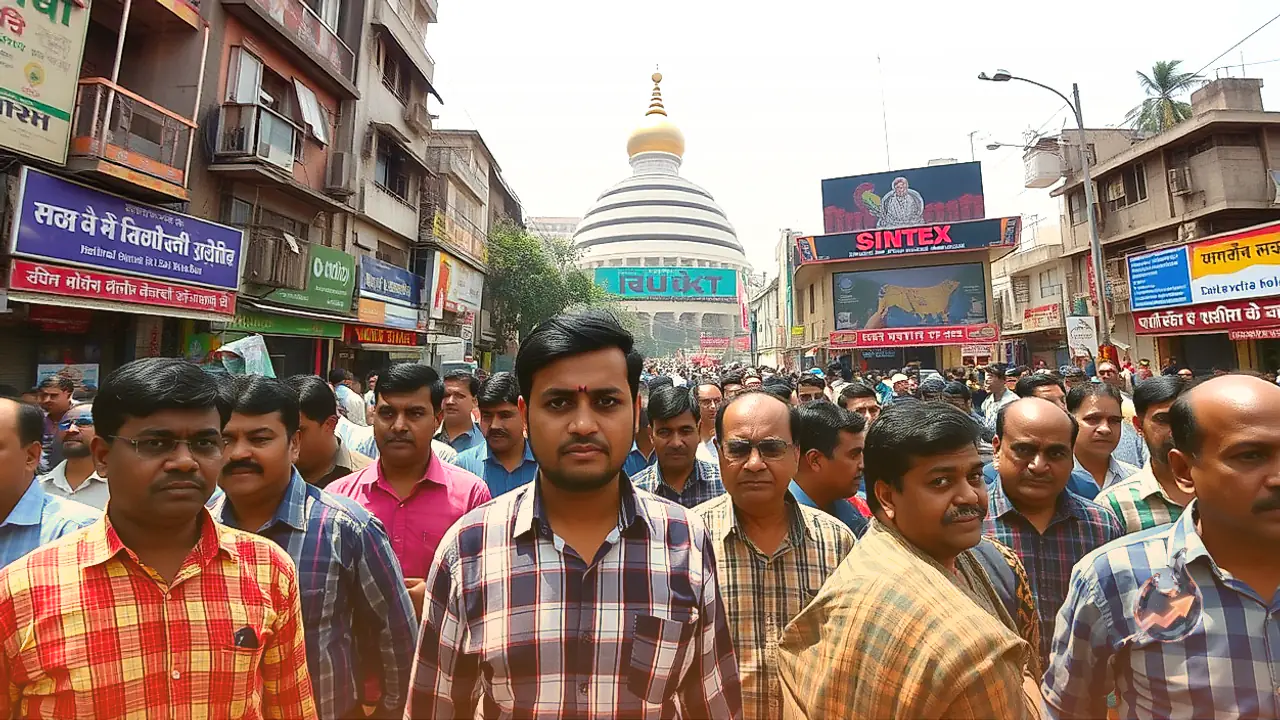

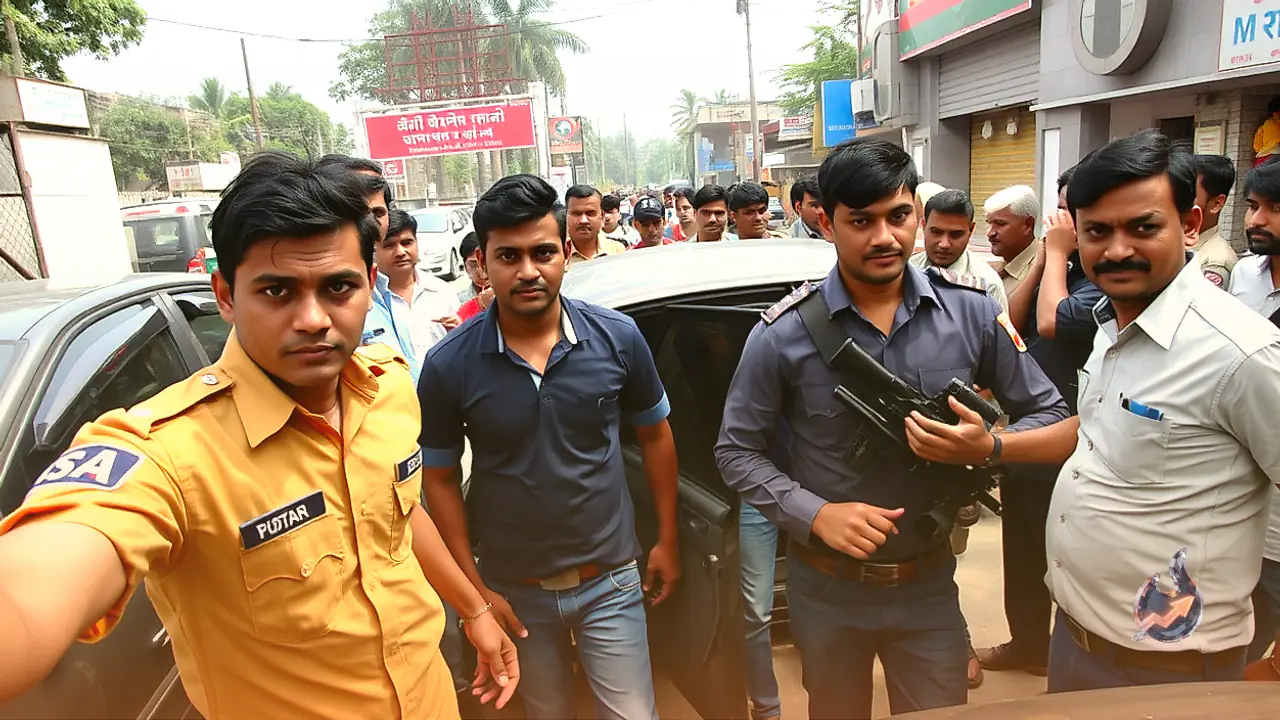














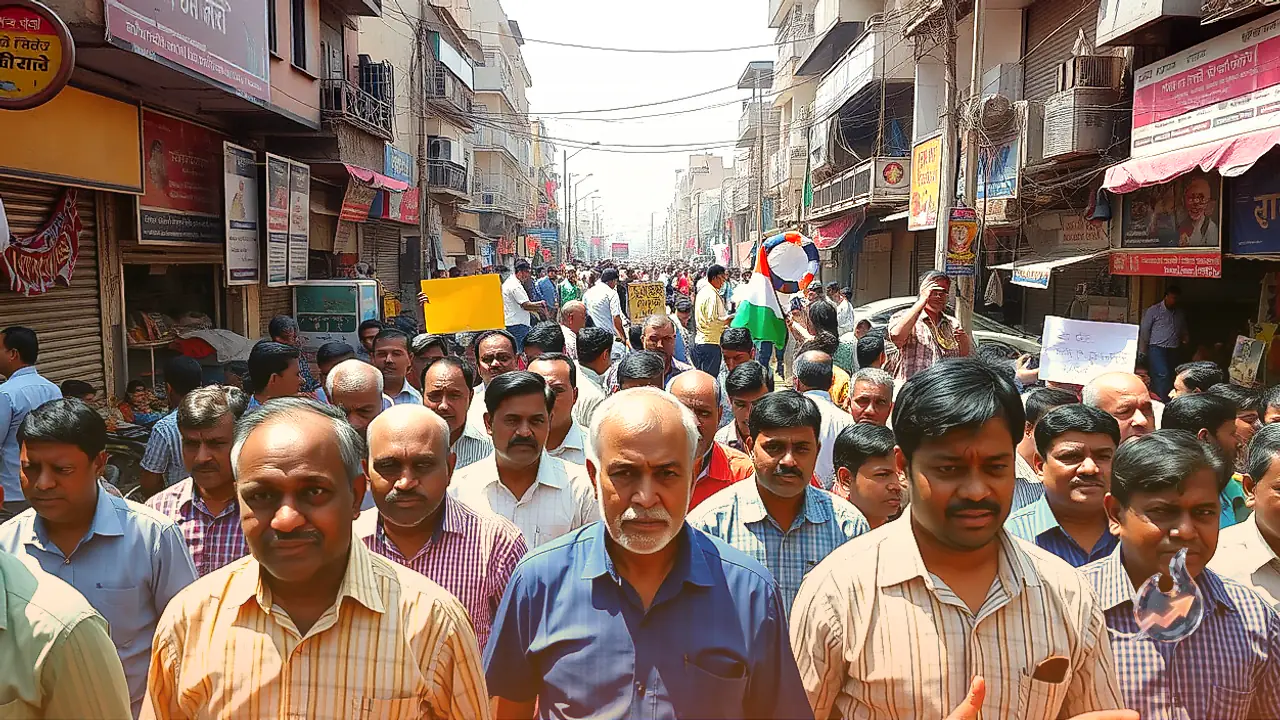

Commercial activity in the national capital came to a grinding halt on October 10 following severe restrictions linked to planned demonstrations. Abhijit Dipke, founder of the Cockroach Janata Party (CJP), had called for a protest gathering at Jantar Mantar. Taking note of past demonstrations organised by the outfit, Delhi Police denied official permission for the event. To maintain law and order across the city, security personnel ordered commercial establishments across New Delhi to remain completely closed. This forced suspension of retail operations caused trade losses running into thousands of crores of rupees, leaving hundreds of thousands of store owners in distress.
Festive Trade Crippled With 2000 Crore Loss
The Chamber of Trade and Industry (CTI) stated that disruptions on October 10 caused an estimated 2000 crore rupees in business losses across Delhi in a single day. The sudden halt affected the livelihood and financial planning of over 20 lakh traders operating in the capital. In response, the trade body appealed directly to the CJP along with every other political party to refrain from organizing any strikes, blockades, or sit-ins until the festive period concluding with Diwali is over.
Letter to Political Parties Warns of Economic Collapse
In a formal communication sent to the CJP and political outfits, the business chamber highlighted the seasonal timing of the shutdown. The letter pointed out that the commencement of Navratri and Ramlila celebrations marks the beginning of the annual festive shopping cycle. For Delhi's 20 lakh merchants, this window represents the most lucrative earning period of the calendar year. Prolonged agitations, the organisation warned, would shatter the capital's commercial structure and wipe out small business revenues during their peak season.
Call to Shift Protest Venues Outside Delhi
Dated October 11, the trade body's letter emphasized the cultural and economic role of public festivities. Delhi hosts around 650 Ramlila events, which collectively generate employment for lakhs of stage workers and artisans. Whenever demonstrations trigger road closures and shut down metro stations, citizens avoid venturing out for shopping as well as cultural gatherings. The CTI urged political groups to stage demonstrations in alternative cities until Diwali, allowing Delhi's festive trade to function smoothly without causing hardships to common residents.
Disruption Hits Country's Major Distribution Hub
The business body explained that Delhi serves as the country's central distribution network, funneling commercial consignments across India and international export markets. Under normal circumstances, between 3 lakh and 4 lakh outstation buyers arrive in Delhi's wholesale and retail markets daily to source goods. When public transport freezes and security barricades appear, this vast inflow of buyers vanishes entirely, impacting regional commerce beyond city borders.
Breakdown of Commercial Impact on October 10
The shutdown led to visible paralysis across major commercial hubs and consumer service sectors
- Prominent marketplaces including Sadar Bazar, Chandni Chowk, Chawri Bazar, Connaught Place, Karol Bagh, and Lajpat Rai Market remained shut, with neighbouring markets recording minimal activity.
- The regular footfall of 3 to 4 lakh outstation buyers visiting wholesale districts dropped to zero.
- Fearing massive traffic congestion and strict security checks, local Delhi residents also stayed indoors instead of shopping.
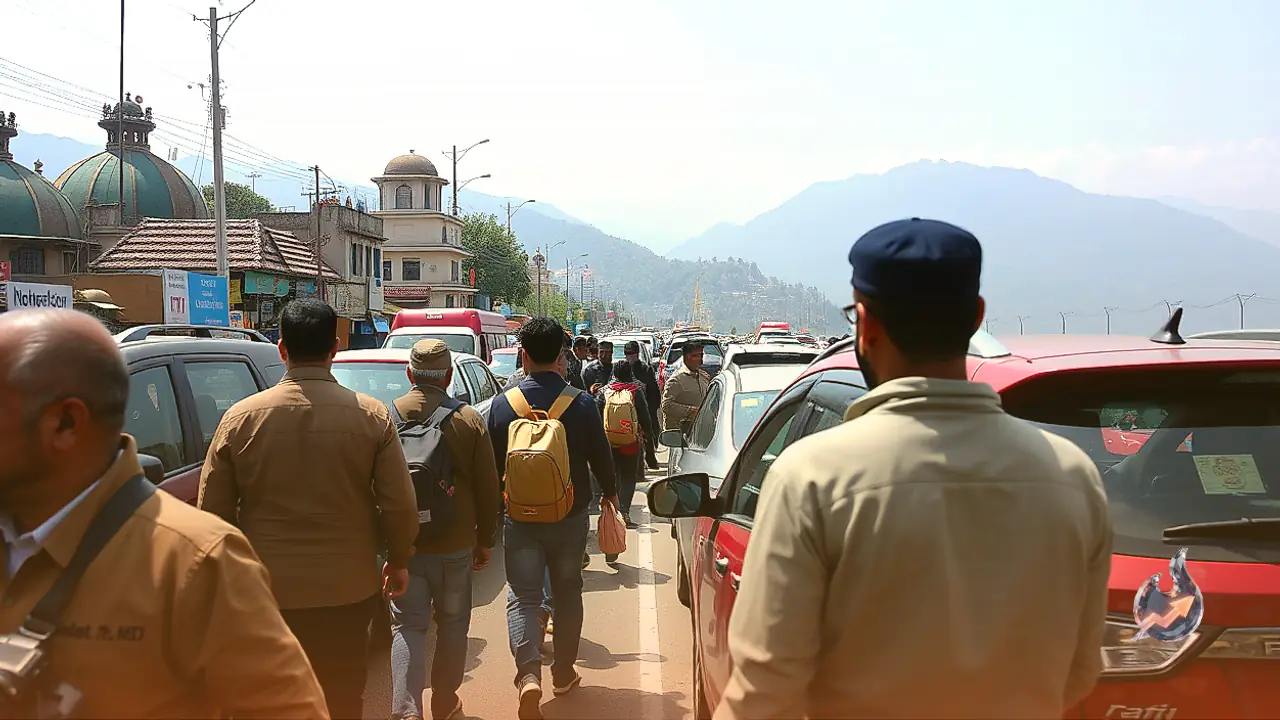
- Access to several vital metro stations was suspended, cutting off primary transit corridors for city commuters.
- Fuel stations experienced deserted forecourts, while hotels, restaurants, movie theatres, salons, and beauty parlours recorded mass cancellations of advance bookings.
The Chamber of Trade and Industry noted that the fallout extended far beyond retail sales. The comprehensive 2000 crore rupee hit dealt a collective blow to hospitality, logistics, local transport, tourism, and personal service sectors throughout the city.