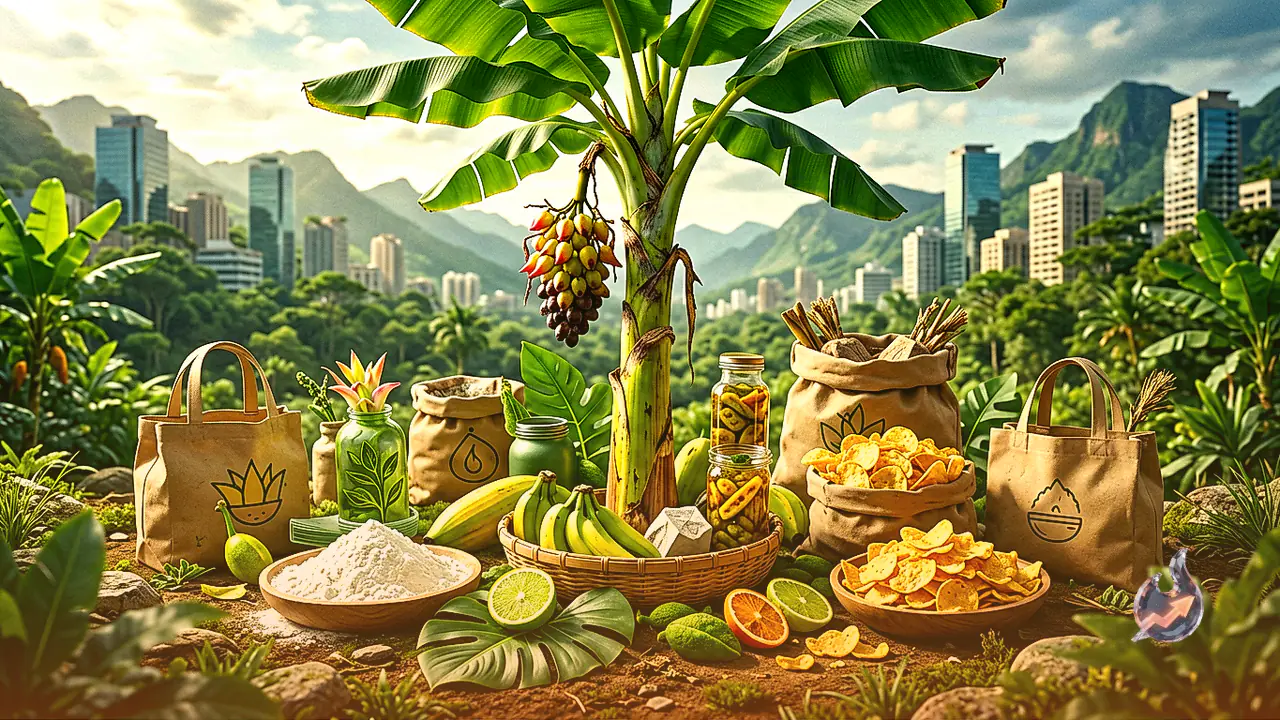






















In the evolving landscape of agricultural processing, banana cultivation is witnessing a significant shift toward comprehensive plant utilization. Traditionally, after harvesting the fruit, large portions of the banana tree—including the trunk, flowers, and leaves—were treated as agricultural waste and discarded in fields. However, an innovative processing framework has emerged that converts every single part of the banana plant into commercially viable products. Ranging from stem-based functional beverages and floral pickles to eco-friendly carry bags crafted from leftover plant fibers, this zero-waste processing concept is enhancing food product diversity while creating new revenue opportunities from agricultural residual biomass.
Banana Stem Energy Drinks Enhanced With Ginger
The central stem of the banana tree, which was historically left to decompose in farm fields, is now serving as the core raw material for a novel functional beverage. An energy drink is extracted and formulated directly from the inner core of the stem. To improve the flavor profile and overall palatability, a precise amount of ginger extract is blended into the beverage. The addition of ginger modifies the taste and aromatic notes, making the drink refreshing and enjoyable to consume. Transforming a previously ignored agricultural byproduct into a commercial beverage marks a notable development in crop utilization technology.
Raw Banana Flour as a Versatile Kitchen Staple
The utility of banana fruit is no longer restricted to ripe consumption. Unripe green bananas are now being processed into specialized banana flour. The production involves drying the raw bananas thoroughly before milling them into a fine powder. This flour can be incorporated into a wide array of culinary dishes and recipes. Valued for its culinary adaptability and nutritional attributes, banana flour is steadily establishing its own market identity. It serves as a practical, alternative ingredient for consumers seeking diverse culinary options beyond conventional wheat or rice flour.
Crafting Unique Pickles From Banana Flowers and Stems
Banana flowers and stem tissues are also being processed into traditional-style pickles, offering a distinct flavor experience to consumers. The banana flower pickle is prepared by combining the edible floral parts with a selected blend of aromatic spices, creating a rich and savory taste profile. Similarly, the banana stem is processed into a distinct pickle using indigenous edible oils (desi oil) and spice mixtures. The combination of oil and spices turns the fibrous stem into a flavorful food reserve, effectively bringing two non-traditional plant parts into the commercial food market.
Salted Spicy and Sweet Varieties of Banana Chips
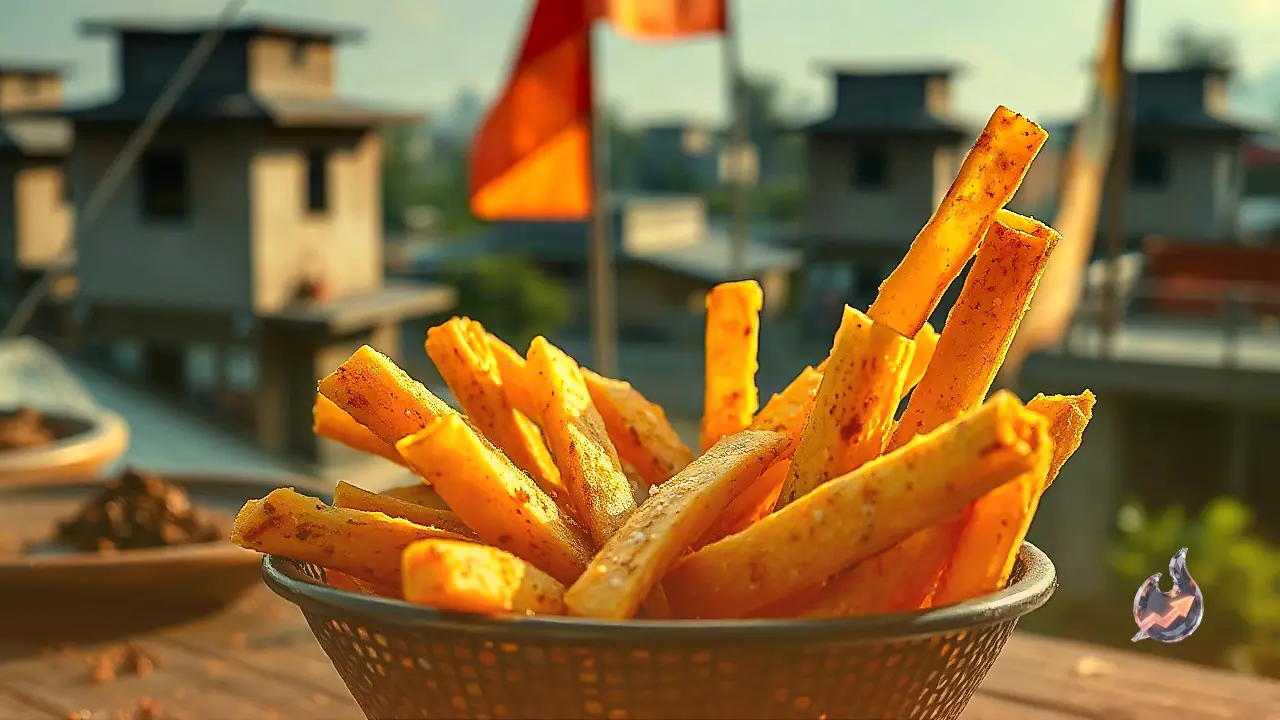
To cater to varied consumer preferences, banana chips are being manufactured in two distinct flavor profiles. The first option is a lightly salted and spicy variant tailored for consumers who prefer savory snacks. The second option offers a slightly sweet taste profile, achieved by blending specific flavor ingredients during processing. Offering both spicy and sweet varieties enables manufacturers to appeal to a broader demographic, reinforcing the market presence of banana-based snack foods.
Fresh Botanical Ingredients for Cooking and Market Expansion
Beyond packaged snacks and beverages, raw botanical components of the banana plant are being supplied directly to fresh food markets. The banana flower and the tender core of the stem are widely used as vegetable ingredients in traditional cooking. Prepped raw materials are being distributed to retail markets so consumers can conveniently prepare fresh vegetable dishes at home. Moving forward, plans are underway to scale up the processing operations and expand the distribution network of these banana-derived items across larger commercial markets.
Leaf Sales and Eco-Friendly Bags From Residual Biomass
The defining feature of this entire enterprise is its commitment to zero-waste resource management. Fresh banana leaves are collected and commercialized for use as traditional eco-friendly dining plates and ceremonial materials. Furthermore, the residual biomass and fibrous materials remaining after extracting juice, flour, and pickle ingredients are retained rather than discarded. This post-processing waste is converted into durable carry bags and other utilitarian goods. By monetizing every constituent of the banana plant, this holistic approach converts agricultural waste into a productive and profitable economic model.