





















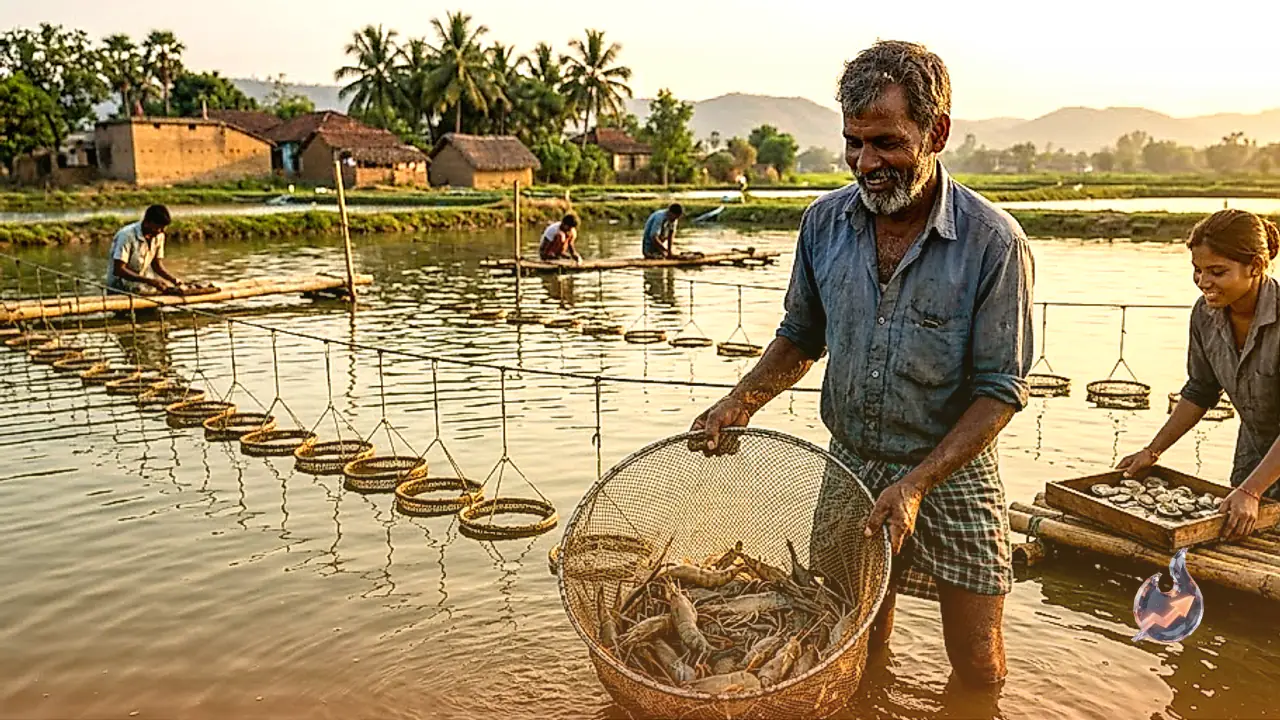

Aquaculture is fast turning into a profitable avenue for farmers and youth looking to boost their income in Gaya, Bihar. To encourage this shift, the administration is providing generous subsidies of up to 60 percent to eligible beneficiaries. Because prawns command strong demand in local markets and fetch significantly higher prices than regular fish varieties, authorities are actively promoting this practice through the fisheries species diversification scheme.
Understanding The Scientific Approach
Prawn farming operates as a scientific aquaculture system where freshwater prawn species are cultivated directly inside ponds. The local climate and water resources in Bihar offer a favorable environment for this venture. When farmers pay close attention to water quality, balanced nutrition, and scientific management, they can secure impressive yields in a short span. The region features thousands of hectares of ponds, reservoirs, and traditional water channels that can easily be utilized for cultivating prawns.
Nutritional Value And Market Rates
Market rates for prawns typically start at a minimum of 500 rupees per kilo. Beyond being a culinary delicacy, the seafood is widely recognized for its health benefits. It is considered effective for muscle health because it contains high levels of premium protein. Additionally, it packs a substantial amount of iodine, which plays a vital role in regulating thyroid hormones and preventing goiter.
Costs, Subsidies, And Application Process
Gaya District Fisheries Extension Officer Nagendra Kumar explained that establishing a prawn farming unit requires approximately 0.5 acres of land. A single unit involves an estimated investment of 1.10 lakh rupees, backed by a 60 percent government grant. The district has been allocated a target of one unit for prawn cultivation this current year.
Alongside prawns, financial support is also active for catfish and pearl production. Catfish farming focuses on stinging catfish, bearing a unit cost of 1.35 thousand rupees with a target of one unit designated for the district. Meanwhile, pearl farming has received a target of two units, requiring an estimated unit cost of 2.24 lakh rupees for a 0.5-acre pond. Farmers interested in taking advantage of these programs can submit their applications online by visiting fisheries.bihar.gov.in.