























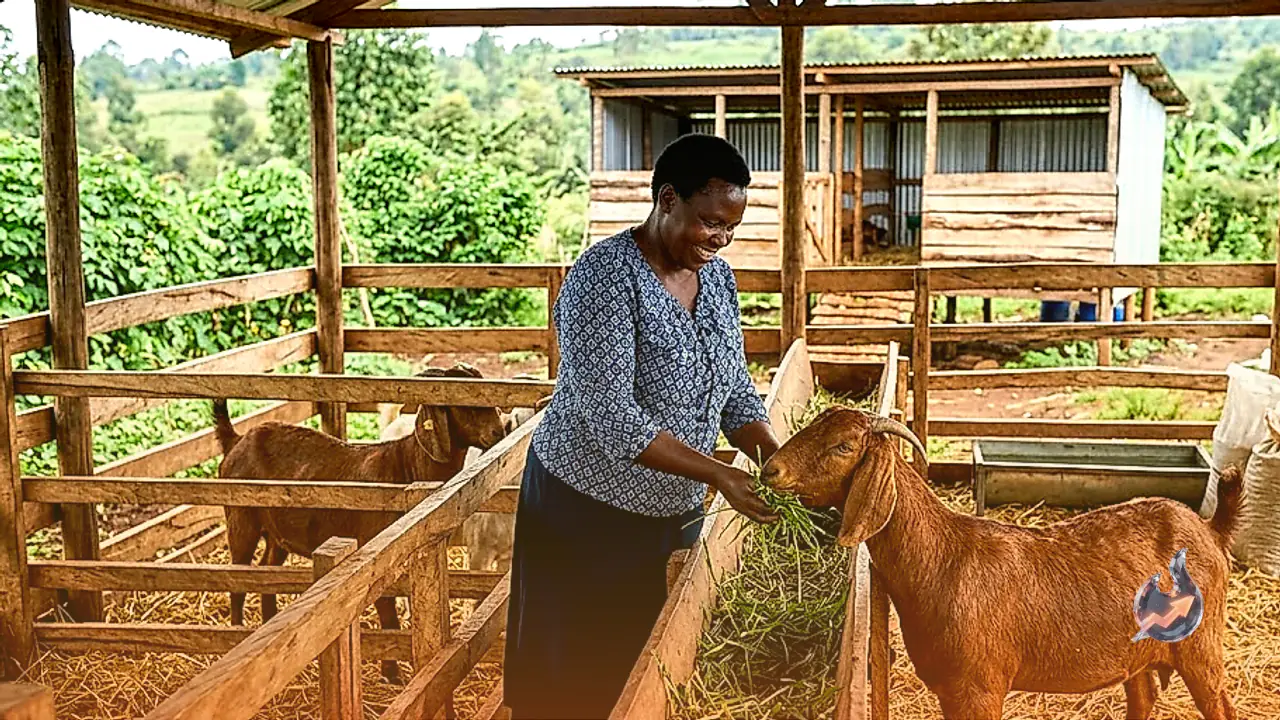

In rural regions like Bhilwara, livestock rearing serves as a dependable supplementary income source alongside traditional farming. Goat farming stands out as a particularly viable enterprise that can be initiated with a restricted budget. It eliminates the need for expansive acreage or heavy financial investments. Farmers have the flexibility to start with just a few goats depending on their financial capacity and gradually expand their herd over time. This venture opens multiple revenue streams through the sale of milk, offspring, and adult goats for meat.
Selecting Healthy Livestock and Proper Breeds
Before launching a goat farming operation, the most crucial preliminary step is choosing healthy animals of superior breeds. When purchasing goats from the market, it is essential to verify their health status, age, body weight, and vaccination records. Starting with a modest number of animals rather than a large herd is considered a prudent approach. This allows the farmer to manage animal husbandry tasks efficiently while gaining practical business experience. As expertise grows over time, the herd size can be progressively increased.
Providing Clean Shelter and Balanced Nutrition
Constructing a clean and well-ventilated shed is vital for the well-being of the goats. The shelter should be situated in a location where rainwater does not accumulate, offering adequate protection from heavy downpours, scorching heat, and bitter cold. Floors must be maintained cleanly, with regular removal of manure and debris. Continuous access to clean drinking water is a fundamental requirement. Special attention must be paid to dietary intake, as a balanced and nutritious diet keeps the goats healthy and accelerates the growth of their kids.
Health Monitoring and Disease Prevention
To minimize potential financial losses in goat farming, maintaining constant vigilance over the health of the animals is imperative. If any goat displays symptoms of illness, it should immediately be isolated from the rest of the herd and examined by a veterinary doctor. Timely vaccinations and necessary medical treatments drastically reduce the risk of contagious disease outbreaks. Farmers should maintain steady contact with local veterinary centers and stay informed about government subsidies, schemes, and training programs available in their region.
Understanding Market Demand to Maximize Profits
Maximizing revenue in this enterprise requires more than just raising animals; it demands a thorough understanding of market dynamics. Farmers can proactively research where the demand for goats is highest in their vicinity and determine the optimal timing for securing favorable prices. Keeping track of local livestock markets, traders, and buyers facilitates better decision-making during the selling phase. Furthermore, focusing on the quality and health of the animals rather than merely inflating herd numbers yields significantly better economic returns.
Leveraging Government Schemes and Support
In states like Rajasthan with strong livestock traditions, governmental bodies routinely implement various support systems and welfare schemes to promote goat farming. Therefore, prior to establishing the business, farmers should visit their nearest animal husbandry department or relevant government office to gather up-to-date details regarding grants, financial aid, training sessions, and eligibility criteria. By combining proper breed selection, a small-scale start, diligent care, disease prevention, and market intelligence, farmers can successfully develop goat farming into a structured and profitable rural enterprise.