





















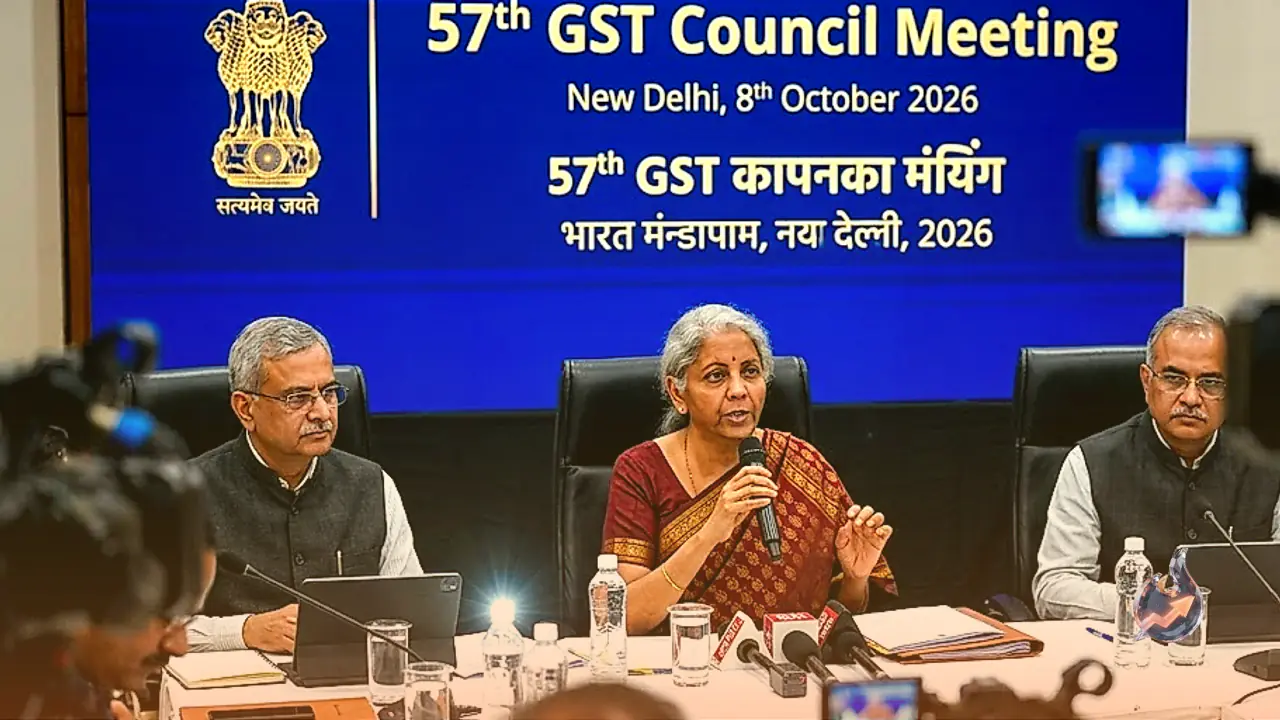

Chaired by Union Finance Minister Nirmala Sitharaman, the 57th GST Council meeting approved a significant series of administrative reforms designed to protect taxpayers and simplify day-to-day business operations across the country. The fresh directives seek to ensure that minor compliance lapses, technical omissions, or filing delays do not result in heavy-handed enforcement measures. Under the revised framework, ordinary procedural faults will lead strictly to tax recovery, statutory interest, and proportionate financial penalties rather than aggressive departmental action.
Complete Abolition of Arrest Powers for Tax Officials
In a decisive move to decriminalize commercial infractions, the Council has eliminated the statutory powers enabling GST officials to arrest individuals directly under tax laws. Simultaneously, the minimum threshold required to initiate criminal prosecution has been elevated from ₹1 crore to ₹5 crore. Furthermore, the mandatory minimum jail sentence clause has been removed entirely, leaving any future determination regarding imprisonment or monetary fines strictly to judicial discretion.
General Penalties Scaled Down to Rs 10,000
For violations where no specific punitive rate is prescribed in the statute, the standard default penalty has been reduced from ₹25,000 to ₹10,000. In situations where a business owner submits returns late, commits an accounting slip, or lags on payments, tax authorities will limit their interventions to collecting the pending dues, interest, and proportionate fines. Under regular operational circumstances, businesses will not face disproportionate harassment or arbitrary enforcement steps.
Threshold Exemption on Notices Below Rs 10,000
To reduce unnecessary litigation for micro and small enterprises, the Council decided that no fresh demand notices will be issued for tax discrepancies amounting to ₹10,000 or less. Alongside this bar on future communications, existing notices for amounts within this ceiling are set to be officially withdrawn. Standardized national criteria will also be implemented so that tax scrutiny and procedural inquiries follow an identical rulebook across every state.
Goods Transit Scrutiny Limited to Joint Commissioner Approvals
The rules governing the interception and physical inspection of goods in transit have been heavily tightened to ensure smoother interstate freight movement. Authority to halt, inspect, or confiscate consignments will now rest solely with officials from either the supplying state or the destination state. Furthermore, transit consignments can only be stopped if specific, actionable intelligence is registered, and such an intervention will mandate formal authorization from an officer holding at least the rank of Joint Commissioner.
Accelerated Refunds Within Three Days and Faster Deregistration
Routine amendments to registration certificates, such as adding a supplementary place of business, will now be processed through automated approvals. The procedural turnaround time for processing GST registration cancellation requests has been trimmed down from 15 days to 10 days. Additionally, nearly 90 percent of eligible refund applications assessed through risk evaluations are expected to be disbursed within three business days, while automatic releases of excess ledger cash will help free up crucial working capital for enterprises.