



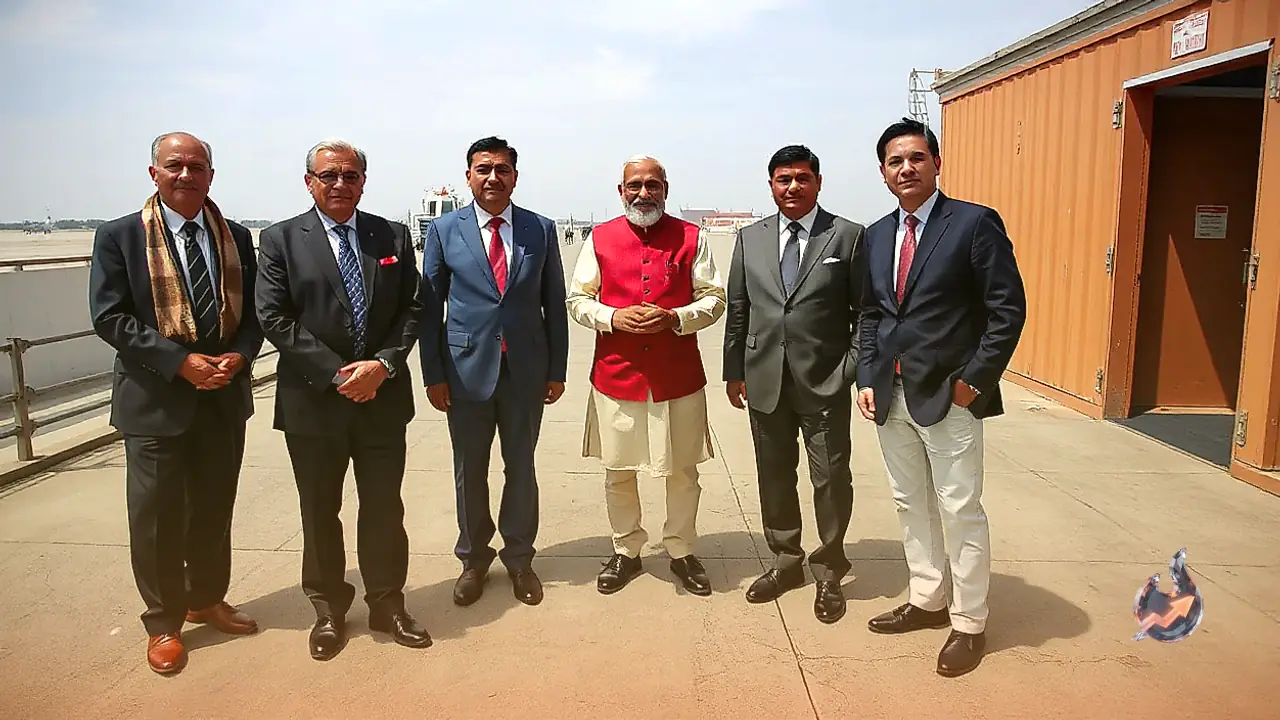














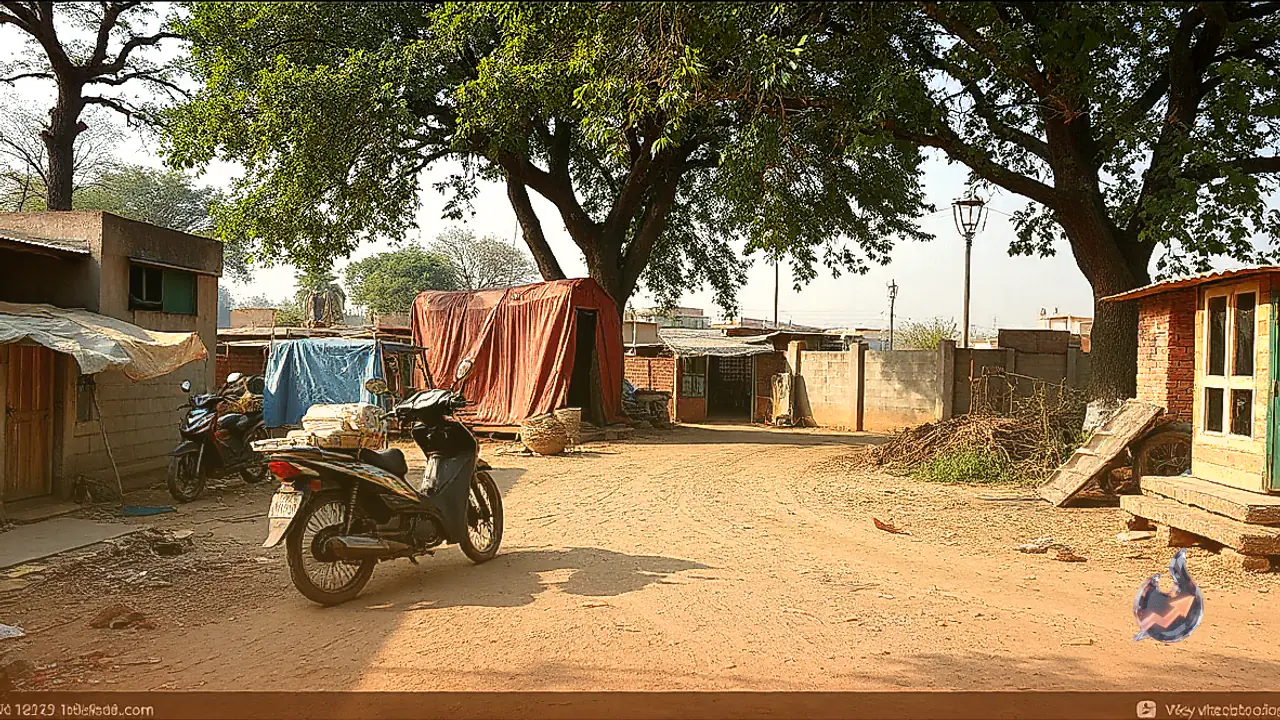

A fundamental shift in the approach toward rural development has been outlined, advocating that villages across India should be transformed into dynamic centres of production, innovation, and enterprise rather than being treated merely as passive delivery points for welfare assistance. Speaking on Saturday at the fifth Rohini Nayyar Prize ceremony, former NITI Aayog CEO Amitabh Kant underscored that rural citizens require fair economic returns, secure rights, responsive public infrastructure, and unhindered access to credit. He emphasized that genuine national progress hinges directly upon empowering village communities as creators and contributors rather than viewing them as objects of sympathy.
Reimagining Rural Livelihoods Through Economic Rights
Elaborating on the core elements required to meaningfully upgrade rural household incomes and overall quality of life, Amitabh Kant detailed the foundation of a progressive rural growth model. He noted that development frameworks must acknowledge rural populations as producers, innovators, and full citizens. Kant emphasized that rural families do not seek pity, but instead require equitable remuneration for their output, dependable public utilities, guaranteed legal rights, direct access to formal finance, robust digital connectivity, and fundamental societal respect. These pillars, he indicated, form the essence of personal dignity and equal opportunity across the countryside.
Warning against the longstanding habit of reducing rural governance to subsidy distribution, he called for turning village clusters into thriving ecosystems of economic activity and local entrepreneurship. He identified gains in agricultural productivity as non-negotiable for achieving truly inclusive national growth. To complement farming gains, he advocated for the rapid proliferation of rural small-scale industries, the institutional strengthening of women self-help collectives, and comprehensive vocational skill training for rural youth so that employment generation expands beyond traditional farm boundaries.
Technology Integration, Processing Value, and Collective Clout
To uplift household earnings and expand the basket of local livelihood opportunities, Kant pointed to specific operational interventions. Leveraging modern technological tools and opening up seamless pathways to broad consumer markets were cited as critical catalysts. By developing local food processing facilities, agricultural producers can capture greater economic value from raw harvests rather than losing margins to intermediaries. Alongside processing initiatives, he underlined the vital mechanism of farmer-producer organisations, observing that collective aggregation dramatically improves the bargaining power and sustained livelihood stability of smallholders.
Addressing structural governance, Kant remarked that policy planning must consciously focus on narrowing economic disparities across different districts. He stressed that decision-making processes should incorporate grassroots communities directly rather than relying solely on top-down administrative models. Placing women at the core of rural economic resurgence, he stated that enterprises spearheaded by women, supported by collective community networks, serve as the backbone for stable and enduring social progress.
Dr Rohini Nayyar's Vision and the Fifth Annual Recognition
Reflecting on the legacy of Dr Rohini Nayyar, Kant commemorated her dedicated focus on the everyday realities and welfare of rural populations. He remarked that Dr Nayyar transcended the traditional boundaries of an economist or administrator, steadfastly believing that the true gauge of India's development lies in the tangible improvements seen in the lives of its rural citizens. He noted that the annual prize was instituted specifically to carry forward this deep-seated conviction.
At Saturday's gathering, the fifth Rohini Nayyar Prize was conferred upon Prashant Chaudhary, an educator in the technology domain based out of Dehradun. Chaudhary had scripted history in 2010 by becoming the first person from his village situated near Meerut to secure admission to an Indian Institute of Technology. He subsequently established the CodeYogi Foundation, an initiative focused on equipping marginalized and remote young learners across India with practical competencies in artificial intelligence and modern technology tools.
History of the Honour and Prior Recipients
Instituted in 2022 to commemorate the lifetime contributions of economist and administrator Dr Rohini Nayyar, the annual award carries a cash component of Rs 10 lakh, along with a formal citation and a trophy. The Nayyar Foundation for Social and Economic Purpose was founded by her family members to identify and honor impactful contributions driving socio-economic progress across the country. The foundation's governing board includes directors Deepak Nayyar, Dhiraj Nayyar, and Gaurav Nayyar.
Over its previous editions, the honour has celebrated grassroots innovators across diverse regions of India. The inaugural edition in 2022 was awarded to Sethrichem Sangtam from Nagaland, followed by Dinanath Rajput from Chhattisgarh in 2023. In 2024, the recognition was presented to Anil Pradhan from Odisha, while the 2025 accolade went to Vidhya Parshuramkar from Pune.