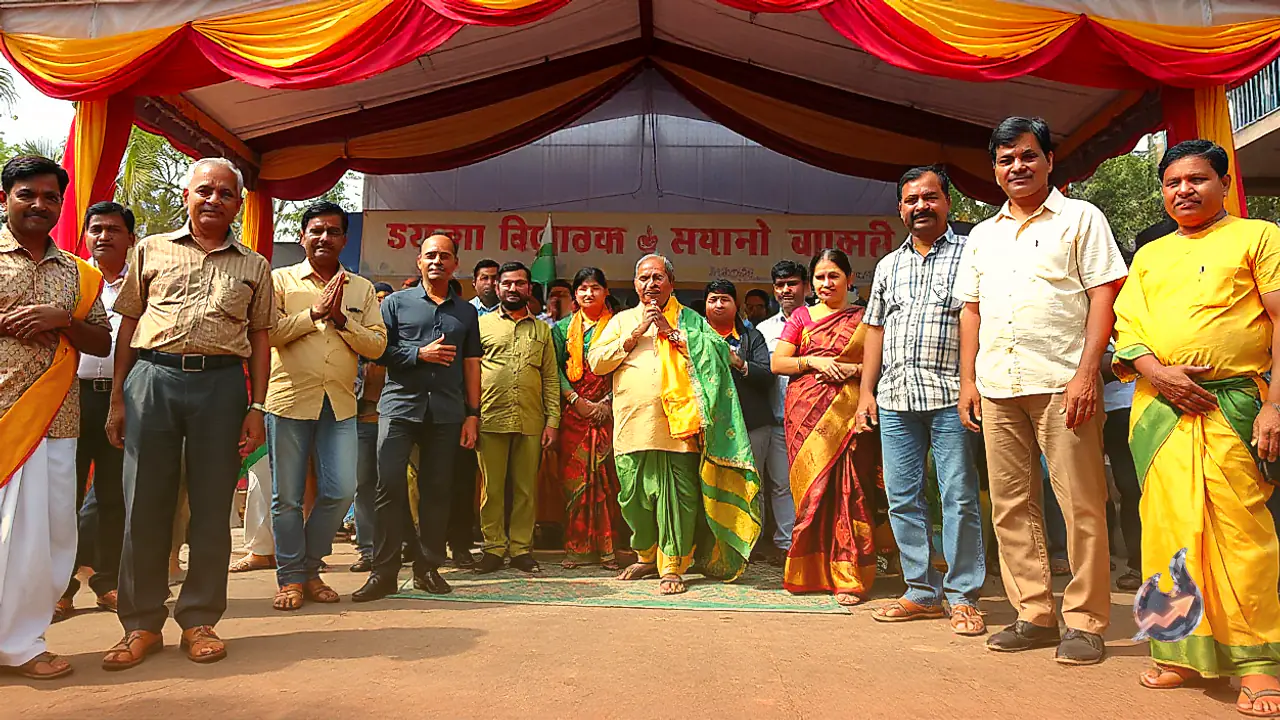






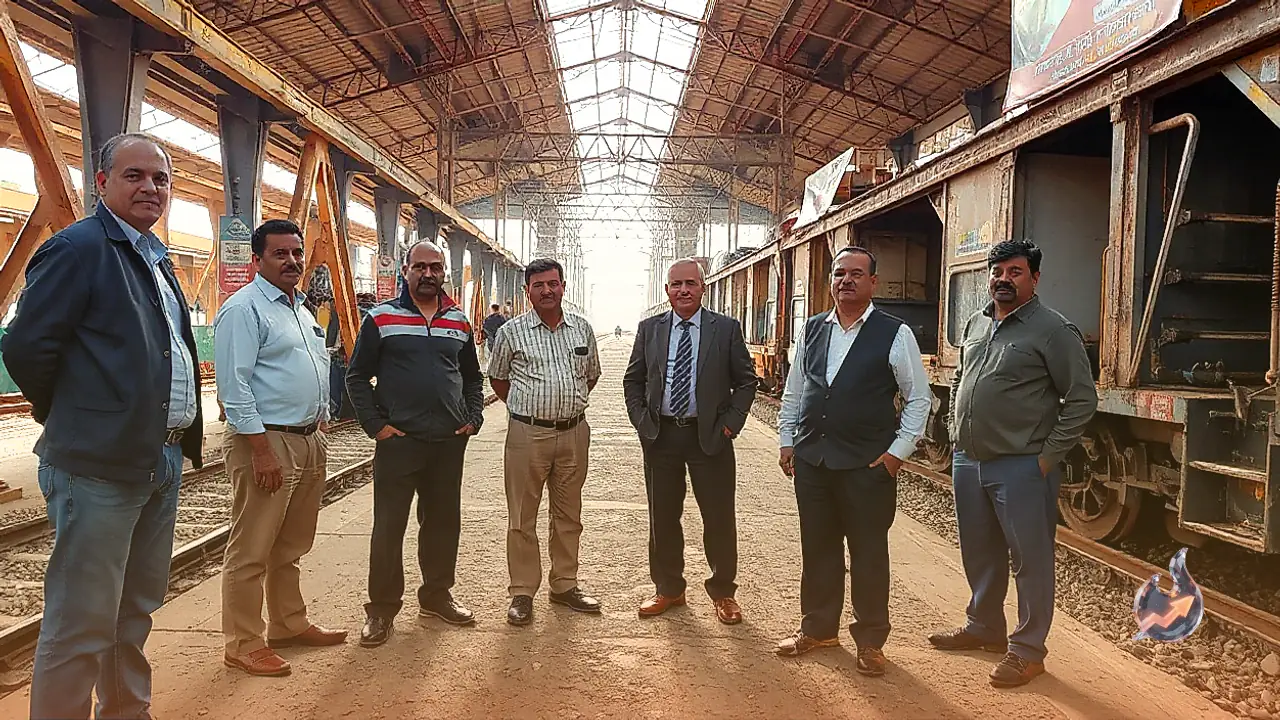














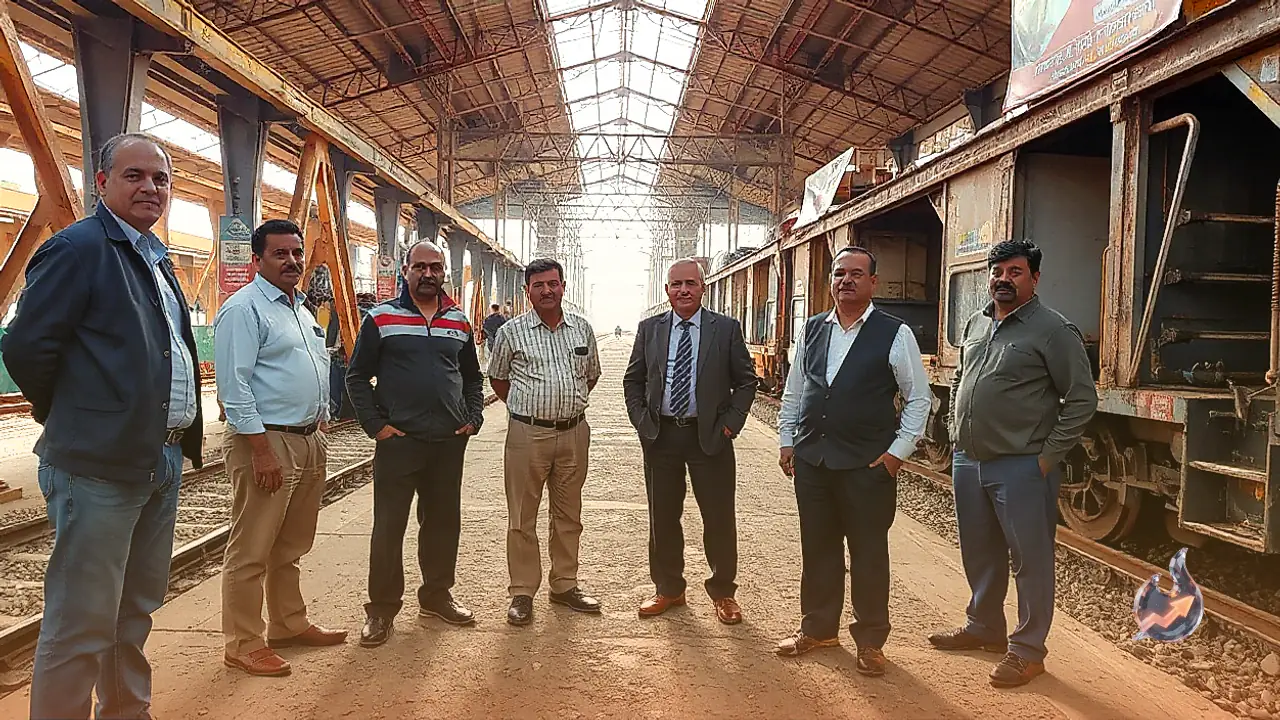

A coordinated drive to streamline cargo movement and strengthen commercial supply networks across the Jammu region has been initiated through inter-departmental deliberations. Senior officials representing the Directorate of Industries and Commerce, Jammu, alongside authorities from Northern Railway's Jammu Division convened an extensive coordination meeting on Saturday. The core objective of the engagement was to formulate an integrated logistics and supply chain framework tailored to local commercial realities, focusing sharply on resolving persistent freight hurdles encountered by manufacturing facilities and merchant traders.
Expanding Rail Connectivity for Industrial Establishments
The structured session created a shared deliberative platform featuring administrative officers, railway policy planners, and active industry representatives to identify actionable measures for regional freight operations. Participants examined how current logistics bottlenecks and operational gaps directly constrain the performance of industrial clusters and trading enterprises throughout Jammu. Improving direct rail transit options, optimizing cargo movement schedules, and easing outbound product dispatches were highlighted as essential remedies to support sustained regional economic expansion.
Aligning Regional Plans with the National Logistics Policy
The strategic directions reviewed during the conference were structured to advance the foundational goals of the National Logistics Policy (NLP). This national policy framework concentrates on bringing down broad logistics expenditure, enhancing operational efficiency across supply lines, and expanding multimodal transportation choices. Discussions centered on adapting these broad directives to Jammu's industrial environment, ensuring that heightened commercial competitiveness across the nation translates directly into tangible benefits for local enterprises and fabricators.
Infrastructure Modernization under PM GatiShakti
Both operational bodies formulated distinct infrastructural blueprints, projecting the creation of dedicated industrial sidings and modernized cargo terminals to handle anticipated volume increases. Advanced within the parameters of the PM GatiShakti National Master Plan, these developments are aimed at delivering smooth last-mile transport connectivity to prime manufacturing hubs. Alongside structural additions, authorities highlighted the rollout of paperless digital tracking mechanisms to offer transparent, real-time freight monitoring for consignees throughout transit.
Sustained Coordination with Local Manufacturing Units
A central outcome of the proceedings was formalizing continuous institutional coordination between the Directorate of Industries and Commerce and Indian Railways. By embedding local manufacturing establishments directly into this collaborative matrix, the initiative aims to keep transport systems synchronized with growing industrial output. Building dependable, modernized transit infrastructure ensures regional enterprises can reliably reach external commercial hubs while maintaining predictable supply schedules.