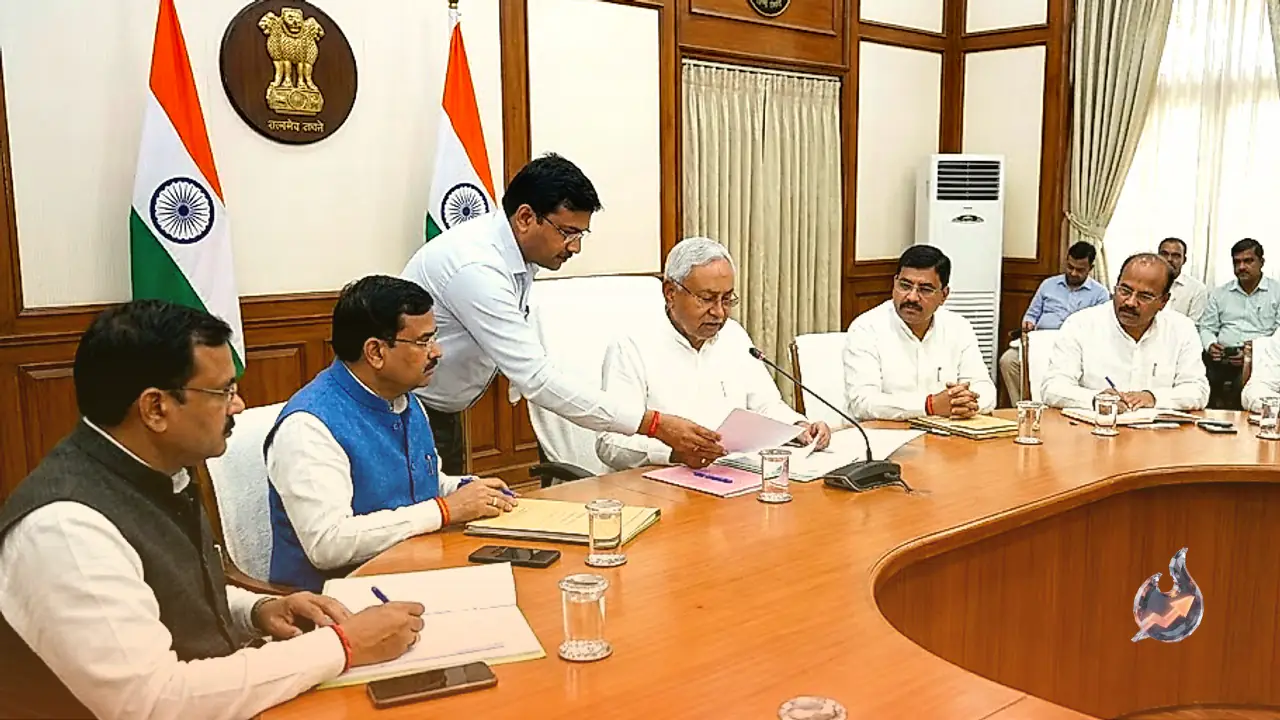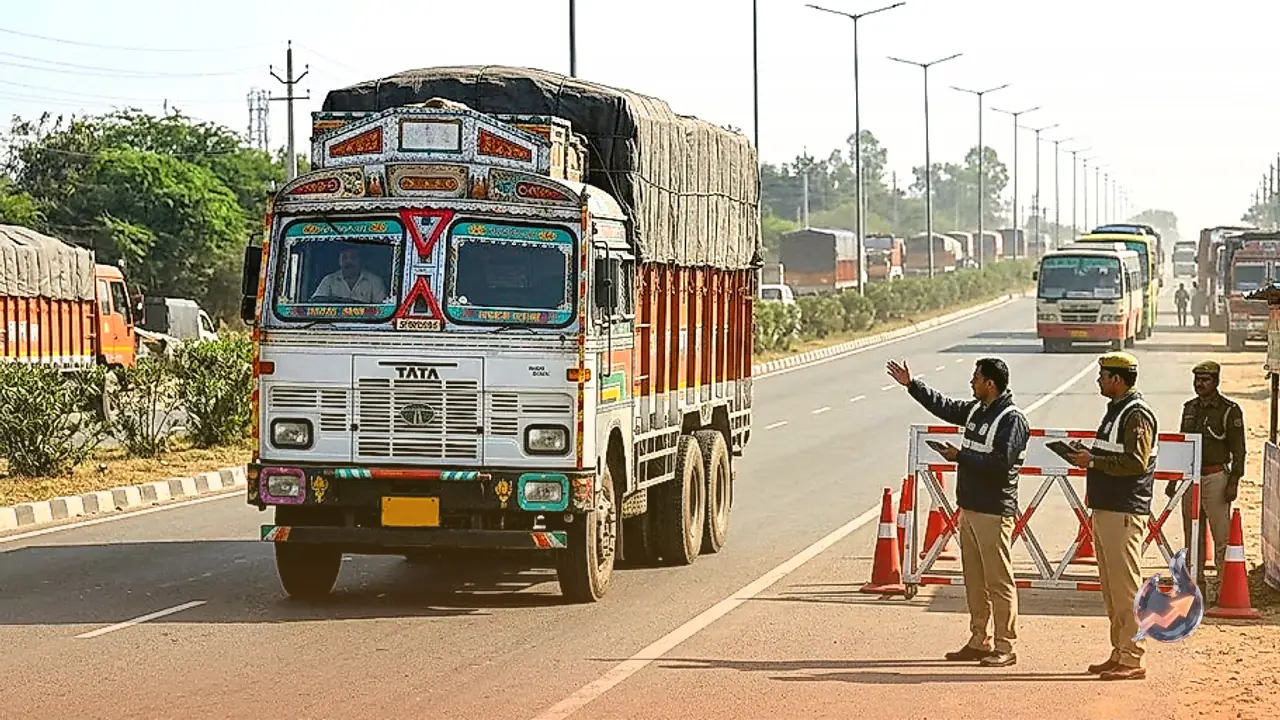

India's digital connectivity has undergone a massive transformation over the past decade. There was a time when placing voice calls and browsing the internet on a mobile device required consumers to spend substantial sums of money on separate voice packs and limited data allowances. This reality shifted fundamentally in 2016 when Mukesh Ambani led Reliance Jio entered the domestic telecom sector. By introducing complimentary voice calling alongside low cost mobile data, the company triggered a major shift that permanently altered how hundreds of millions of Indians interact with their smartphones. Having crossed the 100 million user threshold in a record 170 days, the company's growth story is once again commanding attention as speculation mounts around its anticipated public listing.
Disrupting the Telecom Market Through Free Calls and Affordable Data
Before Jio launched commercial operations, consumers in India had to pay separate charges for talk time and cellular data plans, which made regular mobile usage quite costly for the wider public. The new operator disrupted this tariff structure by bundling free voice calls directly with generous allowances of low cost internet. This strategic rollout spurred an unprecedented surge in mobile broadband usage across the country, while exerting heavy competitive pressure on rival telecom operators to slash tariffs and redesign their subscription models. The primary vision extended beyond simply acquiring market share; it sought to bring modern communication infrastructure within reach of everyday citizens. Inexpensive data made everyday video streaming, remote education, and digital utility services readily accessible to the broader population.
Adding 100 Million Subscribers in Just 170 Days
The sheer pace of the company's initial subscriber acquisition remains one of the fastest expansions ever recorded in the global telecom industry. In merely 170 days following its commercial debut, the carrier enrolled 100 million customers across the country. This rapid adoption marked a decisive turning point for India's digital economy. The massive influx of new smartphone users rapidly elevated India into the ranks of the world's leading consumers of mobile broadband data. Where high internet expenses had historically locked out large sections of the population, affordable connectivity cleared a path for first time internet users to participate in the online economy.
Expanding High Speed Infrastructure into Remote and Rural Belts
Rather than confining high speed network towers exclusively to tier one metropolitan cities and commercial hubs, infrastructural rollout was prioritized across rural and geographically isolated belts. Connectivity was taken deep into mountainous terrains, dense forests, and tribal habitations across India. In these underserved regions, access to a mobile network evolved into an essential lifeline rather than a mere source of entertainment. Connectivity enabled residents to stay in immediate touch with distant family members, reach emergency healthcare services through virtual channels, and access government portals and digital financial platforms for the first time.
Acting as a Critical Lifeline During the Coronavirus Pandemic
The indispensability of resilient cellular internet became starkly evident in 2020 during the coronavirus pandemic and accompanying national lockdowns. With academic institutions shuttered to curb infections, classrooms transitioned entirely to online conferencing. Corporate enterprises adopted work from home arrangements on an unprecedented scale, while patients turned to digital teleconsultations to seek medical guidance without visiting physical clinics. Throughout this prolonged disruption, mobile networks sustained social connections and kept the workforce functioning. Services provided by telecom companies proved to be a foundational pillar in keeping education, commerce, and communication active during nationwide confinement.
Renewed Market Focus as Public Listing Speculation Mounts
The trajectory that started with low cost data and free voice calls has now brought the telecom giant to the threshold of a landmark market debut. Over the years, the business has grown from a pure communication provider into a comprehensive digital infrastructure operator. The prospect of company shares becoming publicly available to retail and institutional investors through an initial public offering has naturally drawn keen interest across financial markets. The evolution of this network illustrates how aggressive infrastructure investment, accessible pricing, and surging digital demand combined to reshape the telecom landscape of the country.