
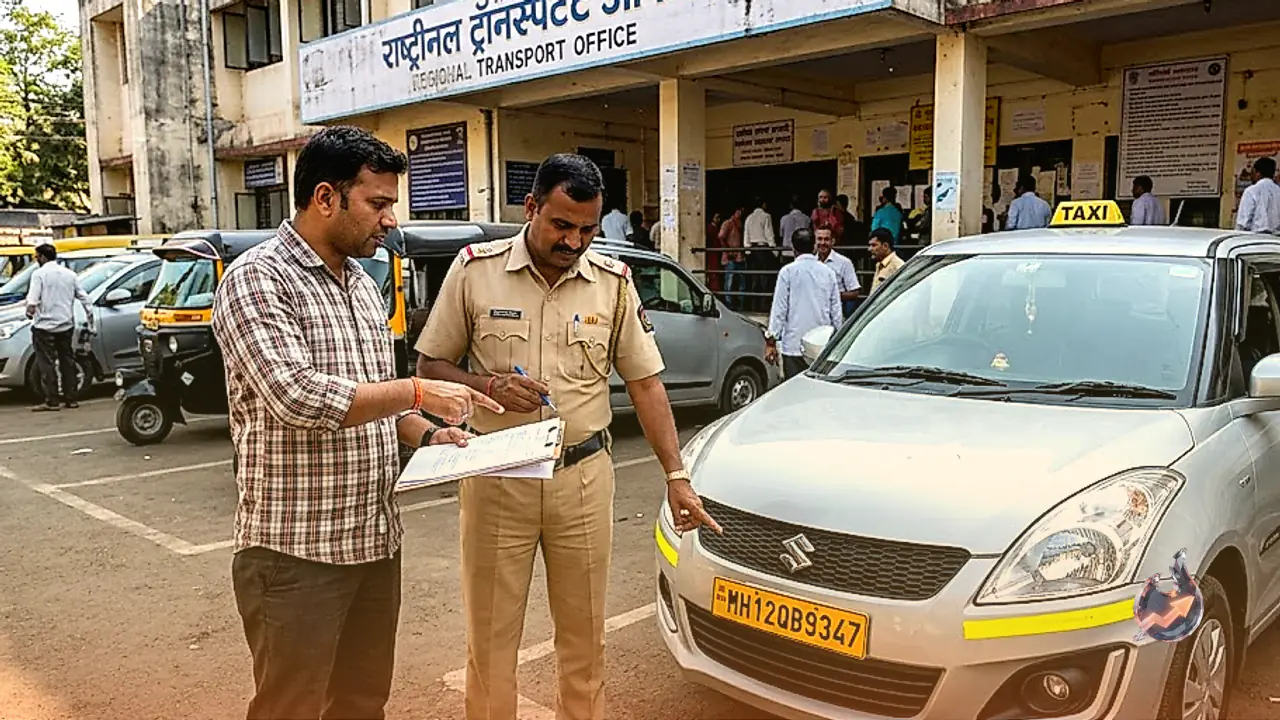


















Vehicle owners with personal cars standing unused in driveways or garages can transform those idle assets into consistent monthly revenue streams. Across urban and regional markets, cab aggregator platforms such as Ola and Uber, along with corporate fleet leases, local taxi operators, and tour and travel agencies, maintain steady demand for commercial vehicles. Operating within these networks offers car owners an opportunity to generate daily earnings between 2,000 and 3,000 rupees. However, pressing an ordinary personal vehicle directly into commercial service without changing its regulatory status violates the Motor Vehicles Act.
Deploying a private vehicle for paid commercial passenger transport exposes the owner to severe monetary penalties as well as legal vehicle impoundment. Before entering any commercial operation, owners are required by law to transition the car registration from private status to commercial classification, marked by yellow number plates. While this shift involves formal administrative steps, understanding the procedure and required paperwork makes the transition straightforward.
Why Private to Commercial Conversion Is Legally Mandatory
Under the provisions of the Motor Vehicles Act, white number plates are reserved exclusively for personal and domestic travel. The moment a driver accepts fares from passengers or transports commercial goods, the trip falls under commercial regulation. Once categorized as a commercial carrier, the vehicle must display standard yellow number plates.
Furthermore, commercial automobiles operate under an entirely different regulatory regime governing road taxation brackets, periodic mechanical fitness evaluations, operational permits, and specialized insurance coverages. Completing this formal re-registration through the regional transport office eliminates risks of enforcement seizures and allows owners to operate freely as independent taxis or through travel agency tie-ups.
Documents Required Before Applying
Prior to submitting an application at the transport office, vehicle owners must assemble original documents along with self-attested photocopies
- Registration Certificate: The original vehicle RC book or smart card.
- RTO Transfer Forms: Relevant regulatory paperwork including Form 22 and Form 29/30 where applicable.
- Commercial Insurance Policy: Standard private third-party or comprehensive insurance does not protect commercial passenger usage, necessitating a dedicated commercial vehicle insurance policy.
- Pollution Under Control Certificate: A valid PUCC document.
- Financier No Objection Certificate: A formal NOC issued by the lender or financing company if the car is currently under an active auto loan.
- Identity and Address Proof: Authentic copies of Aadhaar, PAN card, voter identification, or passport.
- Driving Credentials: A valid commercial driving license or commercial driver badge as mandated by regional regulations.
Step-by-Step Procedure to Convert a Car to Commercial Status
Converting a personal car into an authorized commercial taxi involves five systematic stages
1. Securing an NOC from the Lending Bank
If an outstanding balance remains on the vehicle loan, the owner must first visit the financing branch to request commercial alteration approval. Upon verifying loan terms, the bank issues a formal No Objection Certificate addressed to the relevant transport office. Owners who hold unencumbered titles can bypass this step.
2. Purchasing Commercial Insurance Coverage
Private vehicle insurance does not cover commercial liability or passenger risks. Owners must contact their current insurer or an authorized vehicle insurance provider to either endorse the existing policy for commercial conversion or purchase a fresh commercial vehicle policy.
3. RTO Application and Road Tax Adjustments
Applicants must access the official Parivahan Sewa portal or visit the local transport office counter to complete the vehicle alteration filing. Private cars pay a lump-sum lifetime road tax covering 15 years, whereas commercial vehicles pay tax on a quarterly or annual structure. Transport authorities adjust or refund the unexpired portion of the lifetime tax according to state-specific taxation schedules.
4. Physical Vehicle Inspection
The vehicle must be presented at the jurisdictional transport office for physical examination by a motor vehicle inspector. Under commercial norms across multiple states, the car must be fitted with certified speed limiters (speed governors), rear parking sensors, high-security registration plates (HSRP), vehicle location tracking devices (VLTD/GPS), and emergency panic buttons.
5. Fitness Certificate, Operating Permit, and Yellow Plates
Once the technical inspection is cleared, authorities issue an official fitness certificate. The owner then applies for the appropriate local, state, or All India Tourist Permit (AITP) depending on the planned operating territory. Following final approvals, the transport authority issues an updated registration certificate displaying the commercial or taxi classification, after which an authorized vendor installs the mandated yellow HSRP plates.