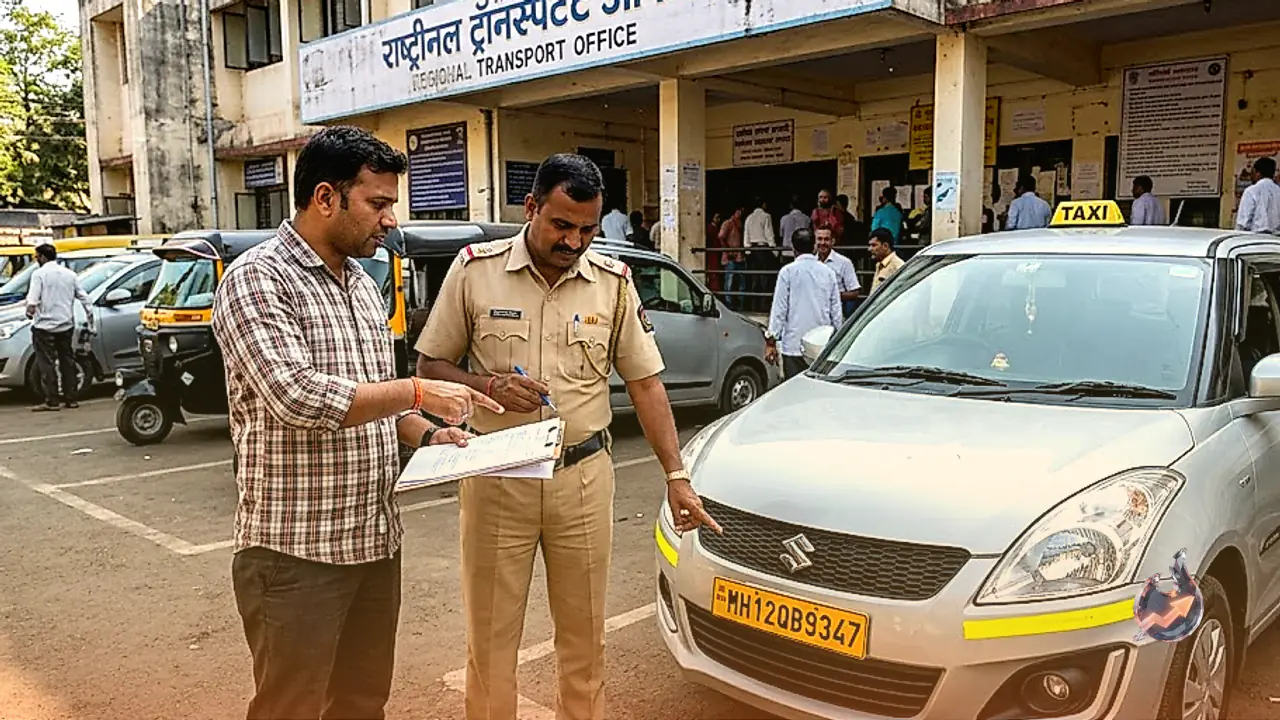















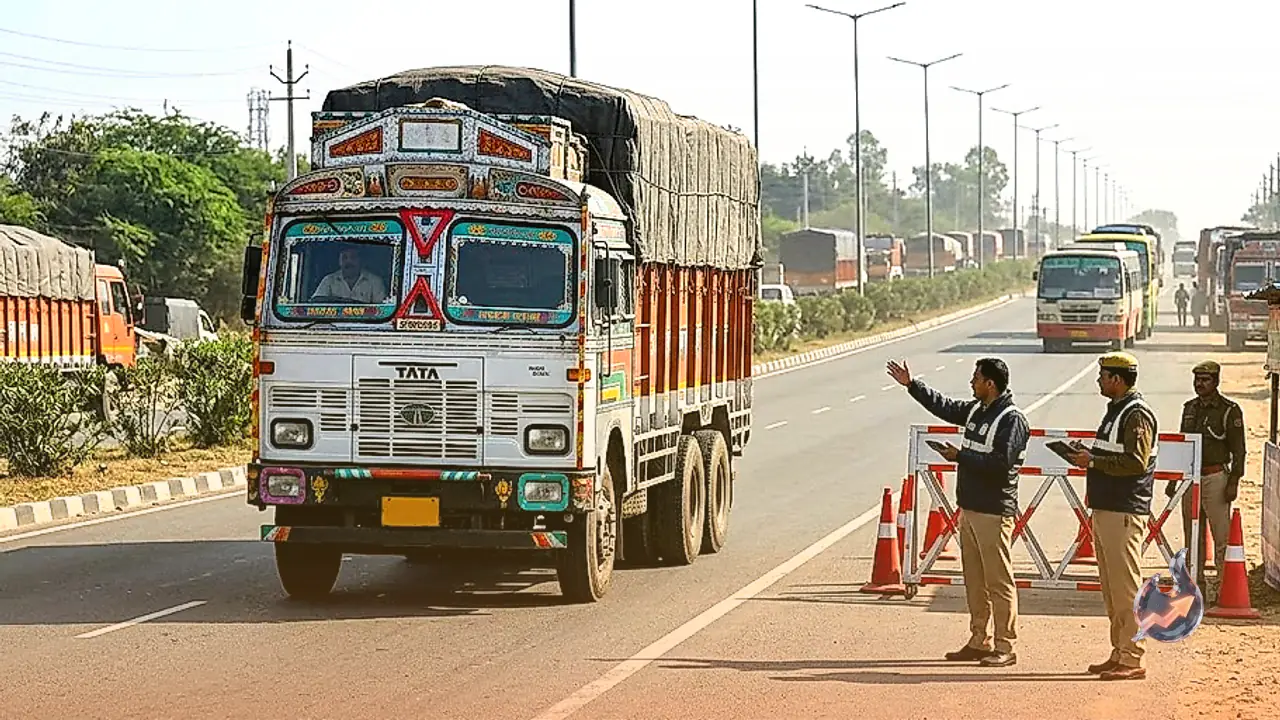

Logistics operators and traders moving commercial cargo across state borders are slated to receive significant regulatory relief from frequent transit stops. Under a revised regulatory framework, goods and services tax authorities will no longer be permitted to randomly stop and inspect commercial transport vehicles passing through intermediate states. The primary authority to examine goods in transit will now be limited exclusively to the state where the consignment originates and the state where it is scheduled for delivery, curbing arbitrary enforcement actions along freight corridors.
Approval Granted During 57th GST Council Meeting
This policy overhaul received formal clearance during the 57th meeting of the GST Council held on October 8. Under the approved framework, interception and physical verification powers will be restricted to tax officials belonging to the dispatching and receiving states. Authorities in transit states through which the carrier merely travels will generally not be empowered to halt vehicles for routine verifications. These provisions are slated to take operational effect once the formal statutory notifications are officially published.
Joint Commissioner Authorization Mandatory for Interceptions
Under the updated compliance structure, field officials cannot intercept a cargo carrier merely on vague suspicion or routine patrol checks. Tax enforcement teams will be required to possess verified intelligence or concrete actionable inputs before initiating any inspection. Furthermore, field personnel must secure prior formal approval from an officer holding the rank of Joint Commissioner or higher before stopping any vehicle on the road. This procedural check is designed to curb arbitrary harassment of commercial entities and mandate that officials record clear legal grounds before detaining consignments.
E-Way Bill Compliance and Documentation Requirements Remain Intact
The restructuring of inspection jurisdiction does not waive any existing documentation requirements governing the transport of commercial consignments. In accordance with established rules, generating an e-way bill remains mandatory for consignments valued at Rs 50,000 or above, subject to prescribed statutory exemptions. This requirement continues to govern both interstate and intrastate transportation. Even after the new norms take effect, tax authorities will verify e-way bills and accompanying records through automated digital tracking, meaning businesses must maintain complete and accurate transit paperwork.
Operational Relief and Supply Chain Efficiency for Transporters
At present, tax teams in any intervening state can halt passing carriers and demand physical verification of invoices, which frequently leads to delivery delays and operational friction for logistics firms. The newly approved protocol provides a legal safeguard against such interruptions. For instance, if a transport vehicle carrying goods from Delhi to Punjab is flagged down within Haryana, the legitimacy of that interception can be directly challenged unless specific prior authorization and intelligence exist. The shift is expected to reduce unnecessary delays, lower transit friction, and ensure smoother movement of goods across national highways.