





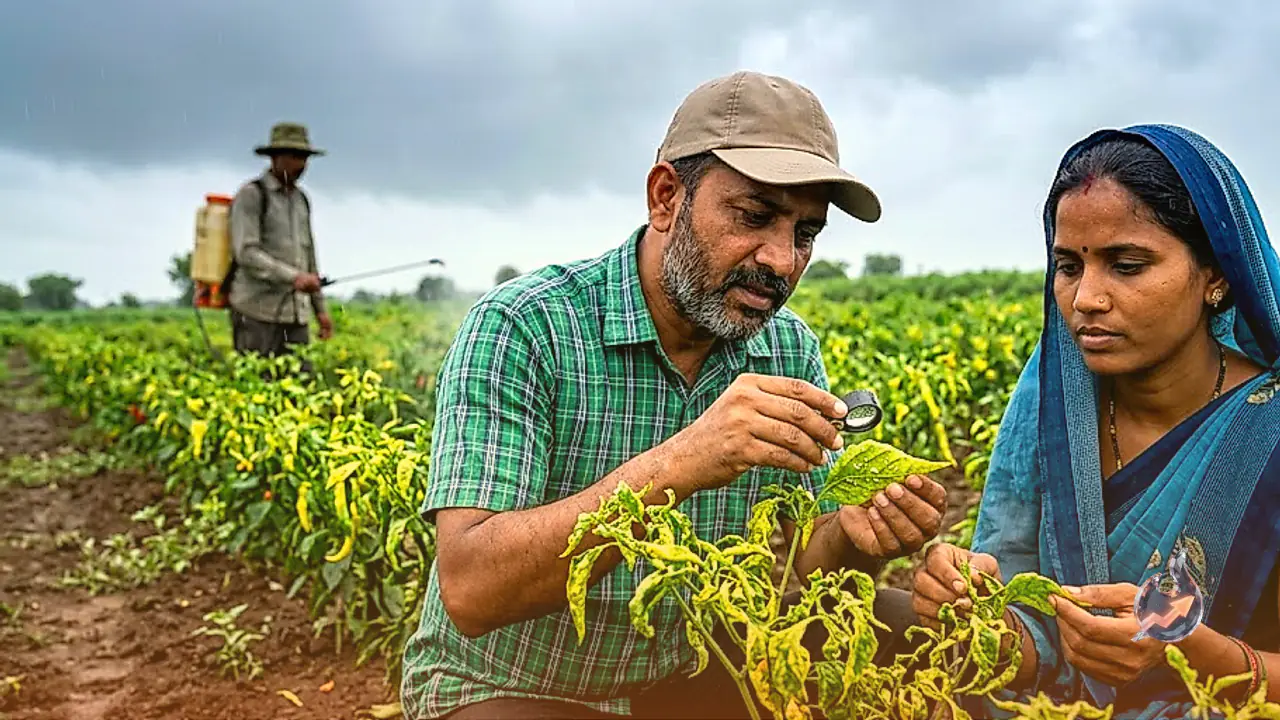

















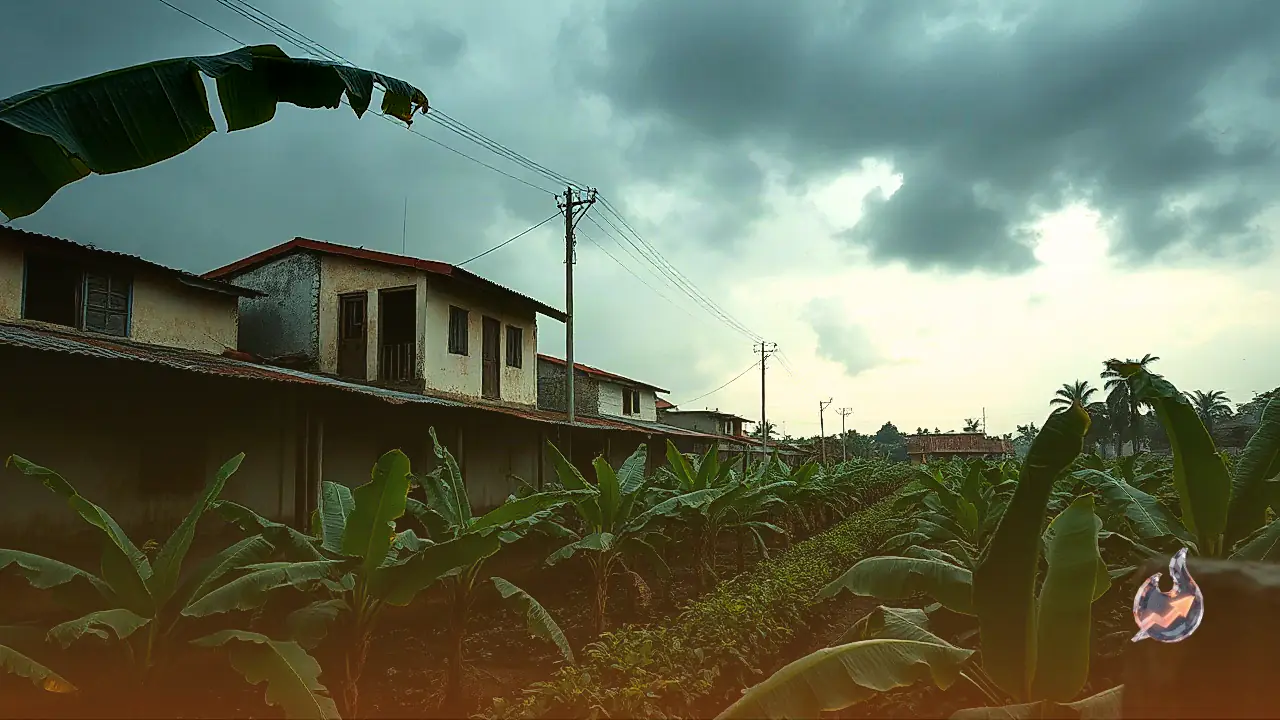

While monsoon showers provide much-needed moisture for various Kharif crops, they create immense challenges and risks for banana plantations. Continuous downpours and waterlogging in fields invite numerous diseases and insect threats during this season. Farmers often encounter issues such as spotting on leaves, weakening of stems, and rotting of roots. Furthermore, stem borers and other destructive pests damage plants from within, directly impacting overall production yields.
Understanding Sigatoka Disease and Symptoms
Rishi Kumar Chaurasia, an agricultural protection specialist at the Rajkiya Krishi Kendra Shivgarh in Raebareli district, explains that the rainy season is particularly difficult for banana cultivation. During this period, the risk of Sigatoka or leaf spot disease increases significantly on banana leaves. Initially, small yellow or brown spots appear on the foliage, which eventually spread and dry out the entire leaf. In severe cases of the infection, the photosynthetic capacity of the plant is impaired, which directly stunts fruit development. Trimming away infected leaves, destroying them outside the field, and applying recommended fungicides upon initial symptoms are highly effective measures.
Combating Stem Borer Infestations
Farmers must also monitor for stem-boring insects during the wet season. The larvae of these pests tunnel inside the pseudostem and hollow out the plant from the inside. Key signs of this attack include tiny holes on the stem, leaking sap or dark residue, and sudden wilting of the plant. If the infestation turns heavy, the weakened plant can easily snap and topple over.
Proper Field Hygiene and Drainage Management
Maintaining cleanliness in the orchard is vital. Do not allow dry leaves and infected plant residues to pile up around the field. Promptly remove heavily affected plants and dispose of them properly. Utilizing traps made from stem segments can also help monitor and control adult pest populations. Above all, preventing water accumulation in the field is the single most critical task during the rainy season. Prolonged waterlogging accelerates root problems and escalates the danger of devastating diseases like Fusarium wilt. Therefore, dig proper drainage channels to drain out excess water quickly and keep the surroundings free from weeds and decaying foliage.