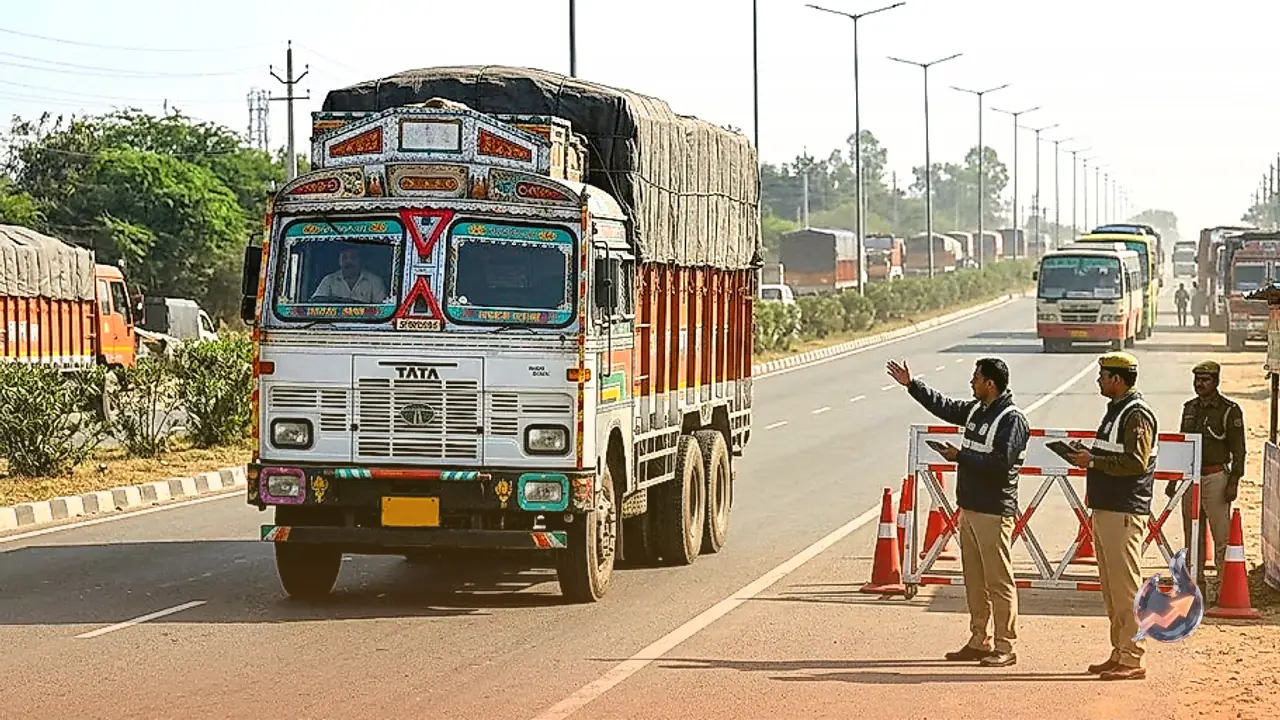
















While multiple major global economies continue to struggle under escalating crude oil prices and worldwide trade volatility, the Indian economy continues to exhibit remarkable resilience. In its latest economic evaluation, the International Monetary Fund (IMF) raised its growth forecast, projecting that real gross domestic product (GDP) will expand at 7 percent in both 2026 and 2027. Steady domestic consumer consumption and vibrant performance across the services domain remain the fundamental catalysts driving this upward revision.
Substantial Upward Revision Across Multiple Forecast Periods
In the October 2026 edition of its World Economic Outlook report, the multilateral institution increased its 2026 economic expansion estimate from the 6.4 percent projected in July to a robust 7 percent. This represents a direct upward revision of 0.6 percentage points within a single quarter. When compared against the baseline calculations published in April, the current projection stands 0.5 percentage points higher.
The outlook for 2027 experienced an identical positive adjustment, with projected GDP growth settling at 7 percent as well. This marks an improvement of 0.3 percentage points compared with the July assessment and a gain of 0.5 percentage points relative to the April forecast. According to the institution, sustained consumer spending power inside the domestic marketplace is providing adequate cushion against higher international crude energy costs.
Core Drivers Anchoring Economic Stability
The assessment details several fundamental domestic factors that continue to reinforce macroeconomic stability and long-term momentum
- Vibrant Domestic Consumption: Strong consumer demand across urban and rural markets provides steady foundation for industrial and retail activity.
- Services Sector Expansion: Rapid development in professional services, finance, information technology, and logistics continues to anchor aggregate output.
- Demographic Advantage: A sizable, young, and working-age population expands workforce productivity while boosting overall discretionary spending over the long haul.
- Sustained Structural Reforms: Ongoing policy overhauls and business facilitation measures are steadily boosting aggregate potential growth capacity.
Owing to these structural advantages, the nation stands out among key emerging economies whose economic trajectories have received decisive upward reassessments from multilateral monitors.
Domestic Growth Sharply Outpaces Broader Global Trajectory
The domestic economic picture presents a stark contrast to broader international trends, which reflect deceleration. The institution estimates worldwide growth at 3.1 percent in 2026, inching slightly higher to 3.4 percent in 2027. For China, GDP expansion is anticipated to moderate down to 4.5 percent in 2026 and further decelerate to 4 percent in 2027.
Similarly, the broader grouping of emerging and developing Asian markets is projected to see collective economic momentum decelerate. After expanding by 5.6 percent in 2025, regional growth is forecast to drop to 5.1 percent in 2026 and moderate further to 4.9 percent in 2027. In this cooling regional and global climate, maintaining an annual pace of 7 percent establishes the country as a major engine of global growth.
Headwinds from Expensive Energy Imports and Global Volatility
Despite optimistic growth figures, persistent macroeconomic vulnerabilities remain. Costly international petroleum imports constitute the single biggest external vulnerability for the country. Prolonged elevation in energy costs risks widening import payments, putting downward pressure on the currency and feeding into domestic consumer inflation. Concurrently, lingering geopolitical disruptions could temper external merchandise demand, posing headwinds to broader cross-border trade.